The following is from a work-in-progress about the history of Fullerton. You can support my ongoing research and writing on Patreon.
Lately I’ve been writing a series of posts on the history of Fullerton Union High School. As part of this research, I’ve been looking through the digital archives of the annual FUHS yearbook, called Pleiades, which are available on the Fullerton Public Library web site. Although the high school began in 1893, the first yearbook in the Library’s digital archives is from 1909, and the archives are incomplete.
Looking through these old yearbooks is a window into the styles and attitudes of the past. I previously posted snapshots from the Pleiades from the years 1909-1920.
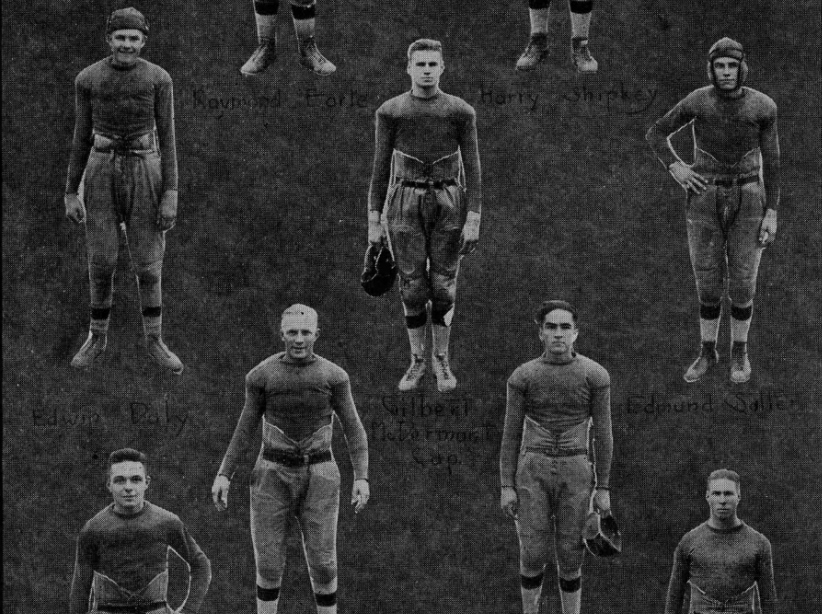
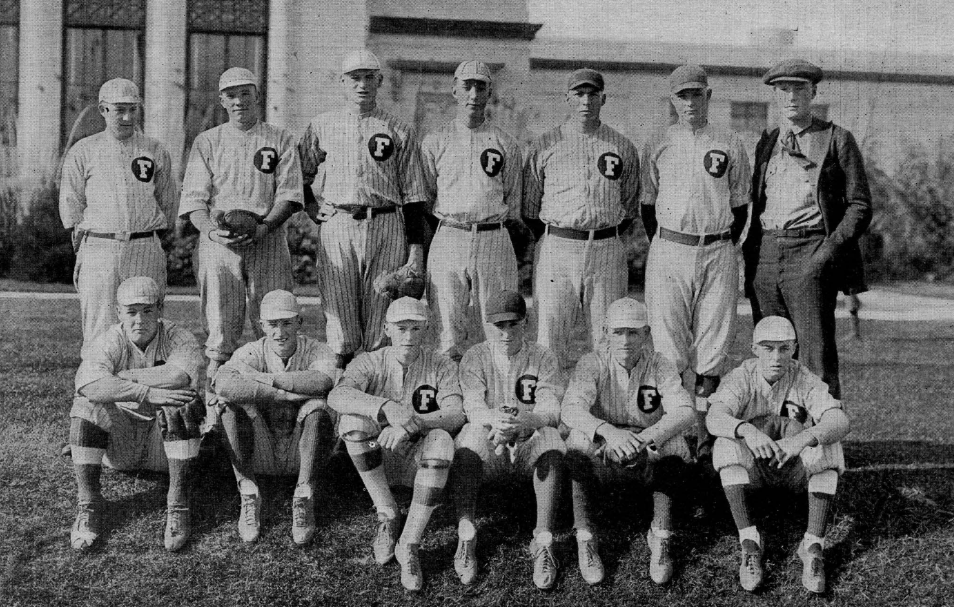
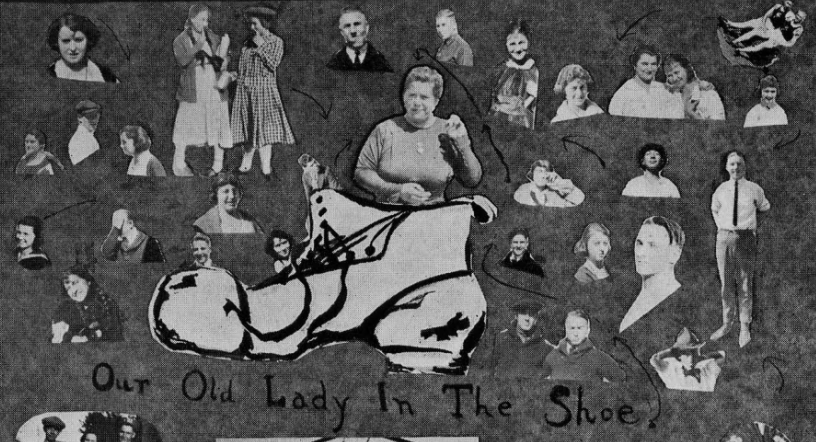
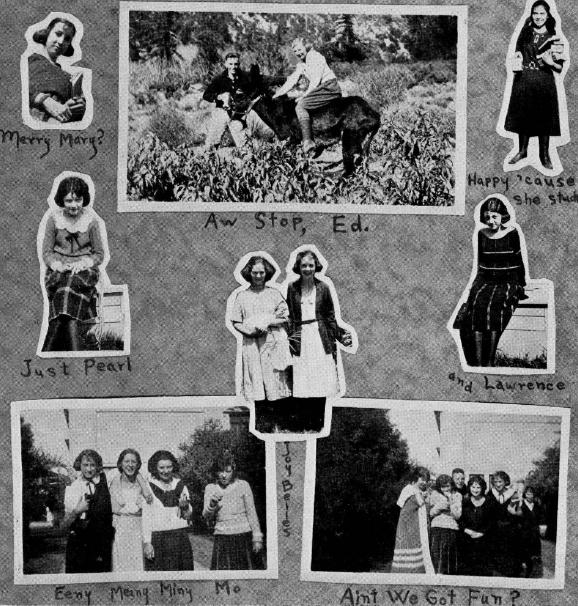
Here I continue with snapshots from 1921-1930.
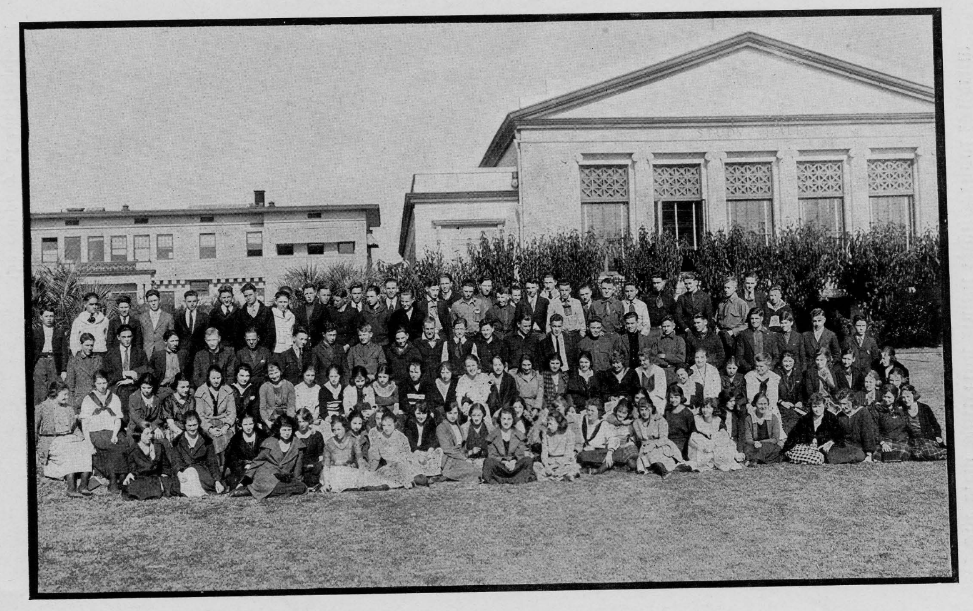
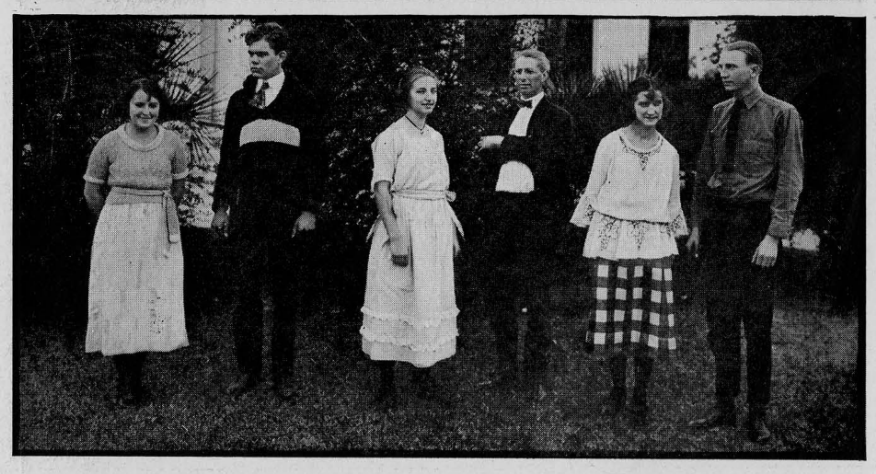
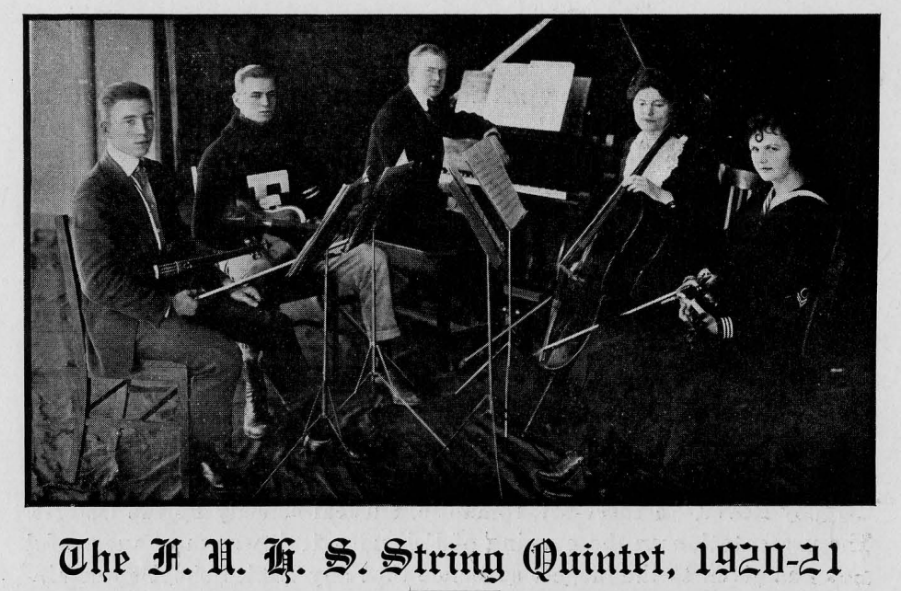
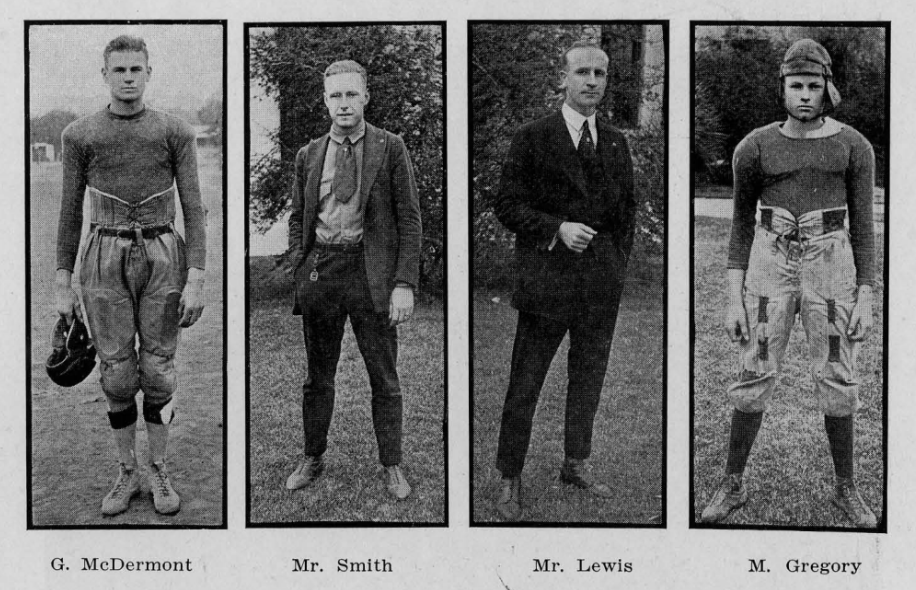
1921



1922





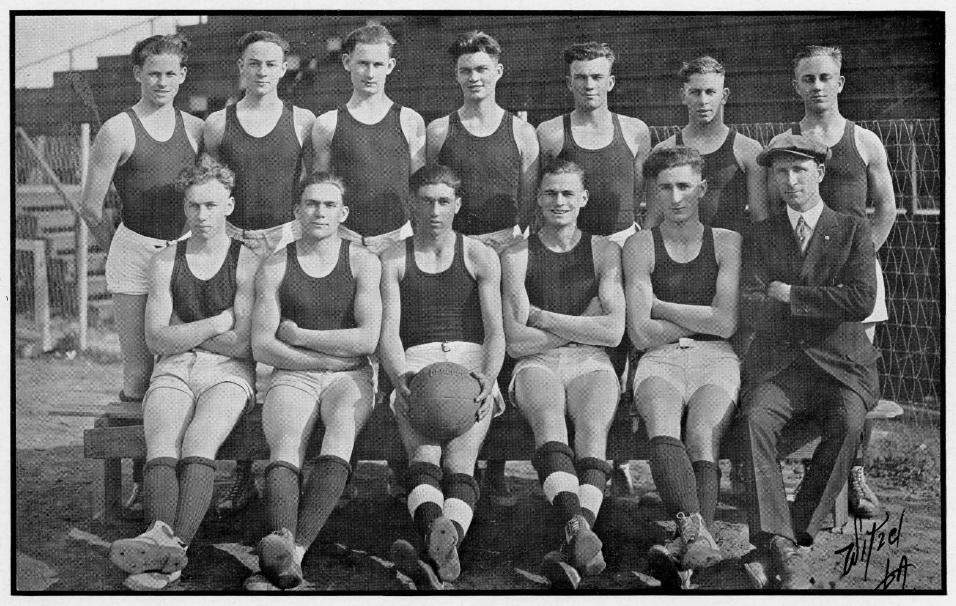
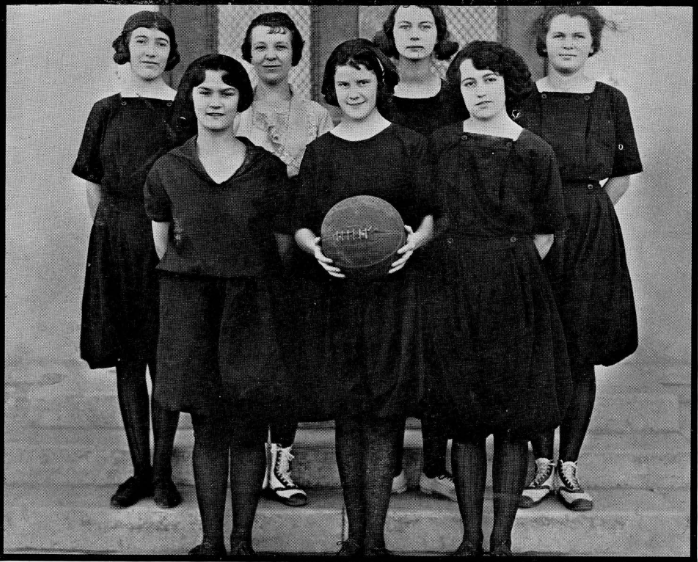
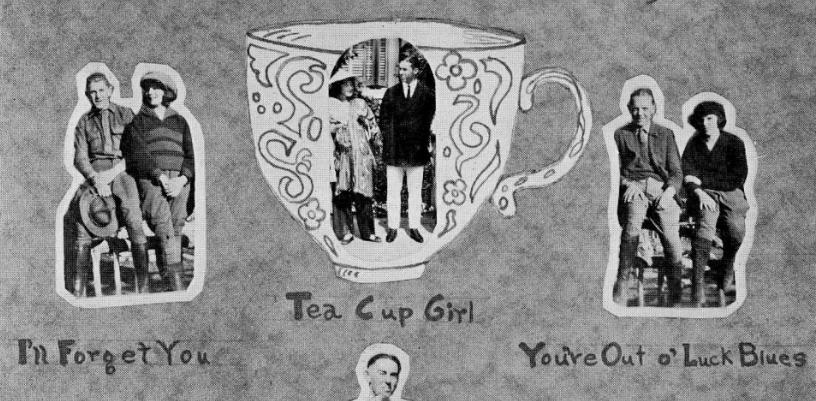
1923
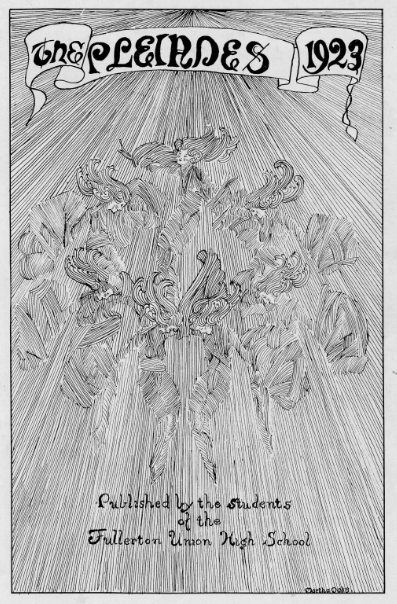


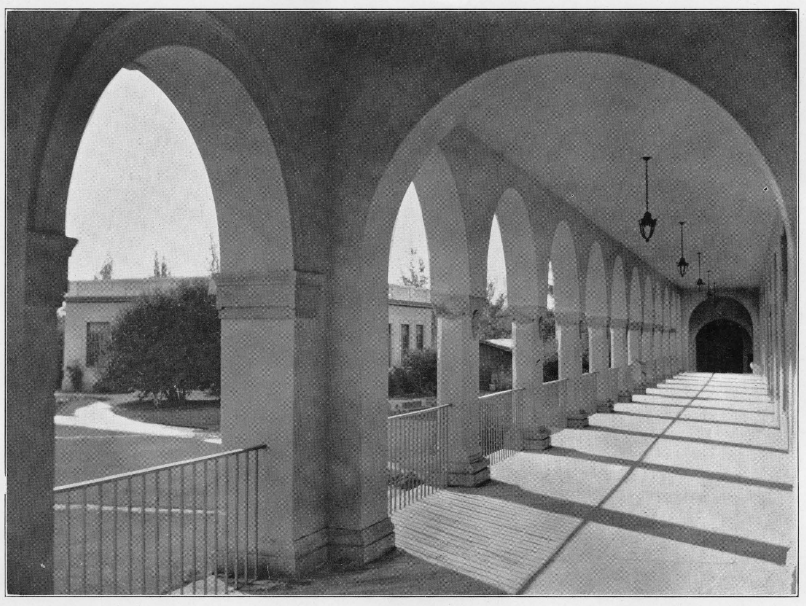

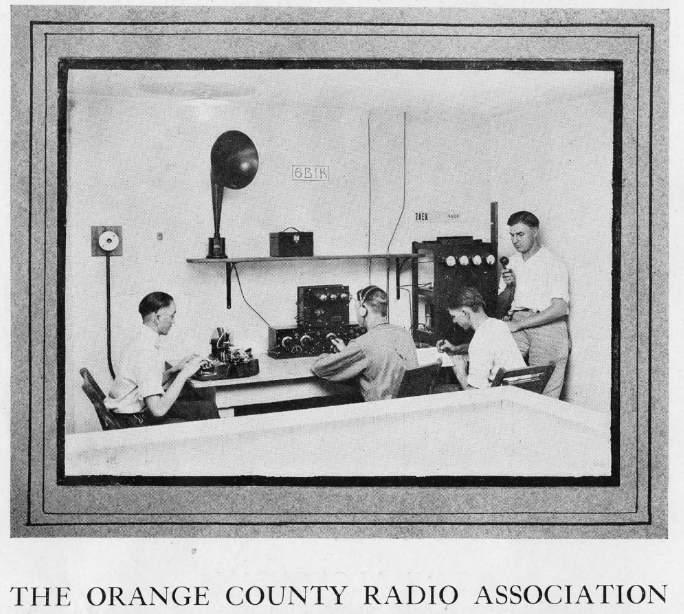

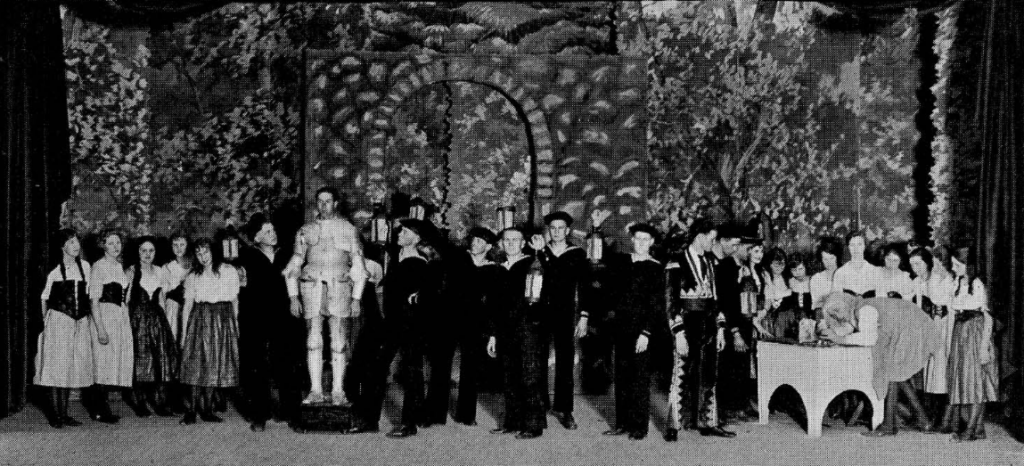
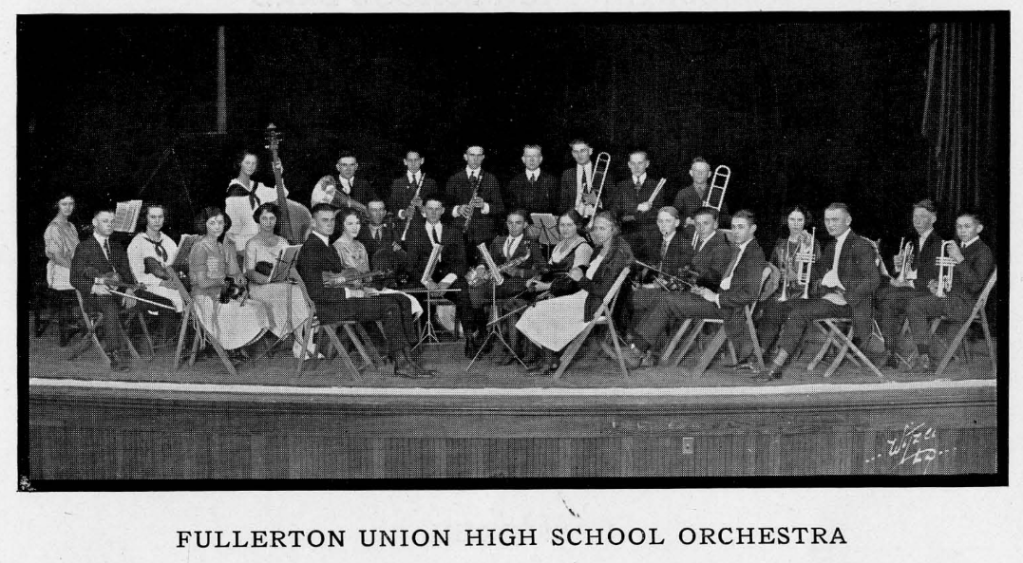
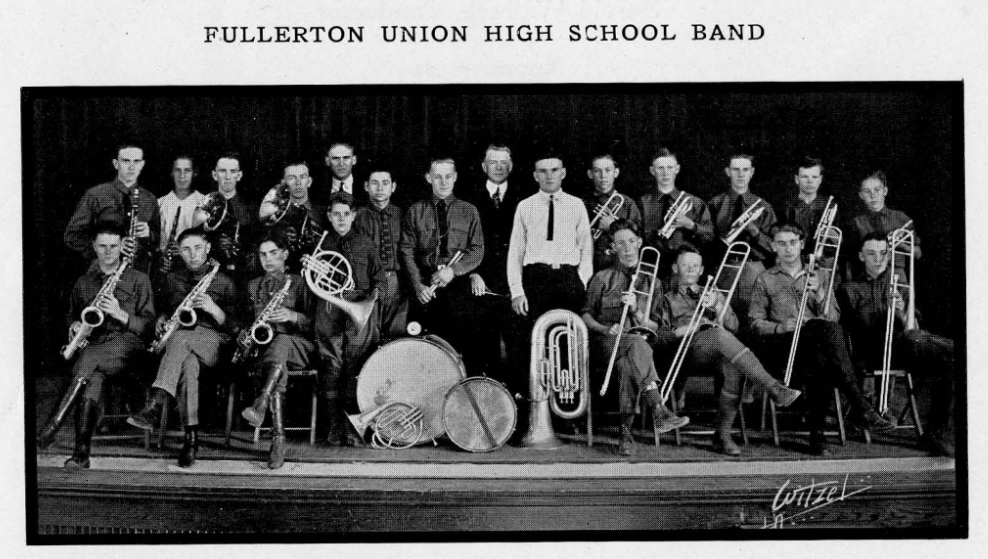
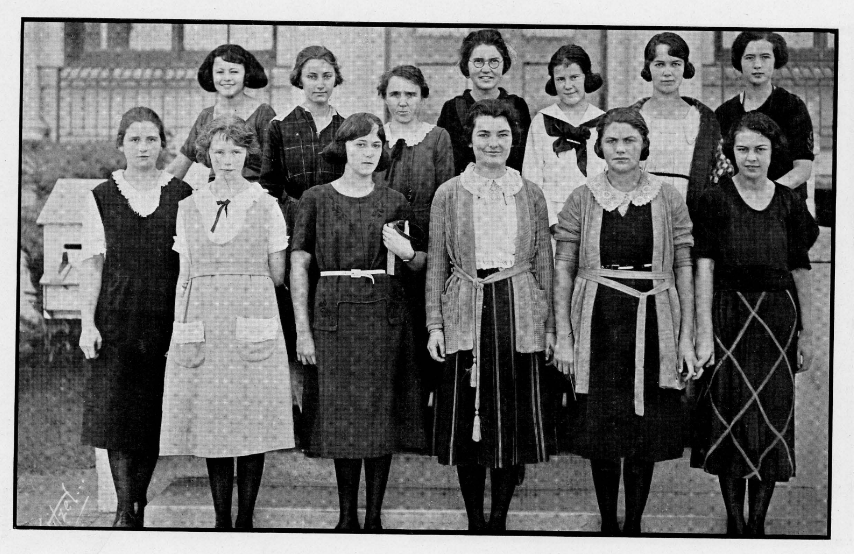
Classes and programs sometimes reinforced culture-bound gender roles.


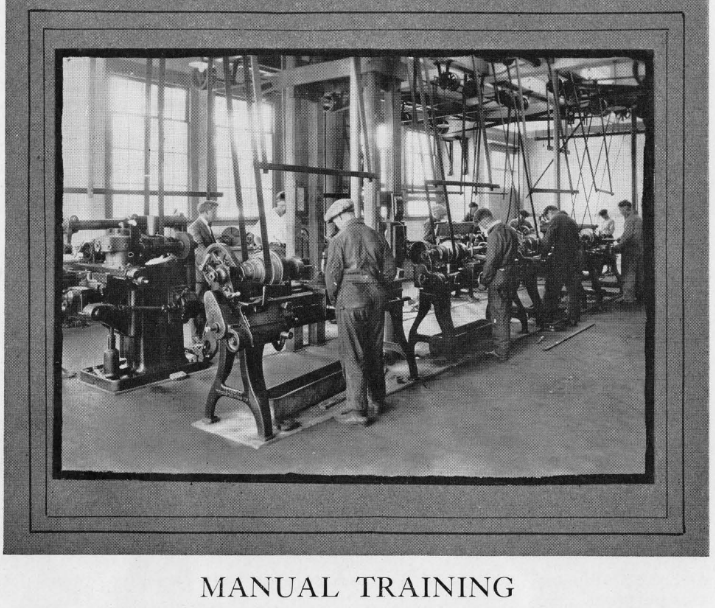
But not always.

This being the 1920s, racism was a fairly pervasive aspect of American society, as shown by this photo of a white student in blackface, reinforcing the harmful stereotype of a “mammy.”

And this photo of a student dressed as “The Jew” on an otherwise seemingly ordinary collage page.

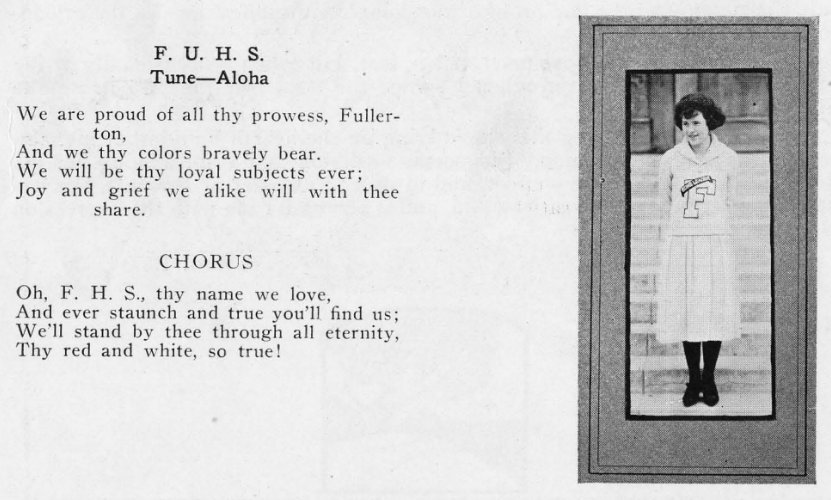
Student Betty Frazee wrote the school song, to be sung to the tune of “Aloha” (however that goes):
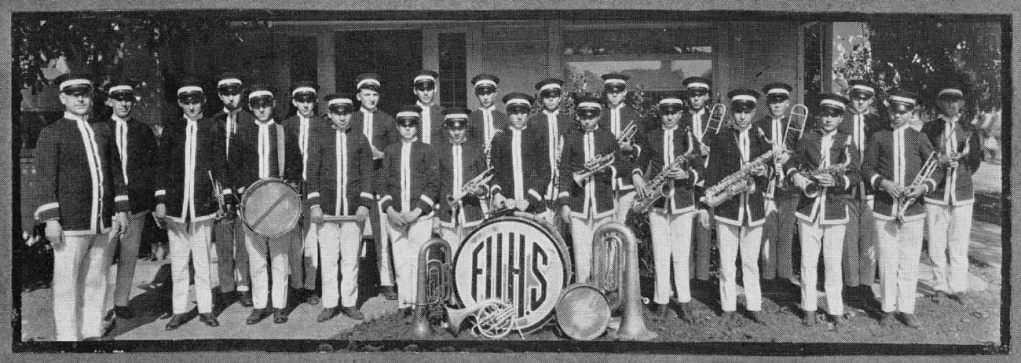

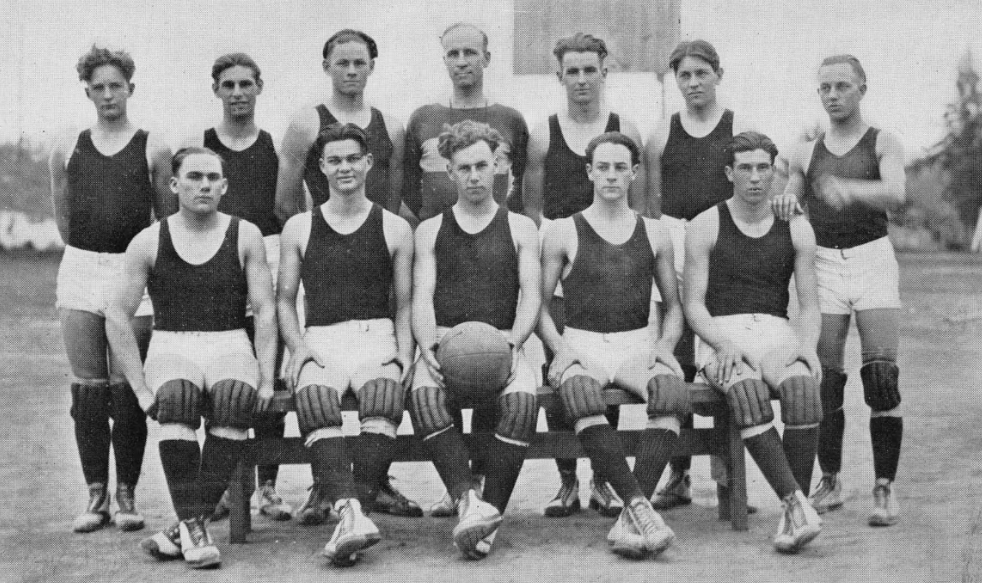


1924
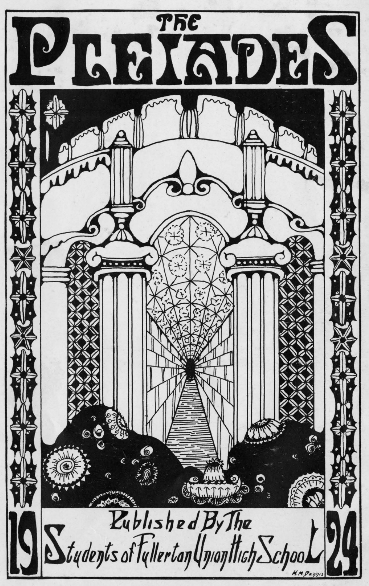
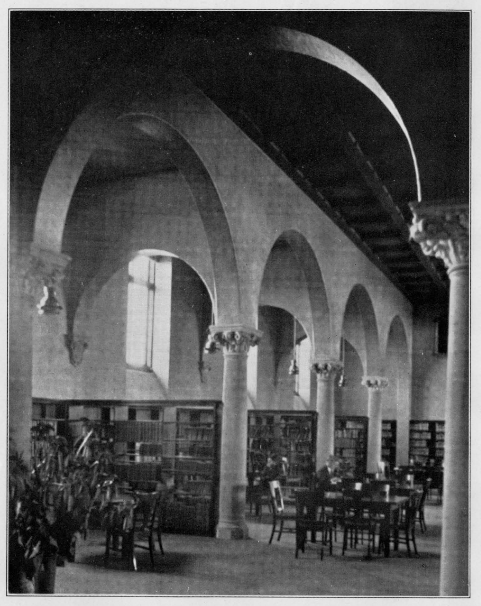
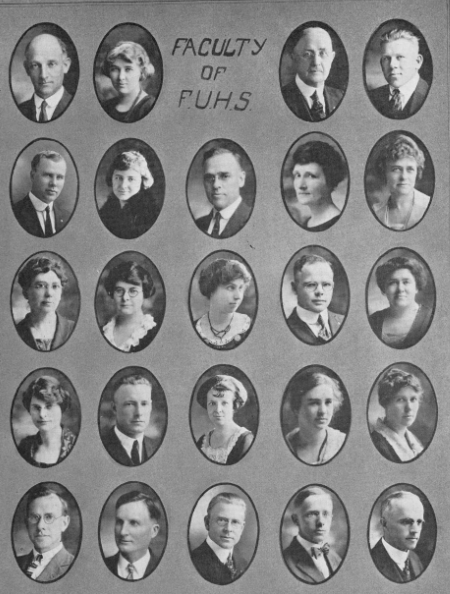
Prior to 1924, Fullerton Union High School did not have the Indian as a mascot. There was no mascot. The 1924 yearbook contains the first reference to FUHS students and faculty as Indians, with a bit of cultural appropriation giving white teachers Indian names, as shown below.

This is, I think, meant to be funny. At this time, conditions for actual living Native Americans were not good. Many of those who had survived the 19th century genocide were attending Indian Boarding Schools, like the nearby Sherman Indian School in Riverside, where much of their culture was being intentionally eradicated. Anyway, here are more yearbook photos…
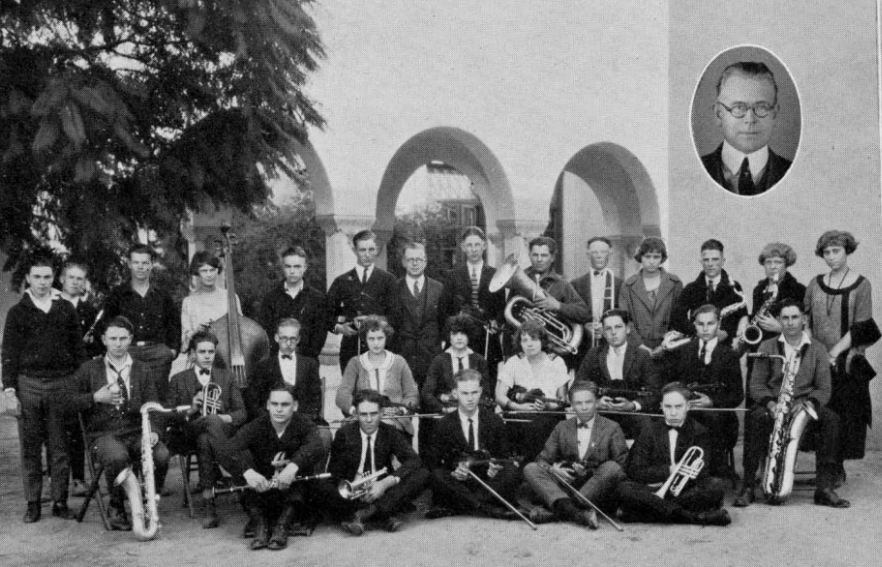
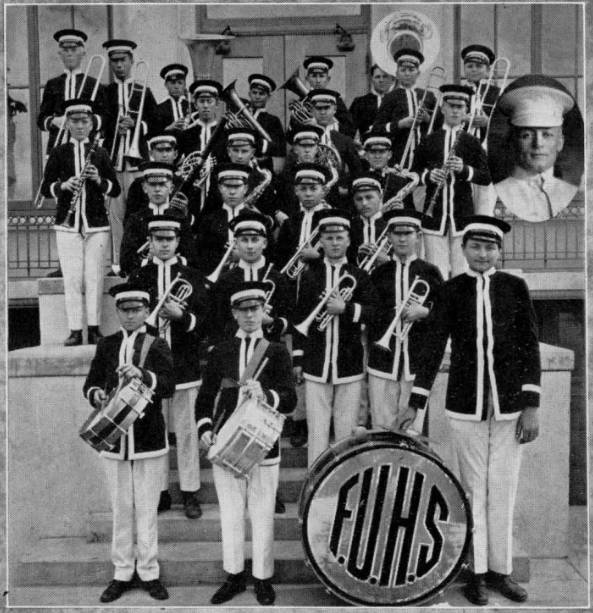

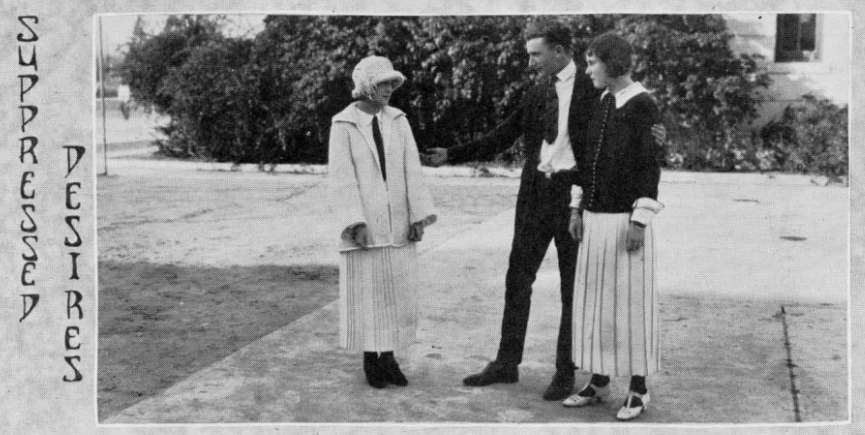

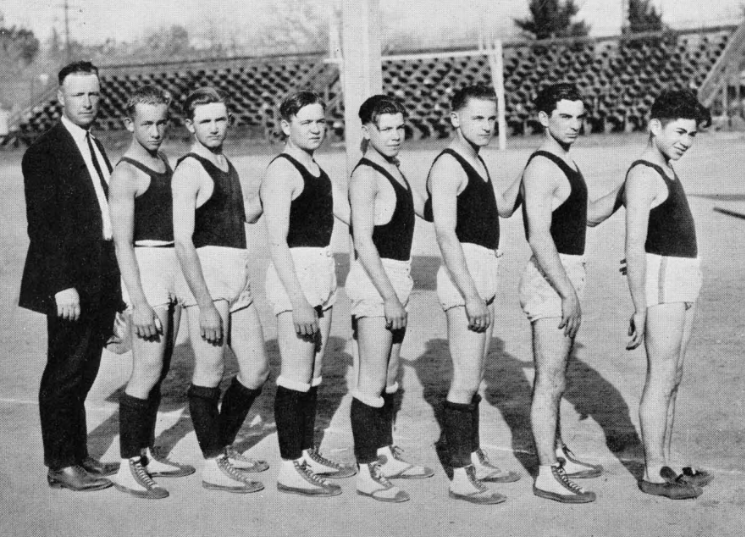
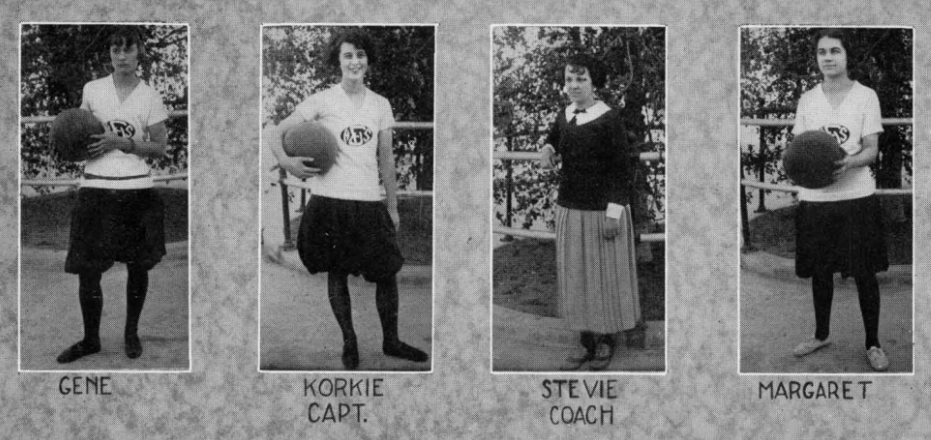
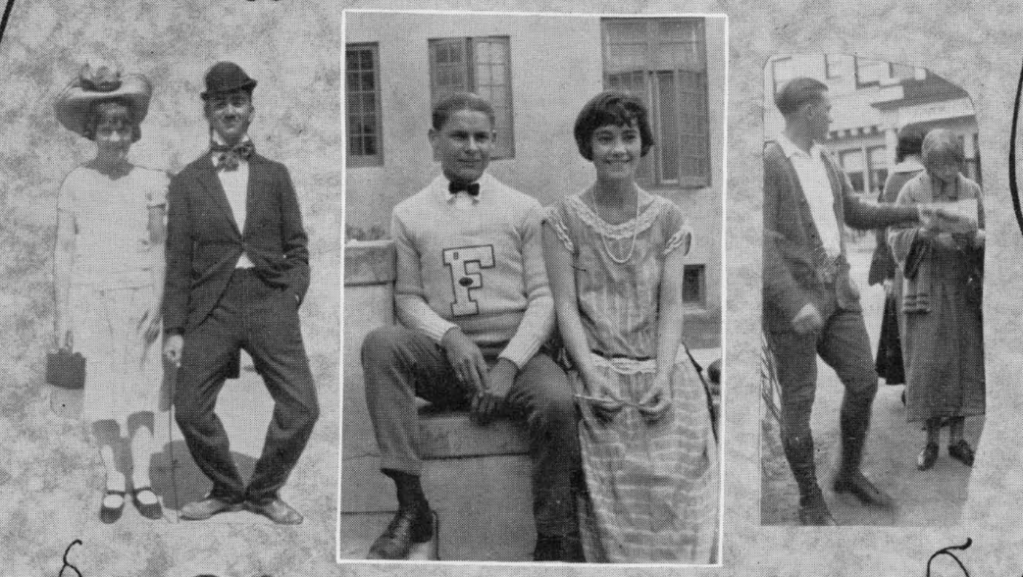
1925
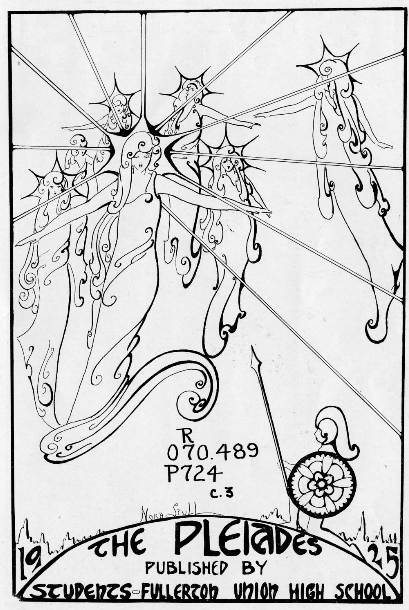
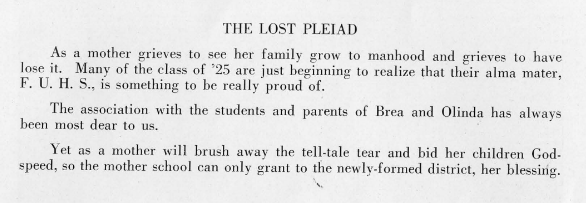
In 1925, the Brea Olinda high school district was formed, so some students from Brea would soon stop attending FUHS.


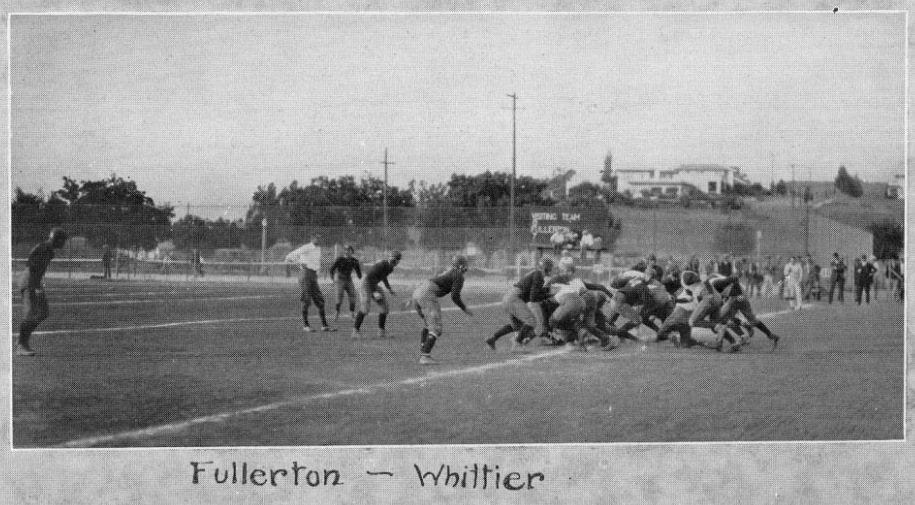
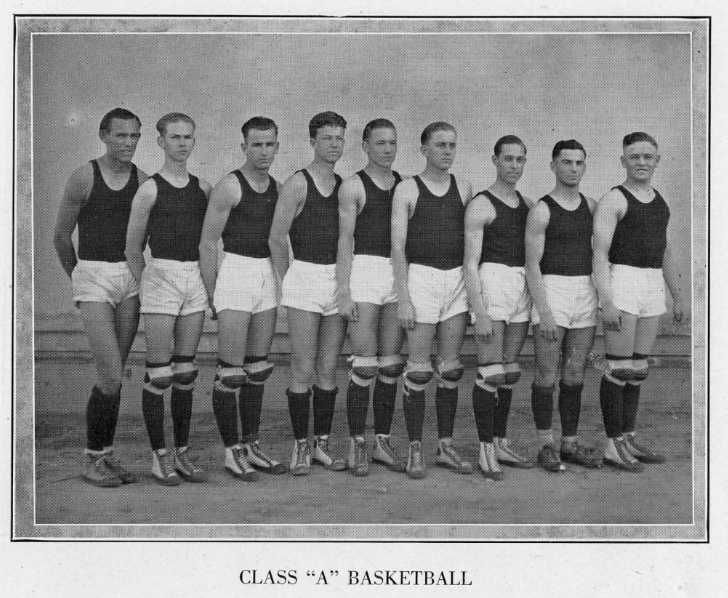


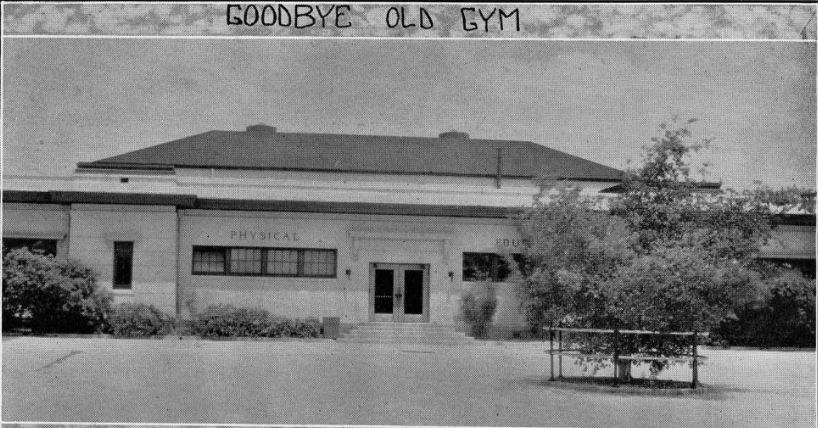
In 1925, a new gym was built.
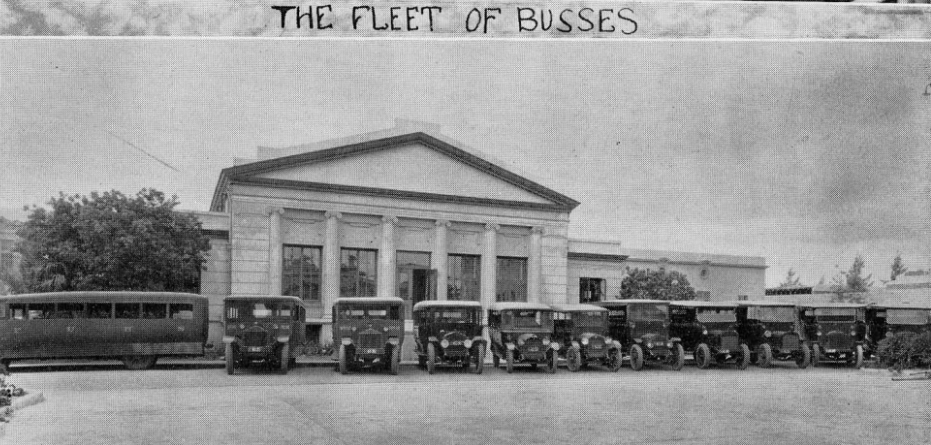
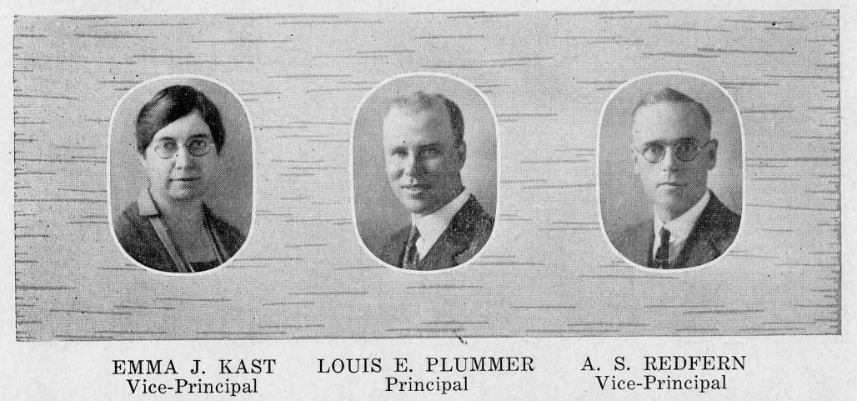
As with previous editions, this year includes students in blackface. The caption for the photo below was the N-word, but I have cropped it out because I don’t want to use that word. It should also be pointed out that in the years 1924-25 the Ku Klux Klan was at the height of its popularity and membership in Orange County, and its members included Louis Plummer, principal of FUHS.

1926
In 1926, the Indian (the new school mascot) is featured prominently throughout the yearbook. This is problematic because it involves cultural appropriation and stereotyping of a people who had experienced a genocide at the hands of Americans. In 1926, conditions for local Native Americans were not good, as many were being sent to Indian Boarding schools like the Sherman Indian School in Riverside. Also, in 1926, the local tribe (Kizh/Gabrieleno) were not even recognized by the State of California or the federal government, despite the fact that they were the original inhabitants of north Orange County and the Los Angeles basin.

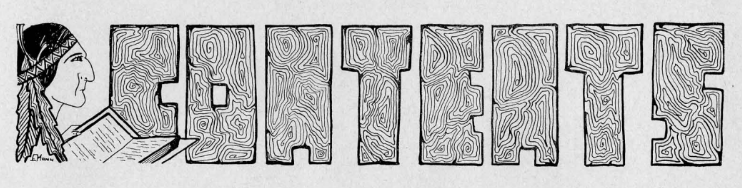

The local native American tribe (the Kizh) did not live in teepees. Prior to Spanish colonization, they lived in dome-shaped tule reed houses.
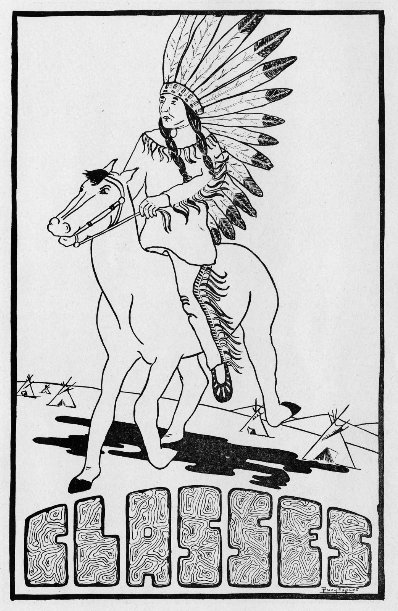
The Kizh also did not ride horses or dress like the guy above. It seems that the term “Indian” was a sort of catch-all that collapsed hundreds of distinct nations and tribes into a singular stereotype.
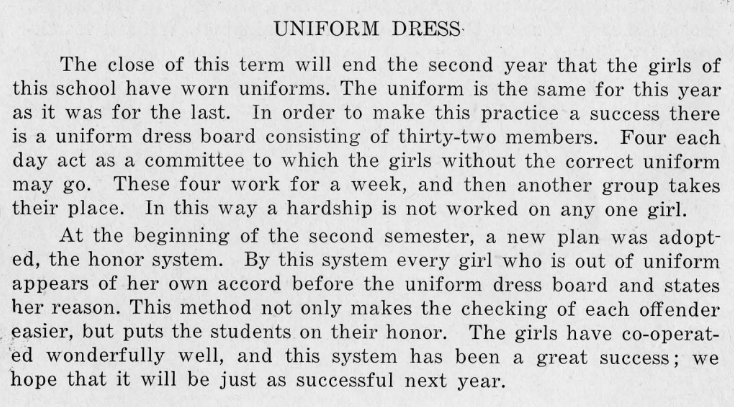
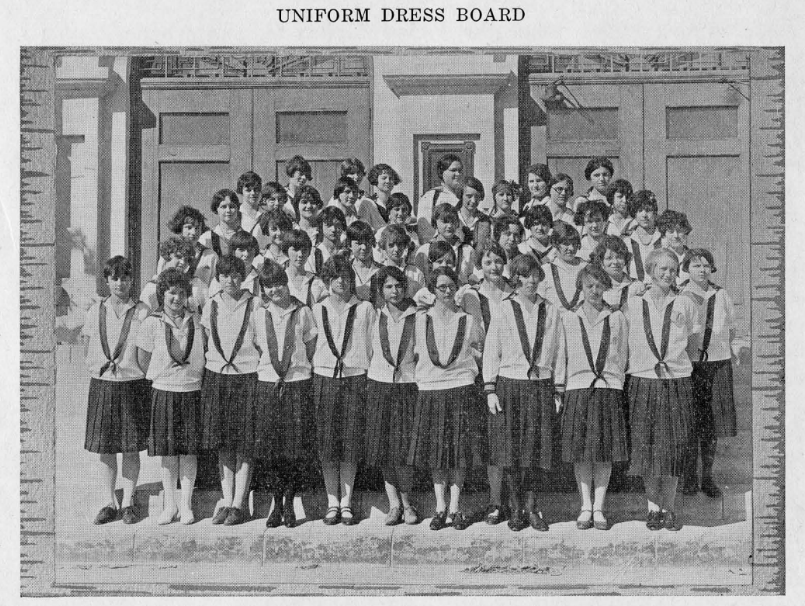
In 1925, FUHS began mandating that girls, but not boys, wear uniforms. Seems a bit sexist and unfair.
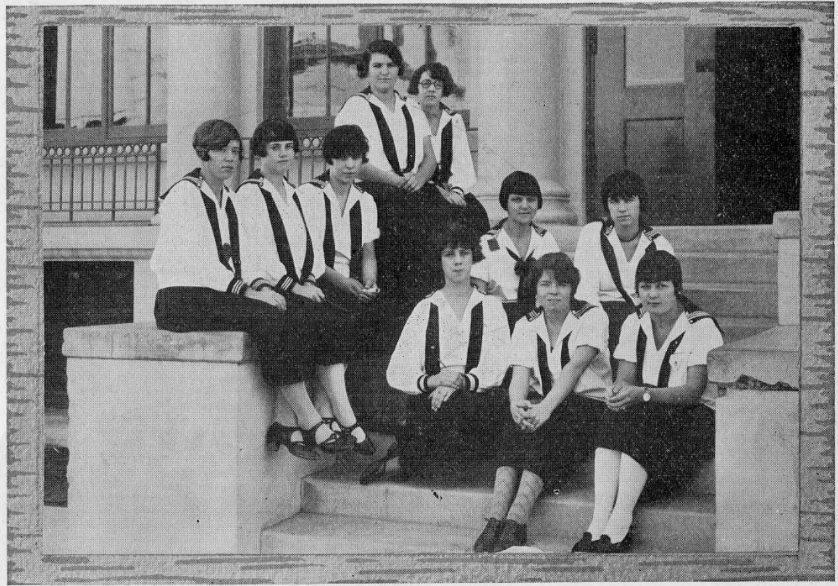
The girls had to dress like this.
Meanwhile, the boys could dress however they wanted.

Here’s an interesting shapshot of the number of graduates from 1910-1922.

The class Vice-President in 1926 was Margaret Yorba, a relative of Jose Antonio Yorba, a soldier (and later landowner) who had accompanied Gaspar de Portola on the first Spanish exploration/conquest of California.

This edition of the yearbook includes a racist poem.
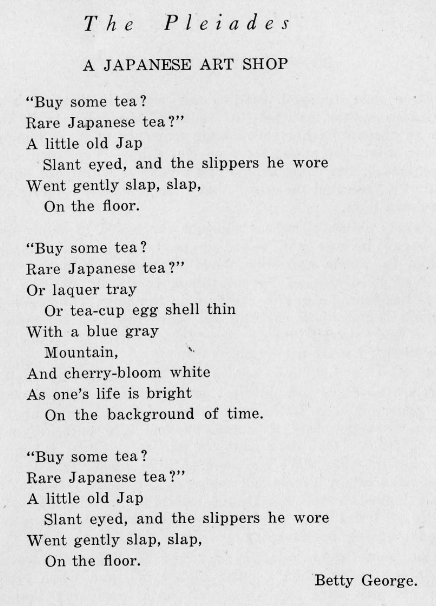
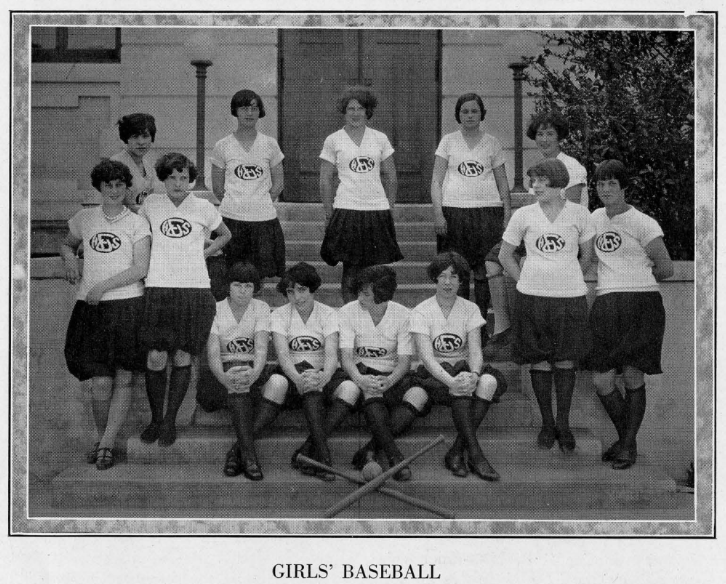
This is all the more problematic because there was at least one Japanese student at FUHS at the time. Her name was Hisako Oba, and she played on the girls baseball team.


The digital archives on the Fullerton Public Library web site are missing the years 1927 and 1928. This is unfortunate because those are the years that Richard Nixon attended FUHS.
1929

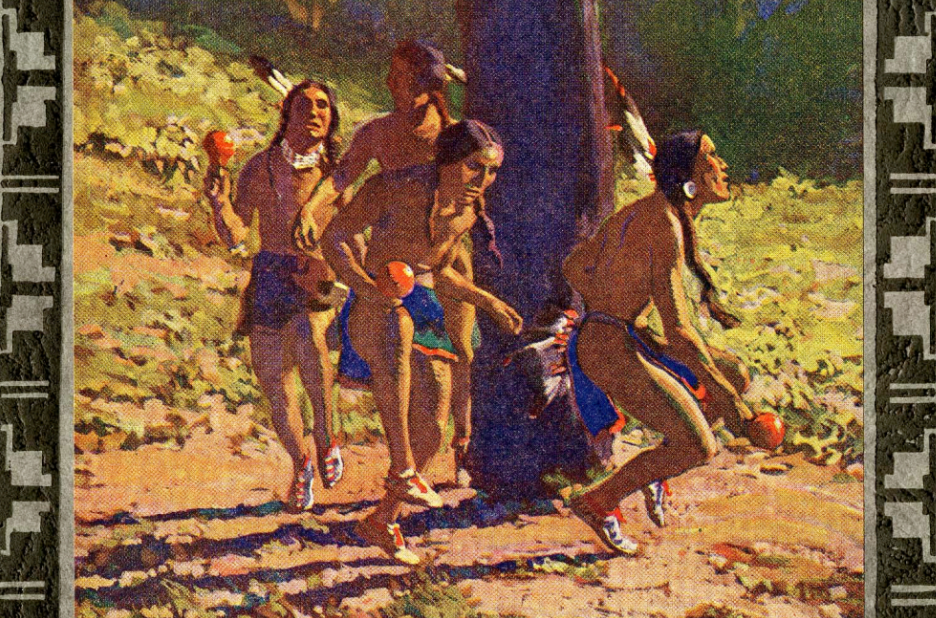
By 1929, the Indian mascot had become an important part of FUHS identity.


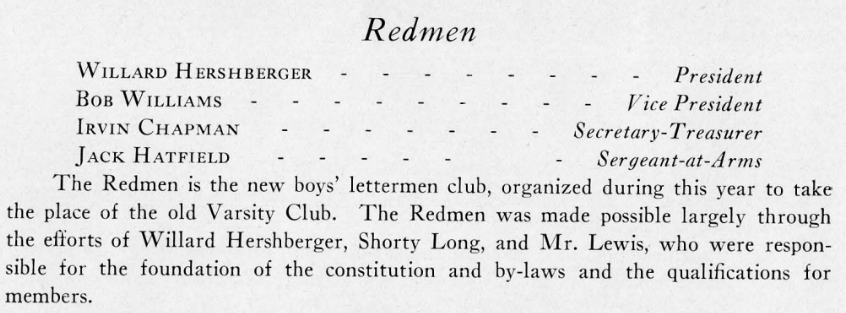
The boys varsity club was called the “Redmen.”
In 1929, construction was underway for the new High School auditorium.


Irvin Chapman, son of orange rancher/tycoon, was class president.
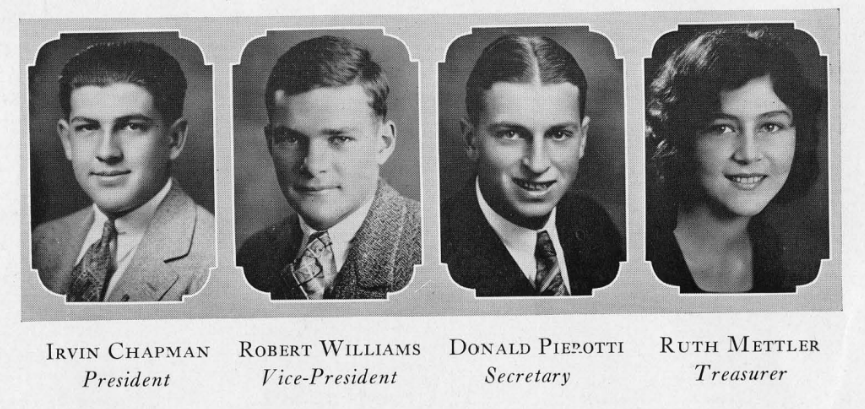
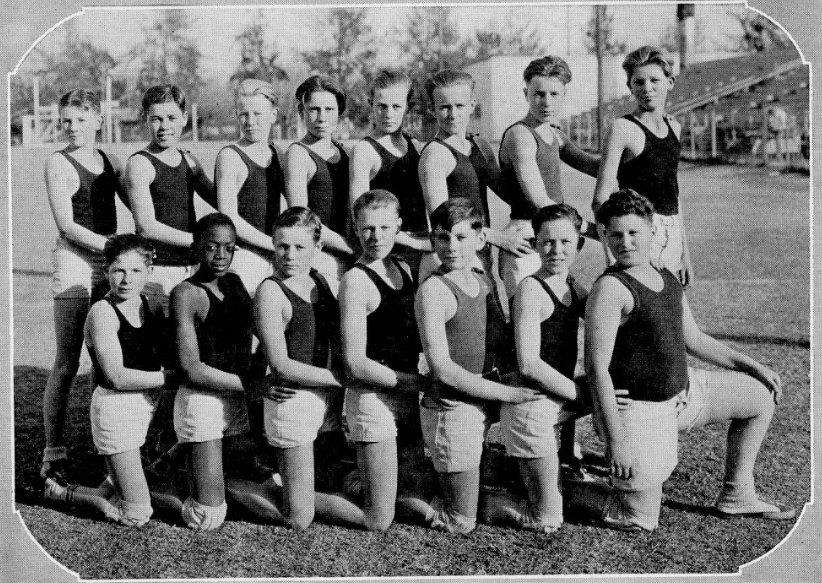
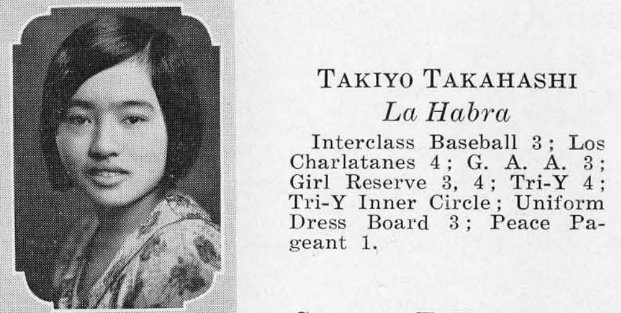
There was, as this time, at least one African American student and a few Japanese students. School segregation in Fullerton at this time did not follow rigid color lines (although housing segregation did), because FUHS was the only high school in town. The segregation we see at this time was between students who attended the “regular” schools and those who attended “Mexican” schools for children of orange pickers.


1930

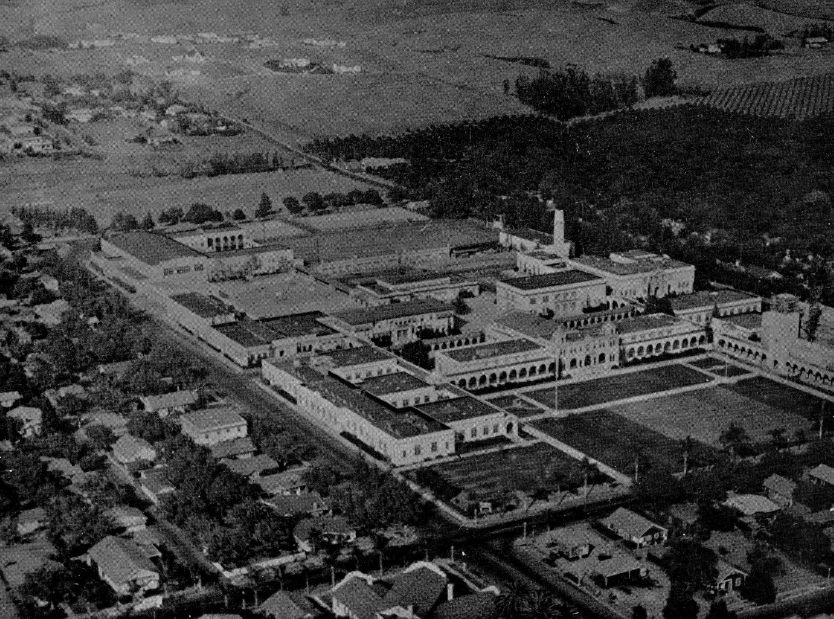
Here is what the massive oak that was the freshman tree looked like in 1930.

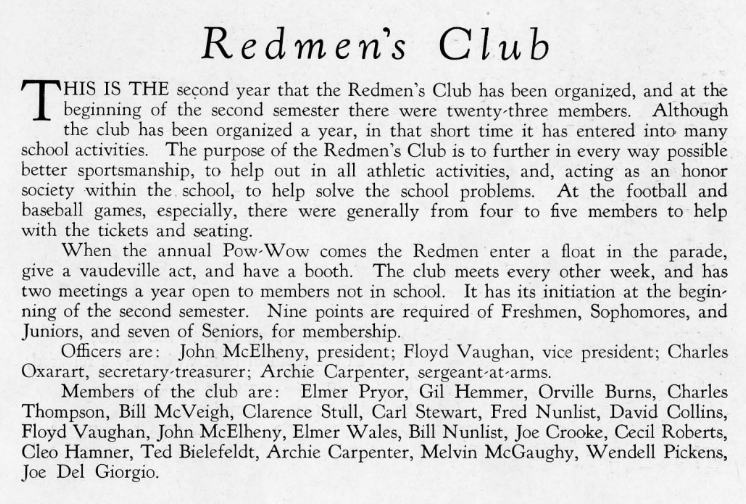
In 1930, FUHS held an annual Pow Wow. This was not a celebration of actual local native Americans. It was a bit of cultural appropriation to bolster school spirit.

Stay tuned for more about the history of FUHS.
 Fullerton History
Leave a comment