The following is from a work-in-progress about the history of Fullerton. You can support my ongoing research and writing on Patreon.
Here is Part II of a summary of Louis E. Plummer’s 1949 book A History of the Fullerton Union High School and Fullerton Junior College 1893-1943. Read Part I HERE.
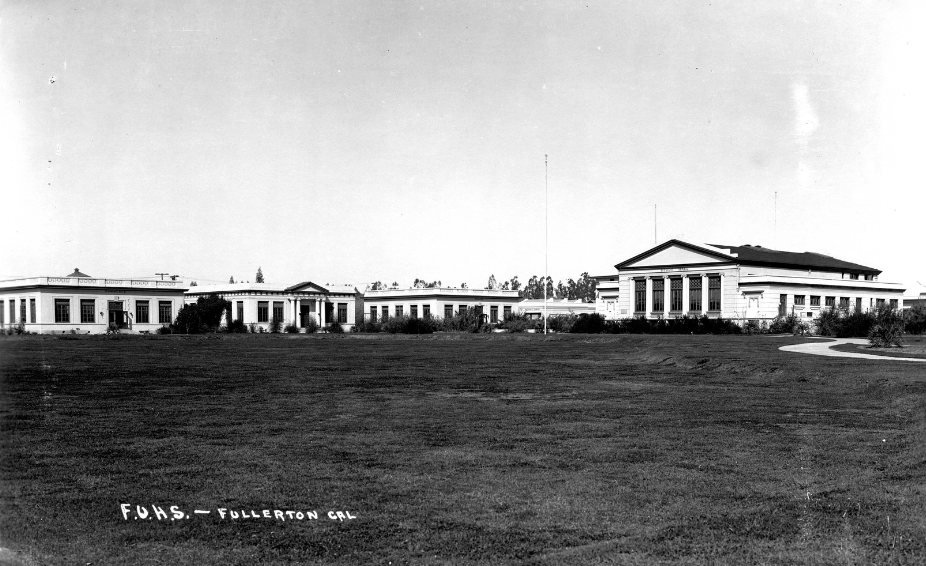
Following the destruction by fire of the original high school building (located on Commonwealth on what is now Amerige Park) in 1910, a new site was chosen on Chapman Avenue, and the school has remained here since then.
In 1912, contracts were let out for six classroom buildings, study hall, auditorium, gymnasium, boiler house, pump house, and garage. A walnut orchard was removed prior to building.
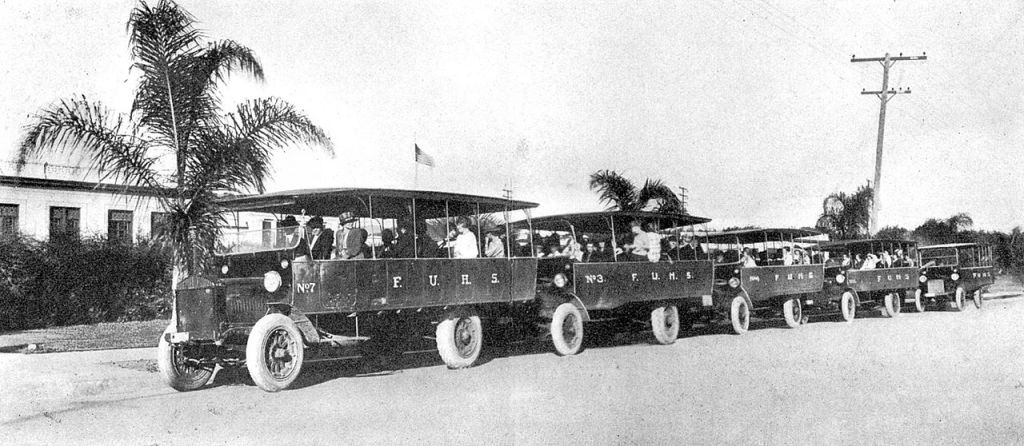
“During the period 1906 to 1916 transportation passed from the horse-and-buggy stage to that of the automobile,” Plummer writes. “Buses were purchased and drivers selected. Hollis Knowlton was chosen as chief driver and mechanic in 1911.”
As the school grew, new buildings were constructed.
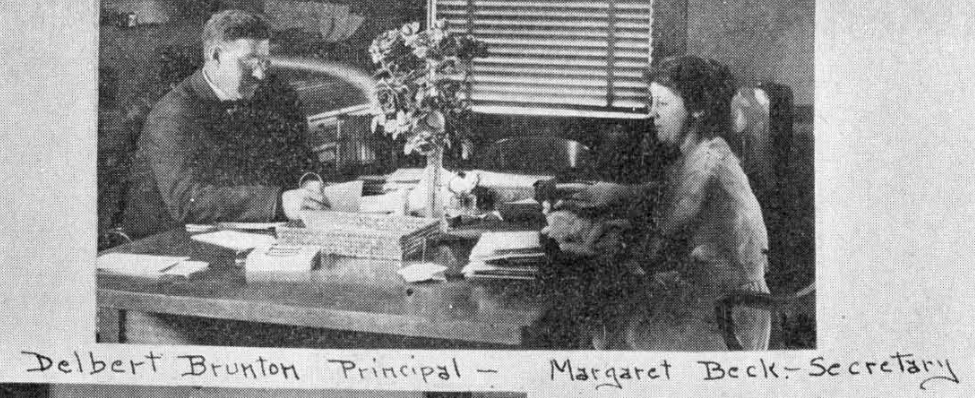
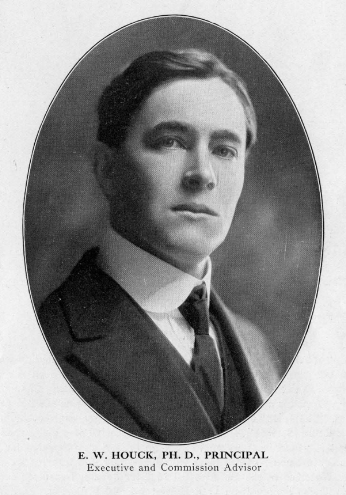
W.R. Carpenter served as principal from 1893 to 1906. Delbert Brunton succeeded Carpenter and served until 1916, when he was succeeded by E.W. Houck.
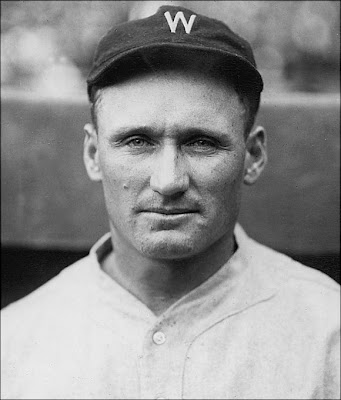
Baseball was most successful as an early sport. The 1905 team included future hall of famer Walter Johnson. Other notable players that attended FUHS included “Arkie” Vaughn, Willard Hershberger, and Gene King, a one armed African American pitcher.
The entry of the United States into World War I temporarily put a stop to construction work on the campus, and many students and faculty of Fullerton College enlisted or worked for the war effort in different capacities.
Plummer gives some interesting commentary on the impact of World War I on the high school, college, and community in general.
“Men enlisted. Those who did not enlist and attempted to secure draft exemption were scorned by their fellows,” he writes. “Freedom and democracy gave way to coercion and intolerance because it was a common feeling that the situation was one that justified the suspension of even these foundation principles of our government in the interests of the successful conduct of the war.”
“In April, 1917, the board of trustees voted in favor of establishing military drill in the schools…For the rank and file of high-school boy and college men, military training was a bore, much less acceptable than the usual program of physical training, including sports. The close of the war removed what the boys felt was the real reason for such drill. In the spring of 1919 interest waned to the vanishing point and the training was considered an unnecessary drudgery. Opposition to the work became so strong that it was discontinued by board action on May 9, and the usual forms of physical education resumed,” Plummer writes.
Plummer became principal of the high school and college in 1919, and in 1937 became superintendent.
To be continued…


Leave a Reply