The following is from a work-in-progress about the history of Fullerton. You can support my ongoing research and writing on Patreon.
The Local History Room of the Fullerton Public Library has microfilm from the Fullerton Daily News-Tribune newspaper stretching back to 1893. I am in the process of reading over the microfilm, year by year, to get a sense of what was happening in the town over the years, and creating a mini archive. Below are some news stories from 1953.
National and International News
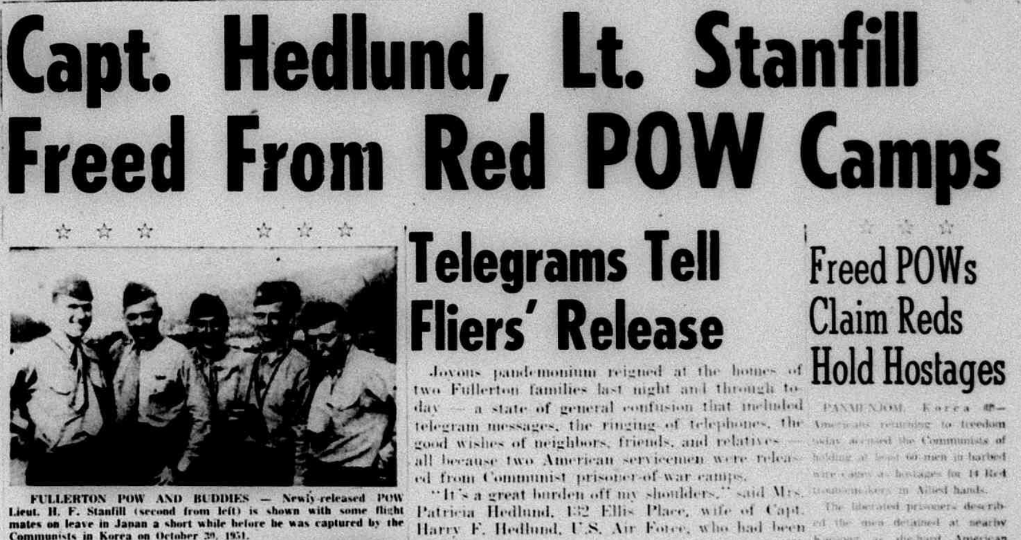
In international news, the Korean War ended with the country just as divided as when the conflict began. Several POWs were released, including some from Fullerton.
Soviet leader Joseph Stalin died, and after a power struggle, Nikita Khruschev became the leader of the USSR.
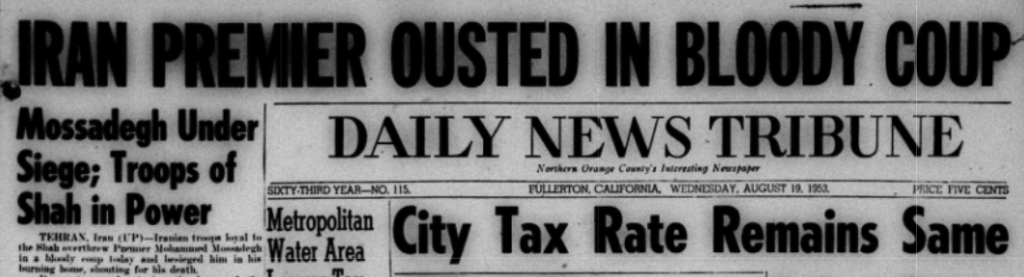
The prime minister of Iran, Mohammad Mossadegh, was ousted in a CIA-backed coup that would see the re-installation of the Shah who was much more friendly to western oil interests.
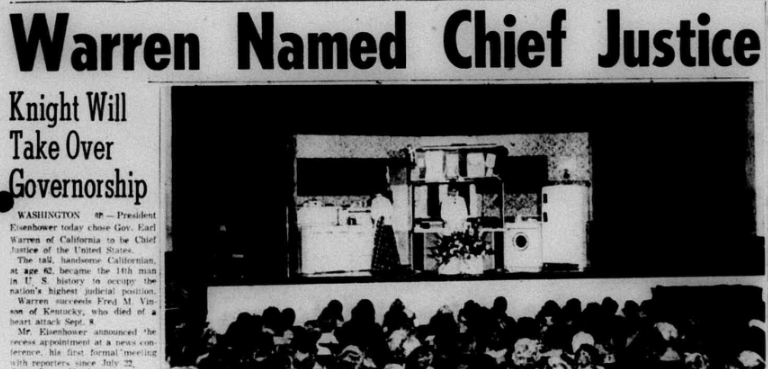
Former California governor Earl Warren was named Chief Justice of the US Supreme Court. The Warren court would make a number of landmark civil rights decisions, such as Brown v. Board of Education (1954).
Immigration
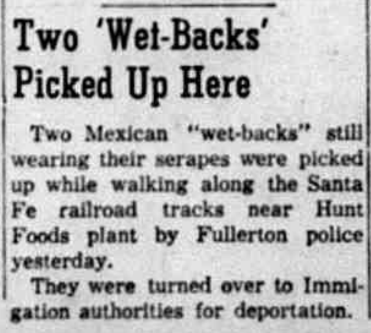
In 1953, raids and crackdowns against undocumented immigrants were increasingly common. Today, supporters of this kind of activity like to avoid racialized language–instead saying that such efforts are about following the law, etc. But in 1953, proponents were much more straightforward. The Eisenhower mass deportation program of 1954-55 was called “Operation Wetback.” It did not solve the problem of illegal immigration because it did not focus on root causes. What it did do was terrorize and violate the rights of many folks, including many American citizens–the vast majority of whom were workers who had been recruited by American businesses that preferred undocumented workers.
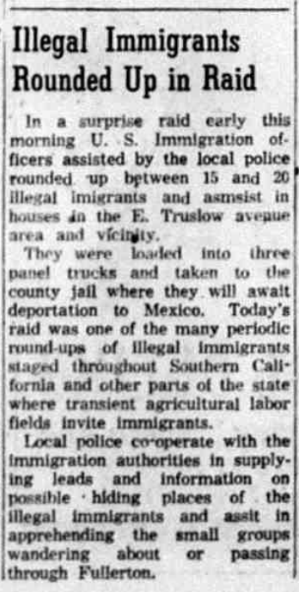
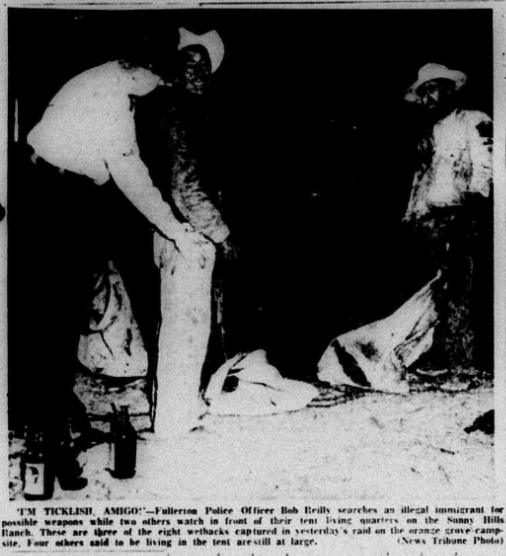
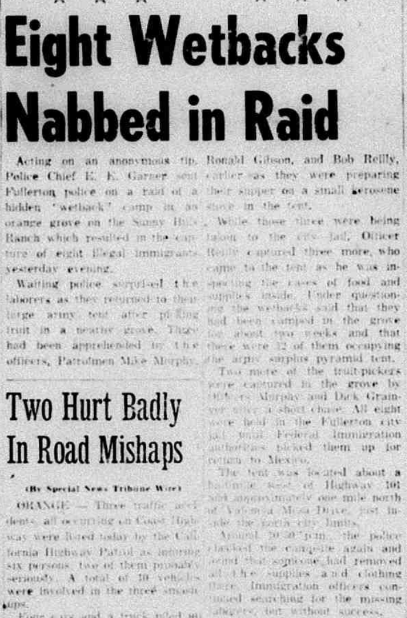
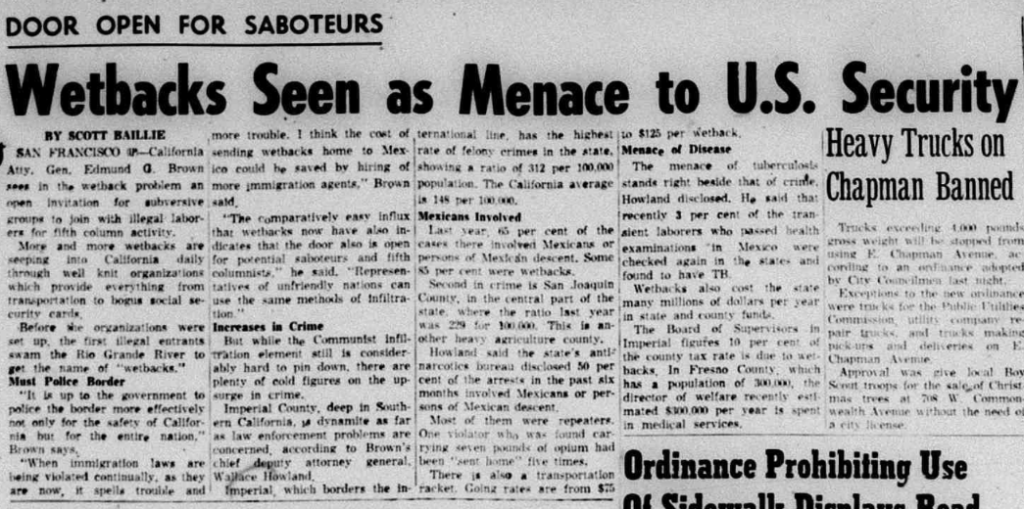
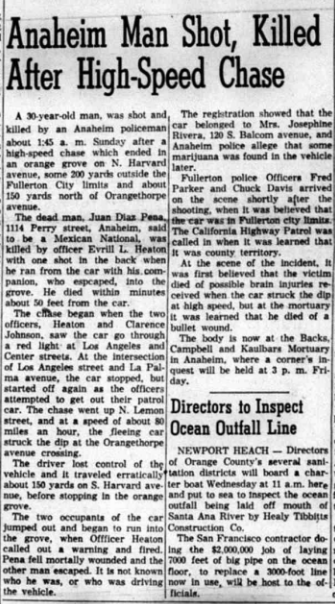
In 1953, police shot and killed a Mexican man named Juan Pena Diaz.
Growth
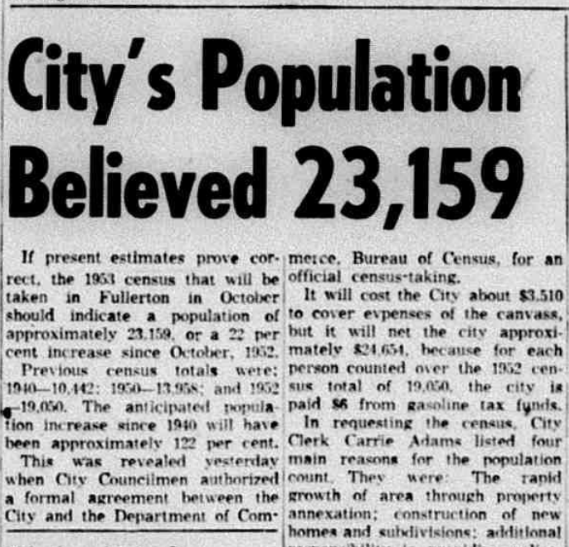
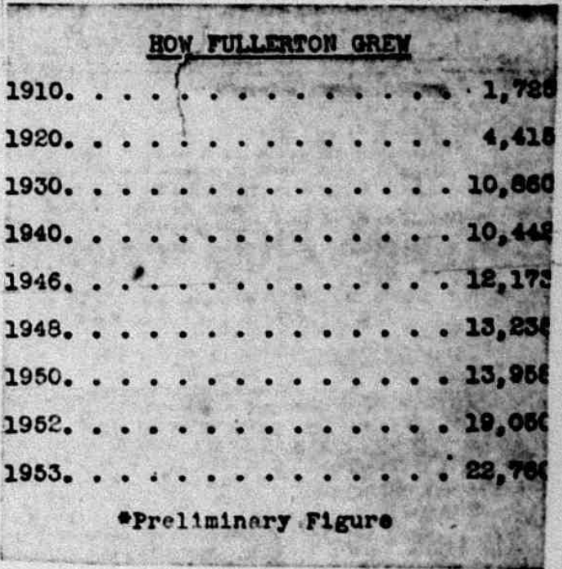
Fullerton continued its phenomenal postwar growth, with new shopping centers, housing subdivisions, industry, and schools replacing orange groves.
Housing
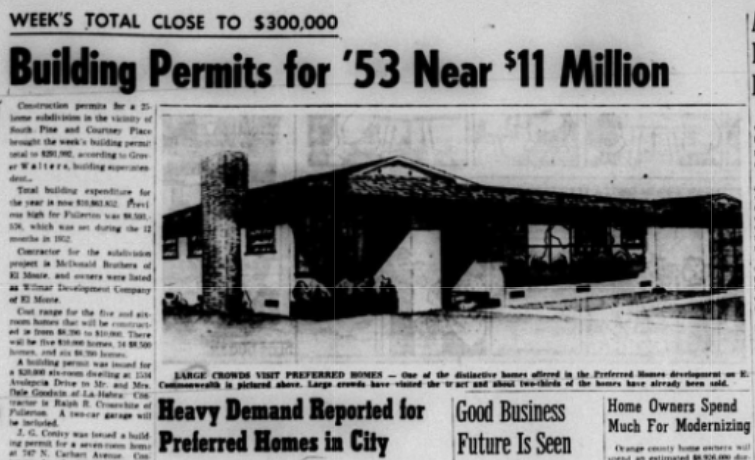
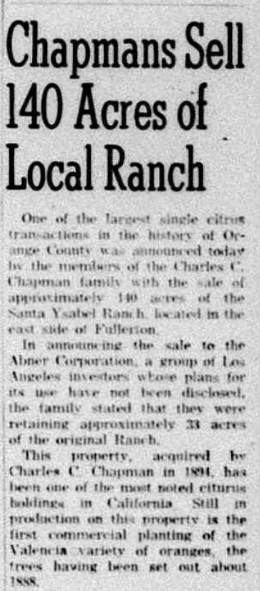
Many orange groves were replaced by new housing subdivisions, including the 140-acre Chapman Ranch.
Housing was much more affordable in the 1950s.
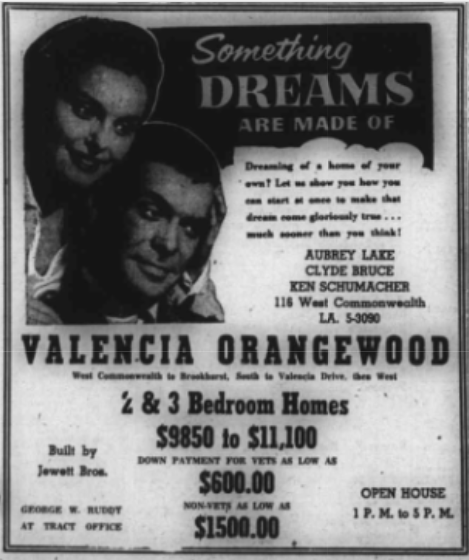
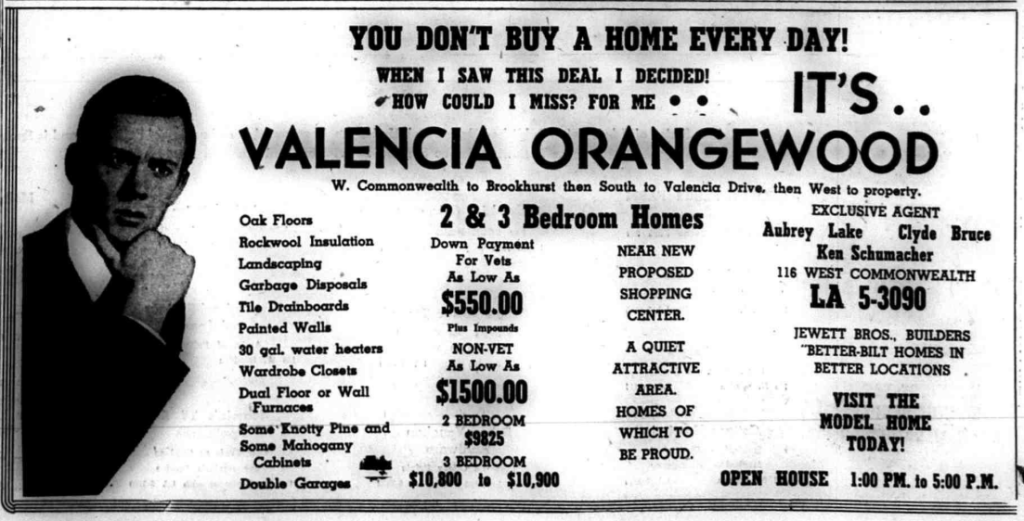
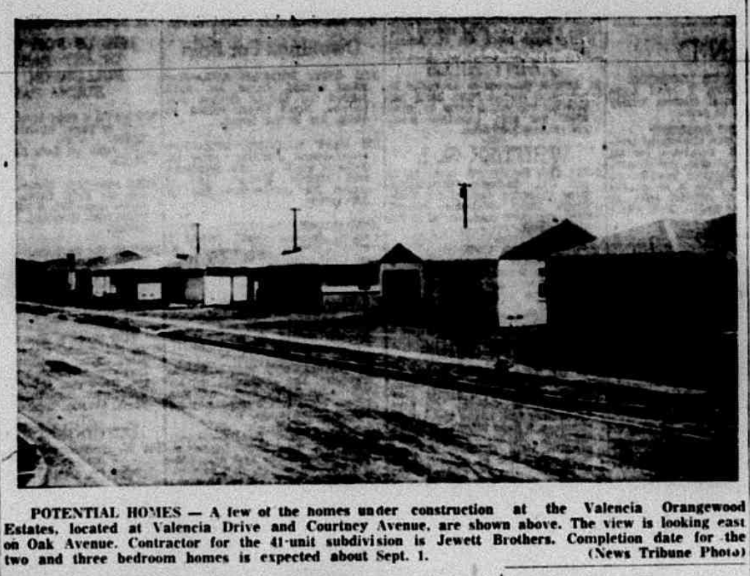
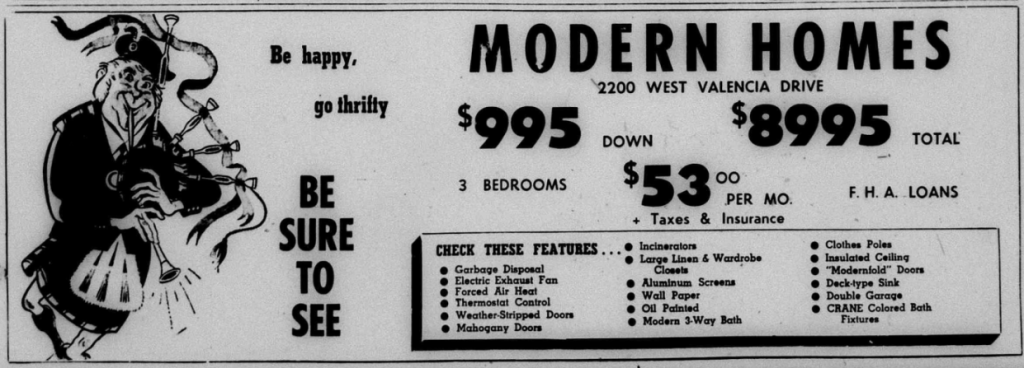
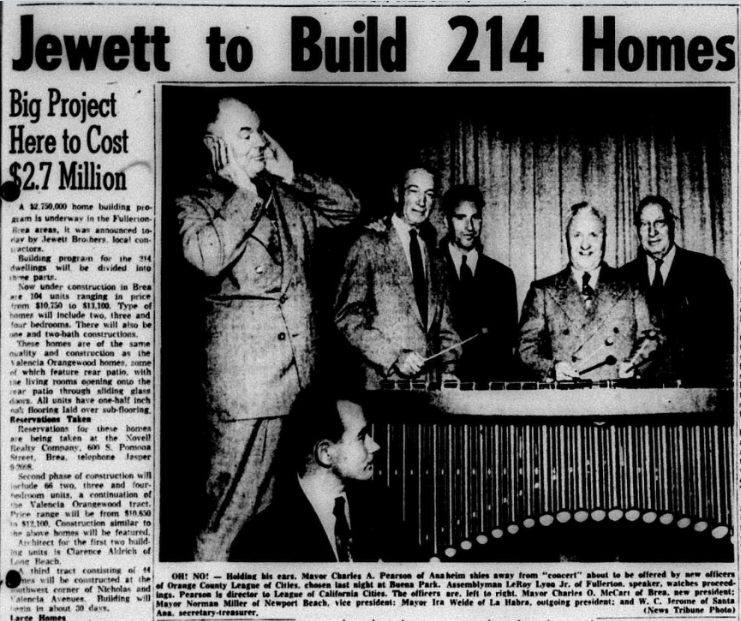
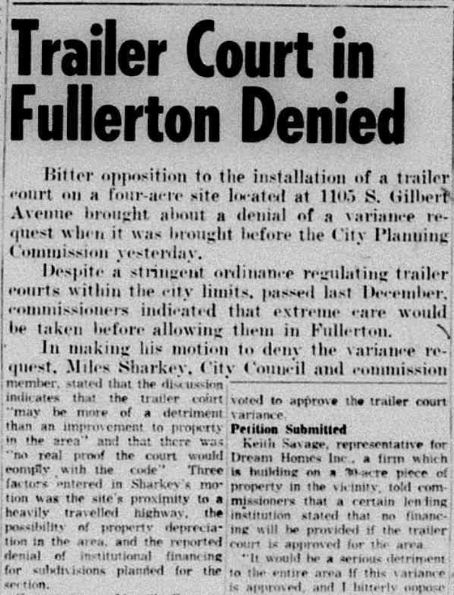
The preferred type of housing in Fullerton was the single-family home. Trailer parks and multi-family apartments were frowned upon and often denied approval.
Industry
New industries located in Fullerton including the following:
Beckman Instruments,
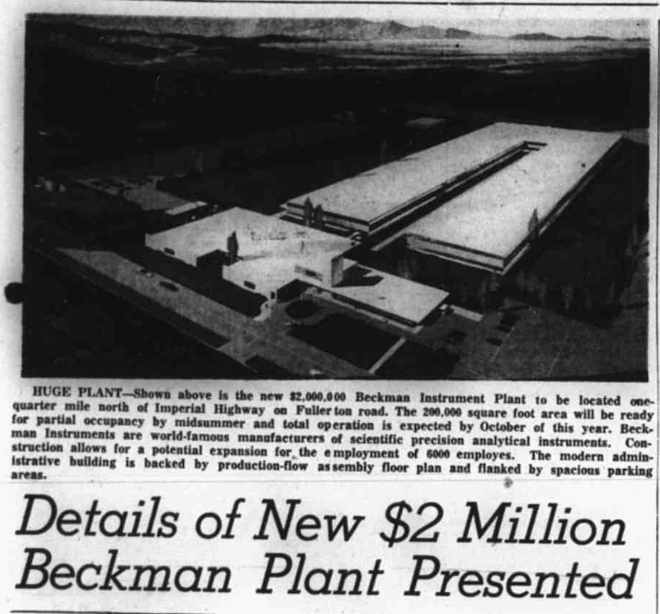
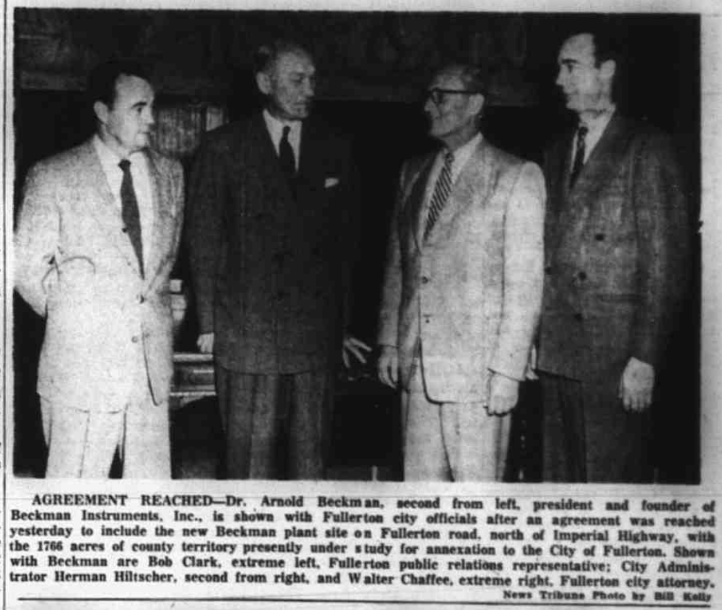
“The entire plant,” said Beckman, “has been planned to harmonize with the natural beauty of the area.” Much of the original orange grove will be maintained and additional landscaping will be in keeping with the established suburban atmosphere.”
Sylvania Electric Products,

National Cash Register,
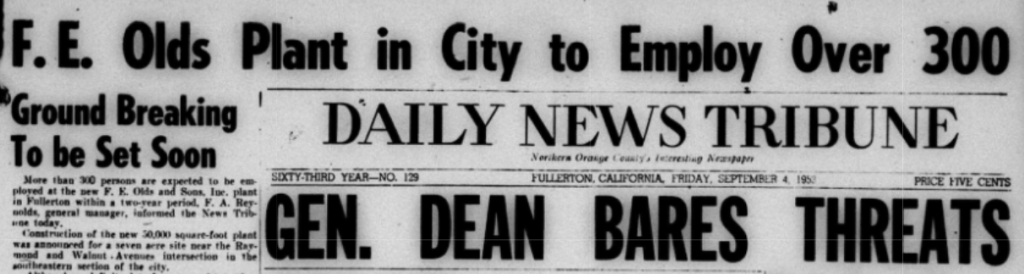
F.E. Olds,
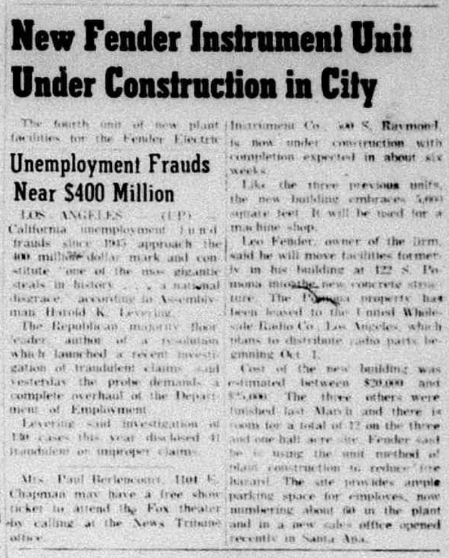
Fender Instruments,
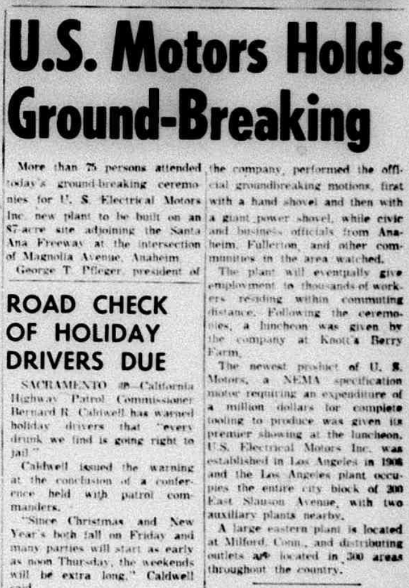
US Motors,
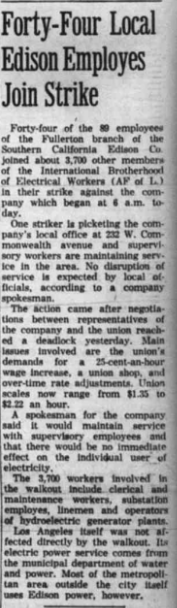
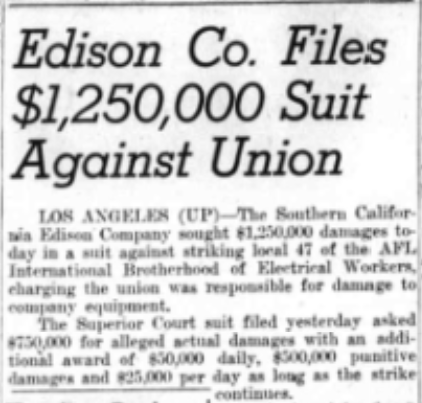
In labor news, employees of Edison went on strike.
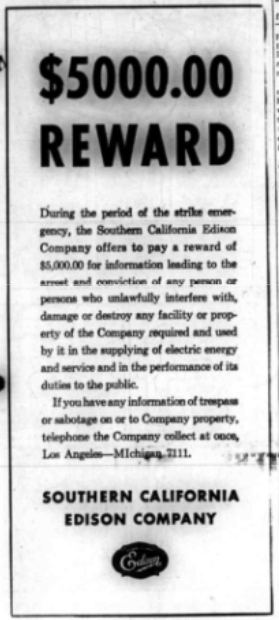
Edison responded by advertising a reward for information leading to the arrest of strikers who broke the law.
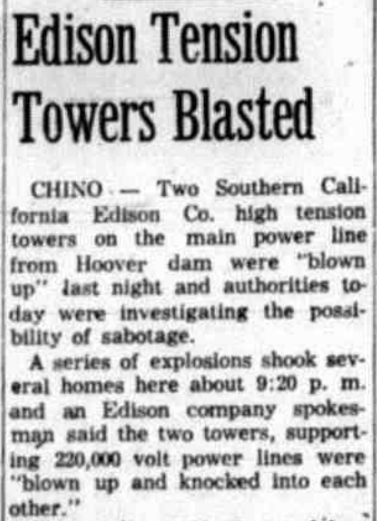
Part of Edison’s concern was perhaps justified, as someone blew up some Edison towers in Chino.
Edison then went on to sue the Edison workers’ union.
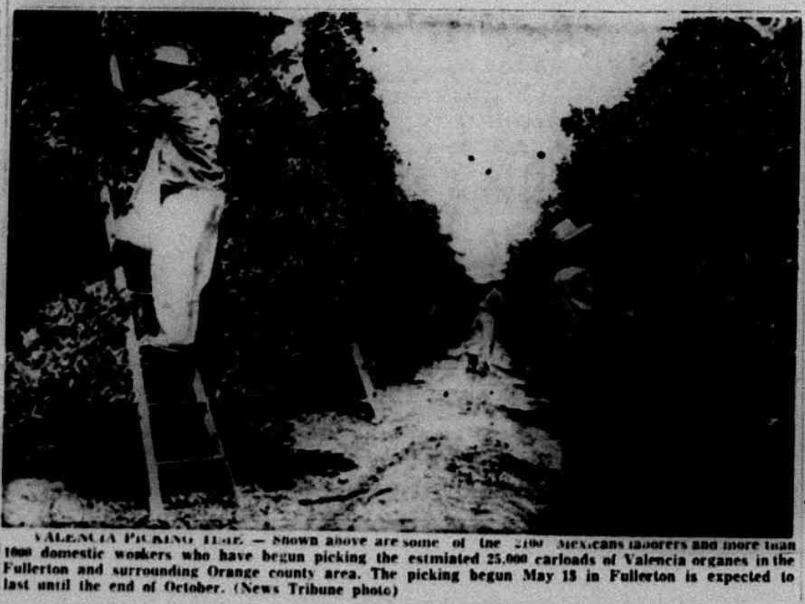
The citrus industry, although it was in decline, still existed.
Education
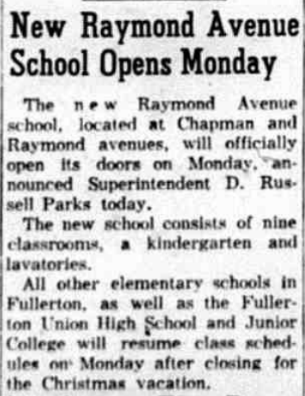
Fullerton’s growth involved the building of new schools opening, including Raymond Avenue Elementary School.
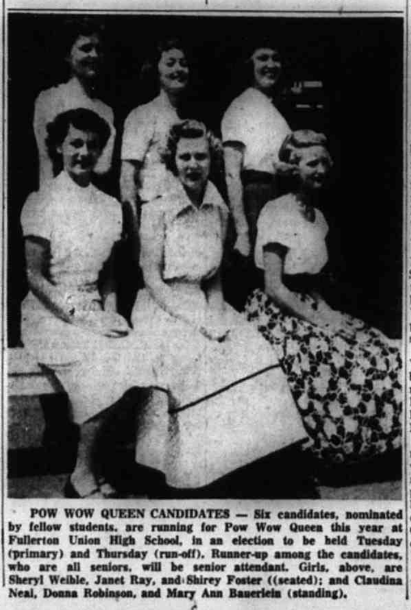
Fullerton Union High School’s mascot was the Indians. This included embarrassing cultural appropriation that involved “Pow Wow” events.
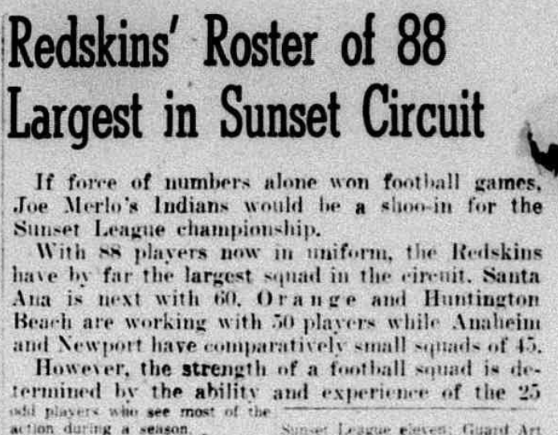
The News-Tribune often referred to FUHS sports teams not as the Indians but as the much more offensive “Redskins”.
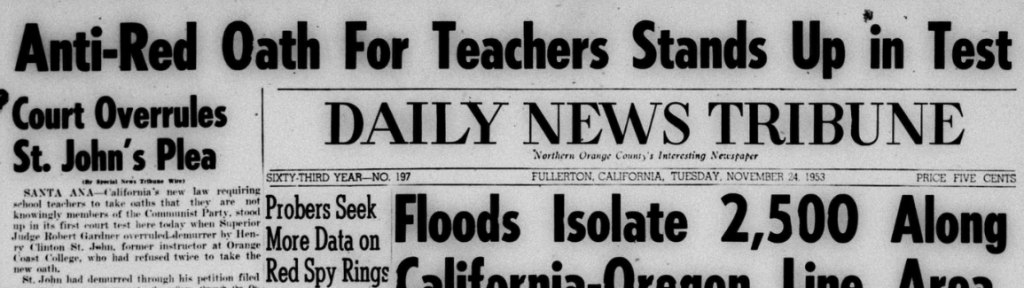
In the context of the Cold War, teachers had to take oaths that they were not communists.
Annexation Fights
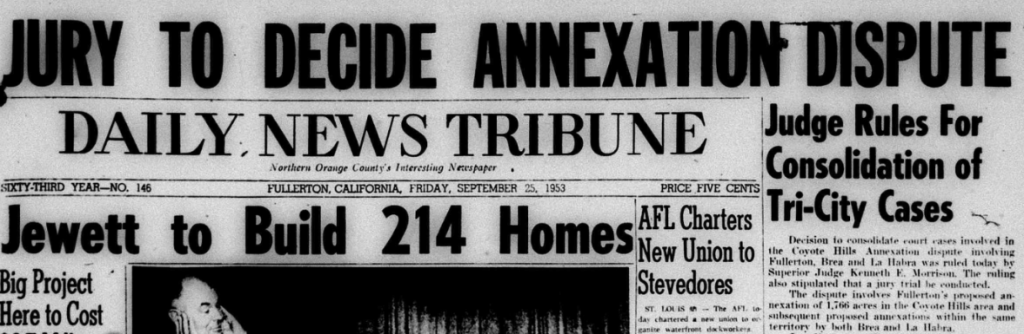
Part of Fullerton’s growth involved fights with other local cities over annexation of unincorporated land, specifically Brea and La Habra.
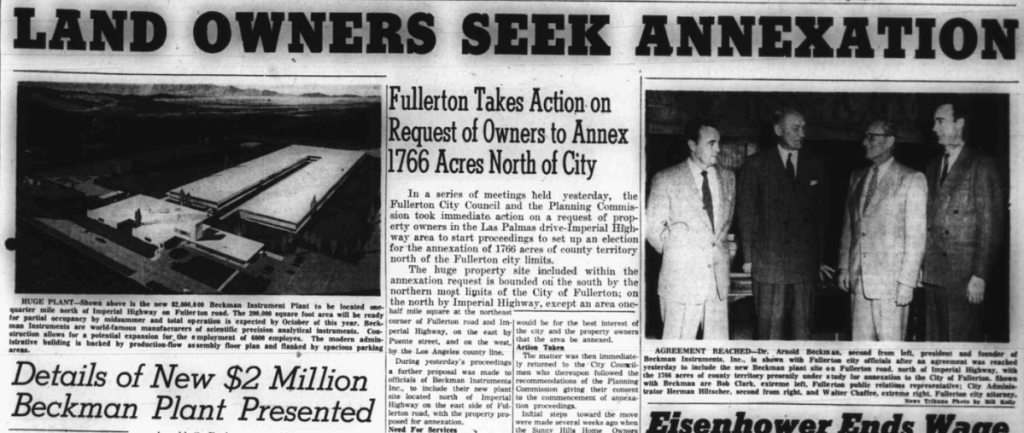
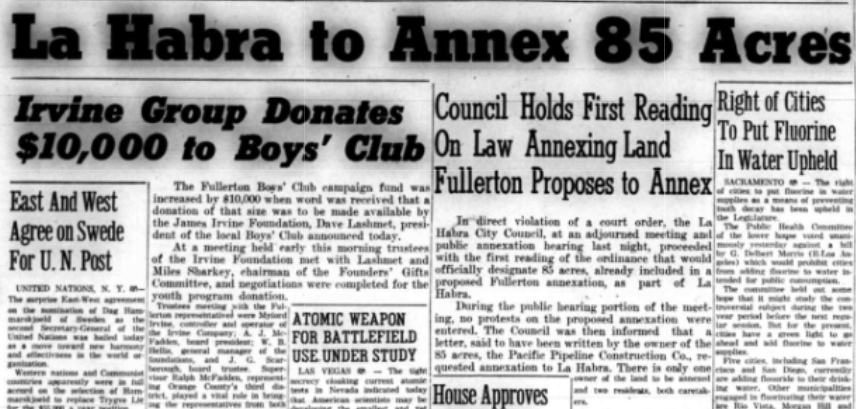
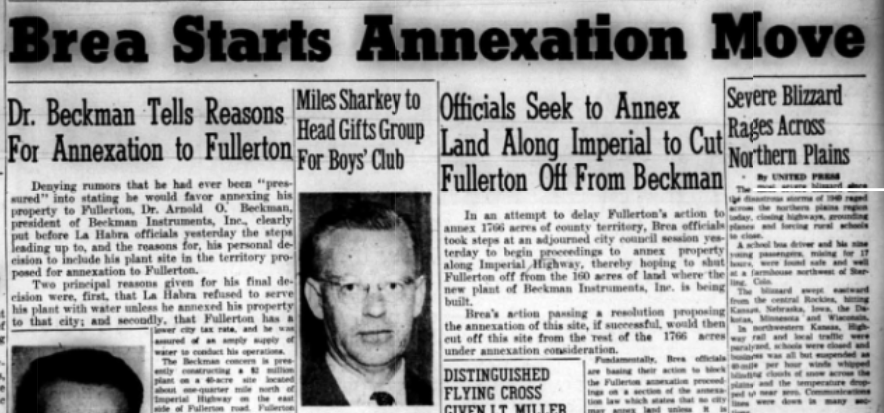
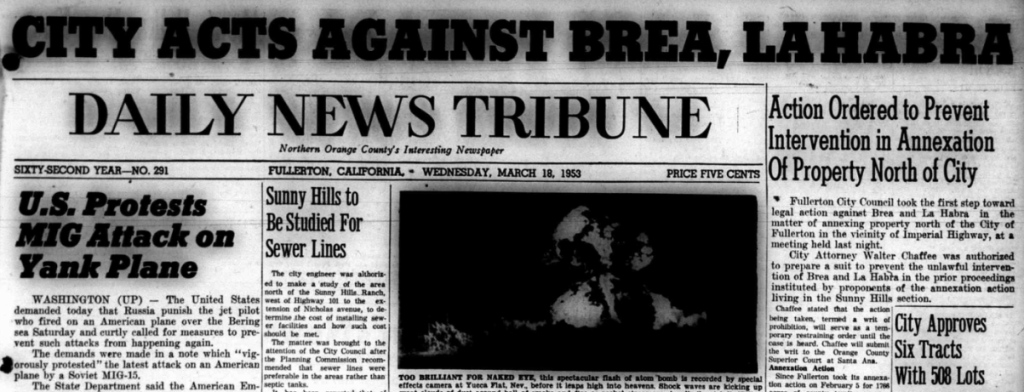
The issue ultimately went to court (stay tuned)!
The Origin of St. Jude Hospital
Fullerton’s growth meant that its old hospital was inadequate to meet the needs of a rapidly growing community.
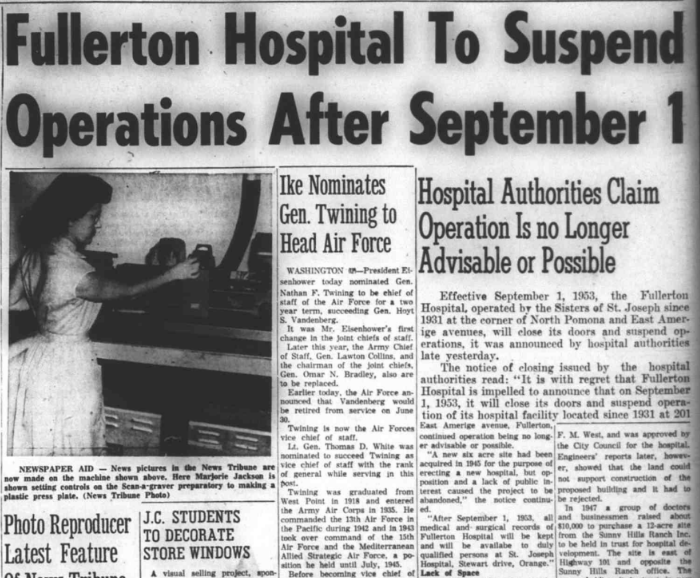
It was decided that a new, much larger, hospital needed to be built, and so local groups worked to acquire the land on the former Sunny Hills Ranch that would eventually become St. Jude Hospital.
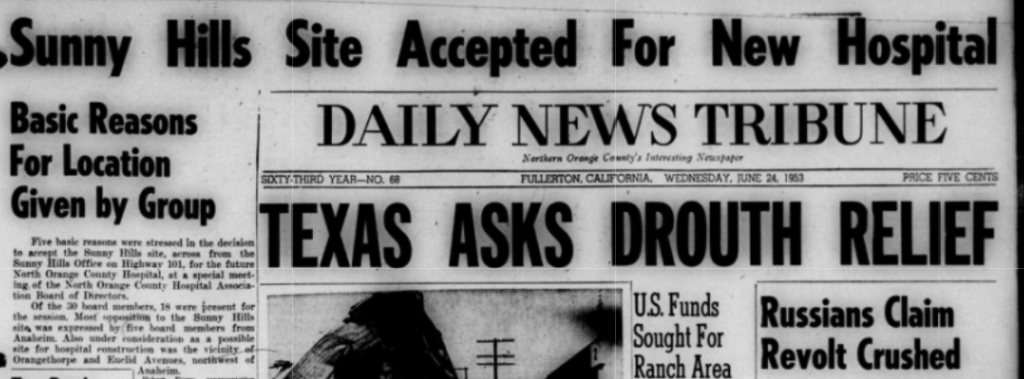
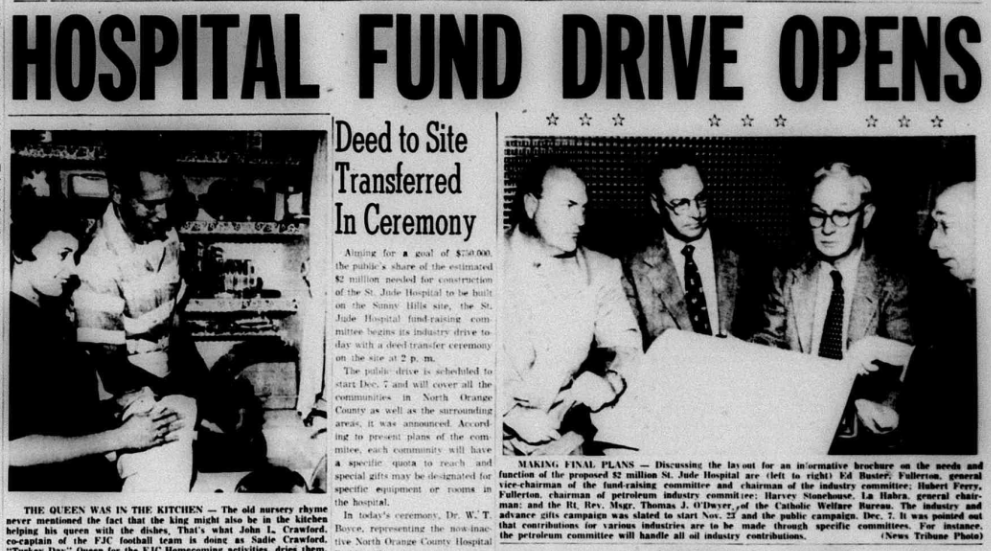
Thus began a massive local fundraising drive for the construction of St. Jude.
Transportation
In the first half of the 20th century, Southern California had the largest inter-urban rail system in the world–the Pacific Electric “Red Cars.” In 1953, a new corporate conglomerate purchased the financially ailing Pacific Electric, and eventually dismantled this rail system.
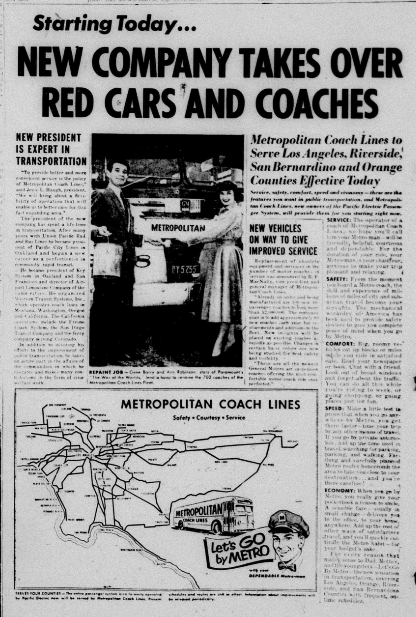
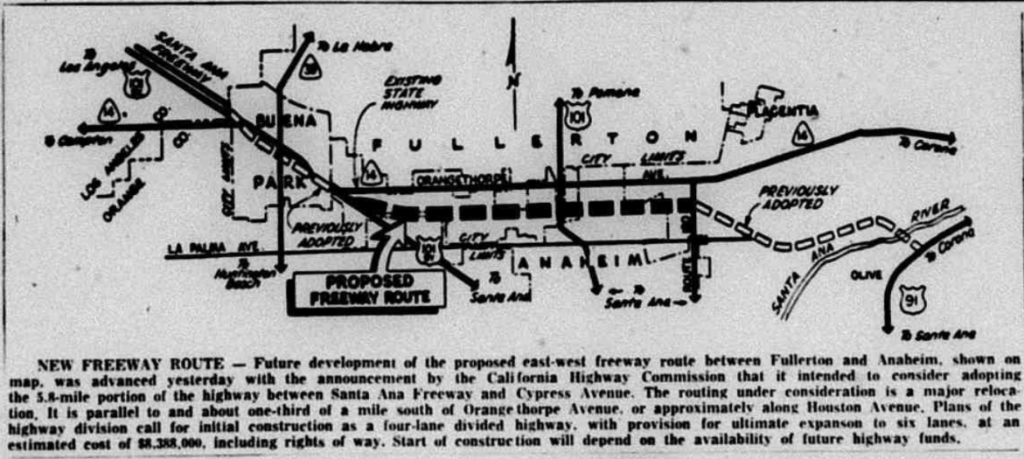
The future of Southern California would not be trains, but cars! The future was freeways!
The decline of the Red Cars, a tragedy in my opinion, is part of the plot of the 1989 film “Who Framed Roger Rabbit?”
Government and Politics
In 1953, Fullerton made a major change in its system of governance by creating the position of City Administrator (now called City Manager). This unelected bureaucrat would now (arguably) have as much power to create policy as the former City Council.
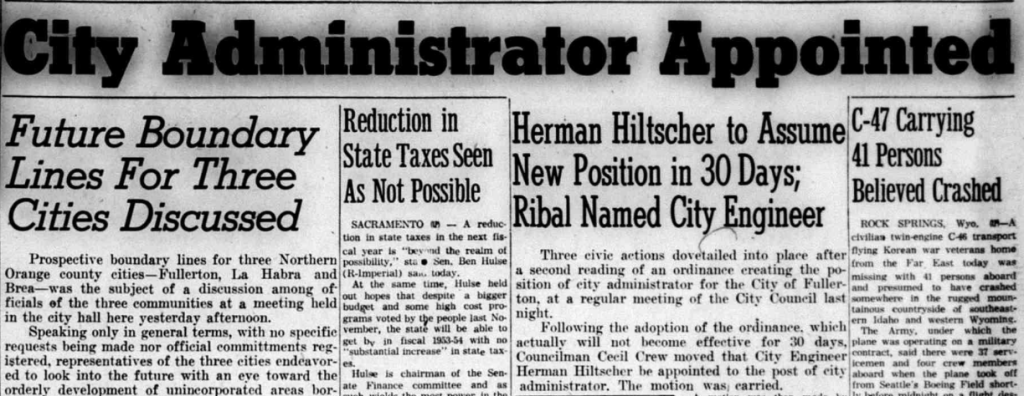
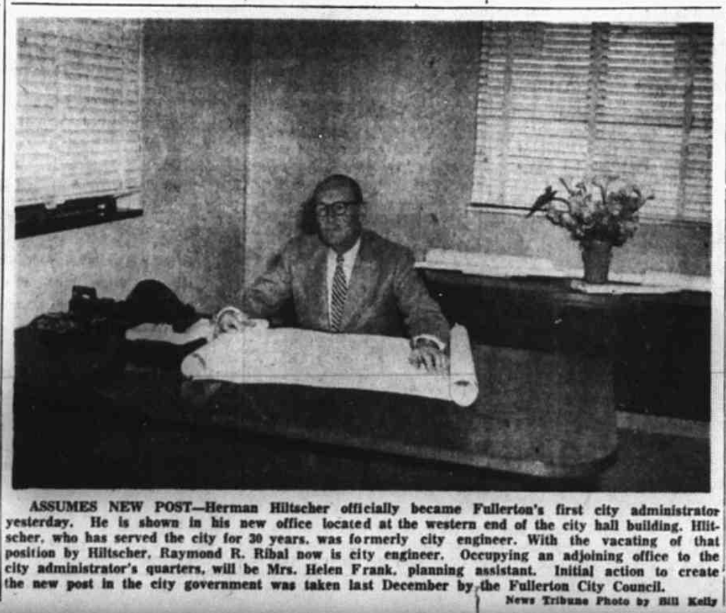
Fullerton’s first City Administrator was alleged former Klansman Herman Hiltscher.
City Councilman Miles Sharkey (manager of the Sunny Hills Ranch company, who had been appointed, not elected) resigned because he no longer lived within the city limits of Fullerton and perhaps because he stood to gain financially by a proposed annexation of land north of Fullerton. The person who was appointed to replace him was Phillip Twombly.
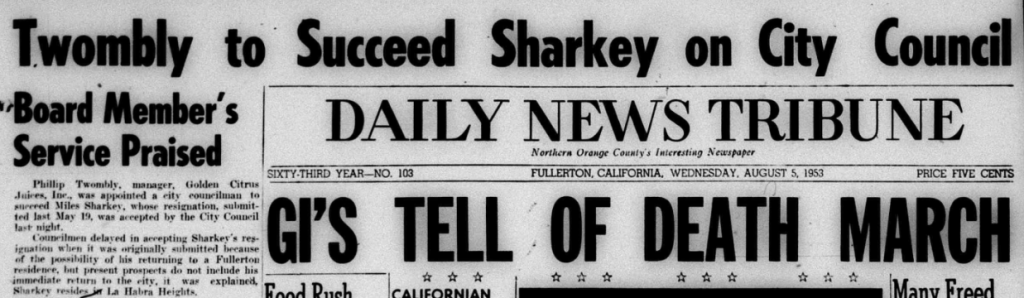
Twombly, whose family moved to Fullerton in 1893, was the manager of Golden Citrus Juices, Inc. He had previously served as president of the Placentia Farm Bureau and director of the Orange County Farm Bureau.
Phillip Twombly is a fascinating figure because he would allegedly become involved in the JFK assasination.
Culture and Entertainment
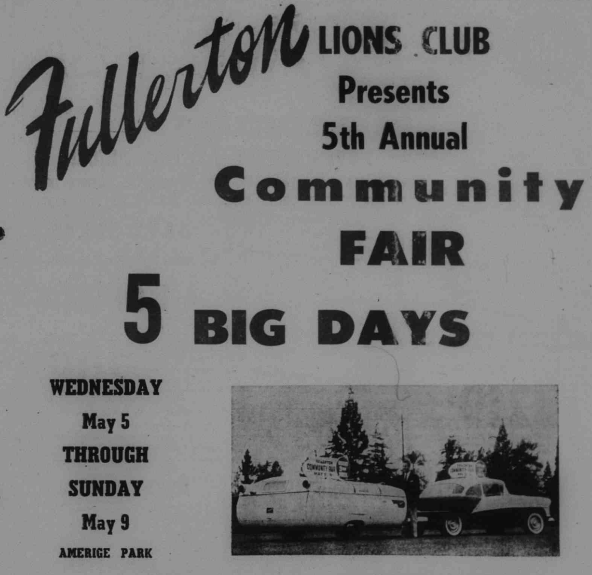
For culture and entertainment, Fullertonians attended an annual Community Fair.
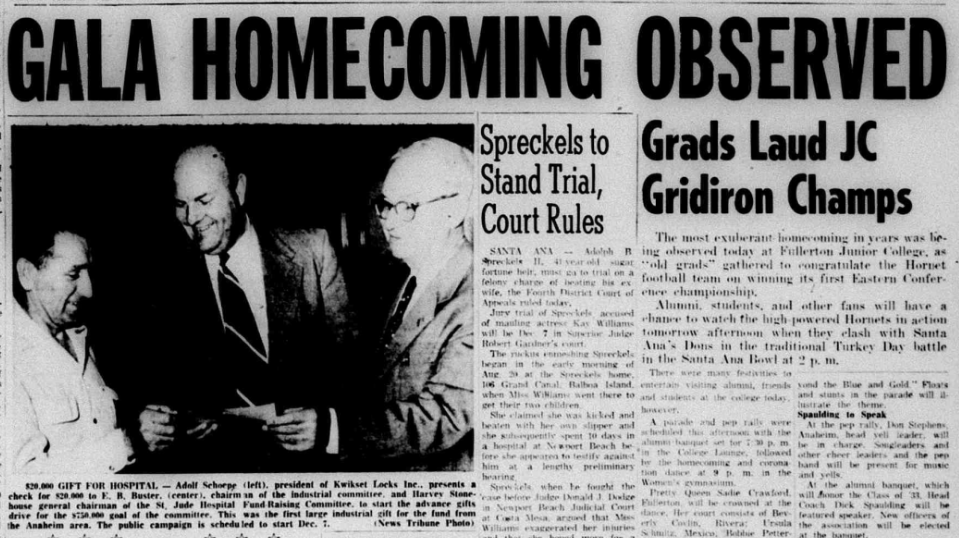
The annual high school Homecoming was a large community event.
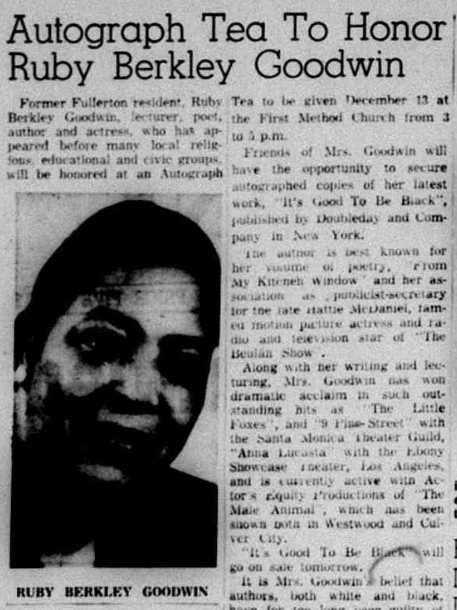
Local African American poet Ruby Berkeley Goodwin was honored.
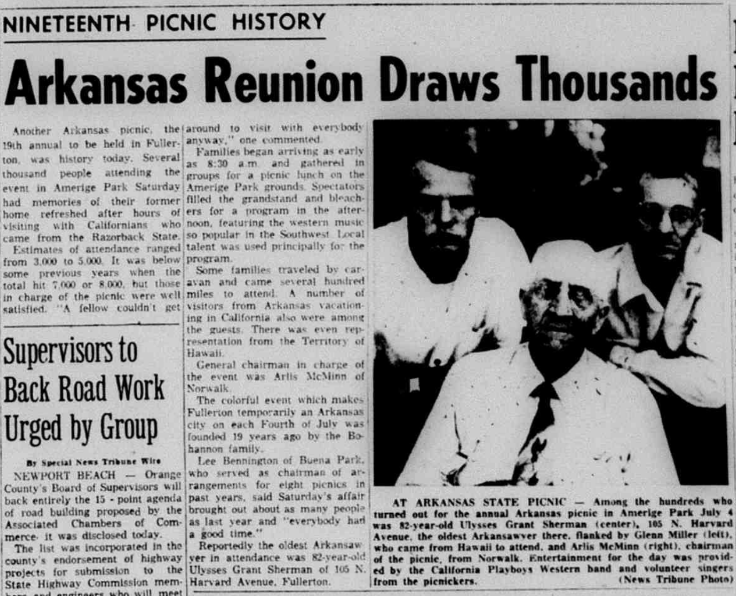
And Fullerton hosted an annual Arkansas reunion.
Miscellaneous
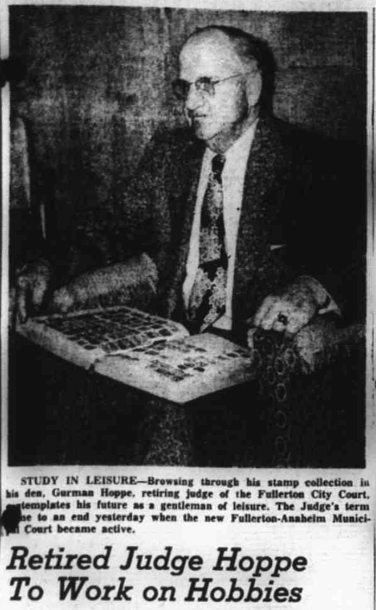
Fullerton’s City Judge since 1948, local business man since 1920 Gurman Hoppe retired. Hoppe came to Fullerton in 1912 and worked for the Stern and Goodman department store. In 1927 he went into business for himself, running Hoppe’s Hardware store at 104 and 106 S. Spadra road.
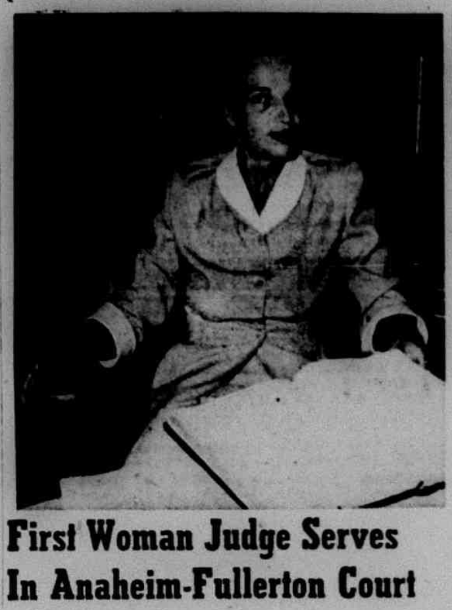
Cena Young was appointed as the first woman judge in a local court.
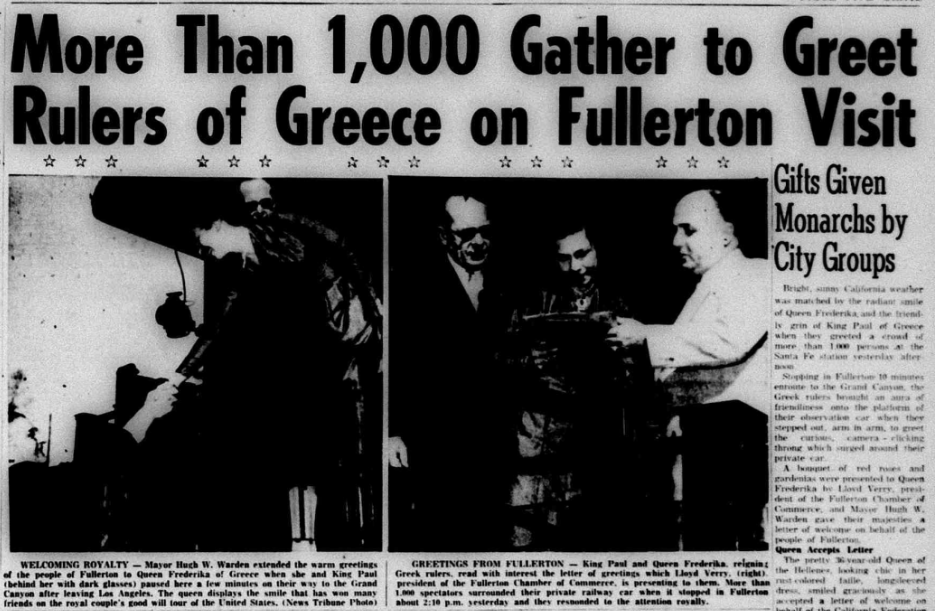
Over 1000 people gathered to greet the ruler of Greece when his train stopped briefly in Fullerton.
Deaths
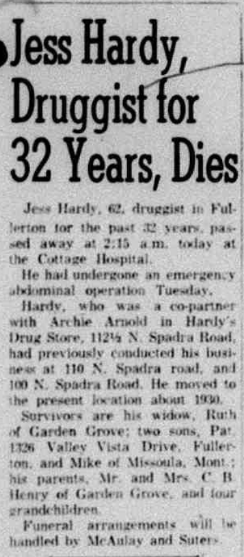
Local drug store owner Jess Hardy died.
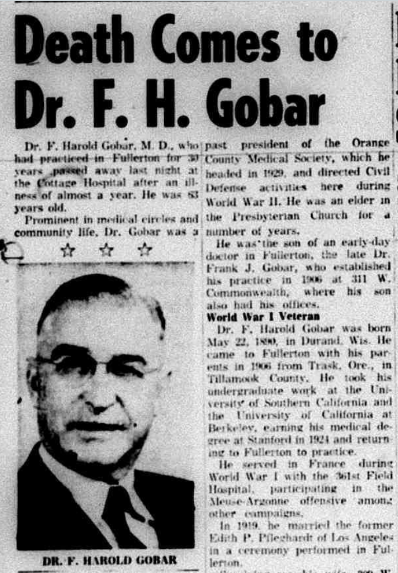
Long time resident Dr. F.H. Gobar died.
Stay tuned for top news stories from 1954!
 Fullerton History