The following is from a work-in-progress about the history of Fullerton. You can support my ongoing research and writing on Patreon.
President Roosevelt Died during his fourth term in office. In World War II, the Axis powers surrendered.
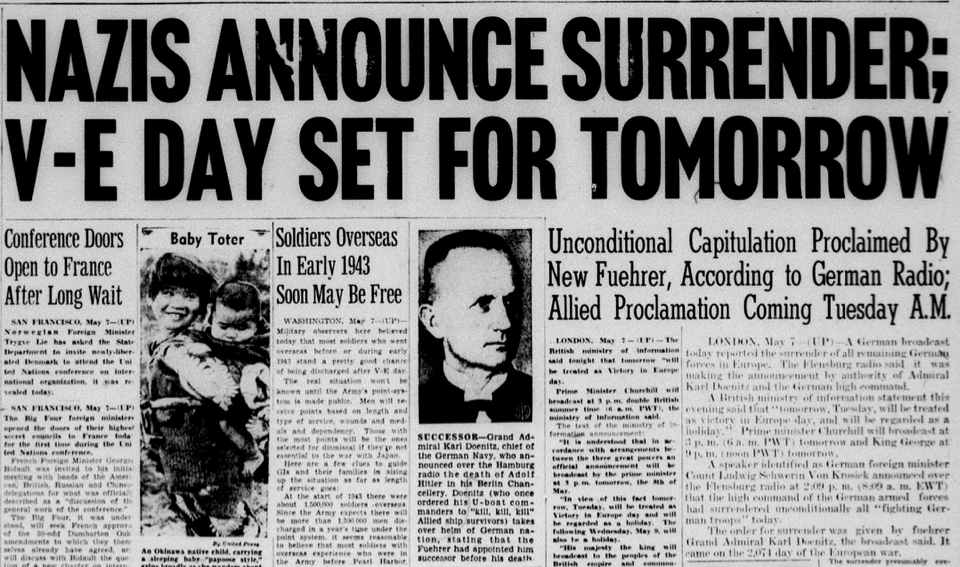
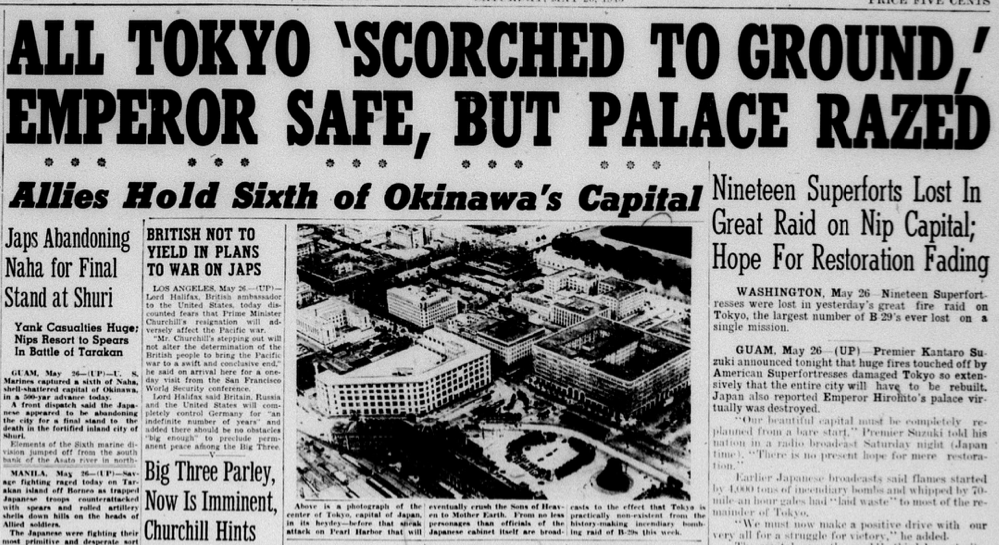
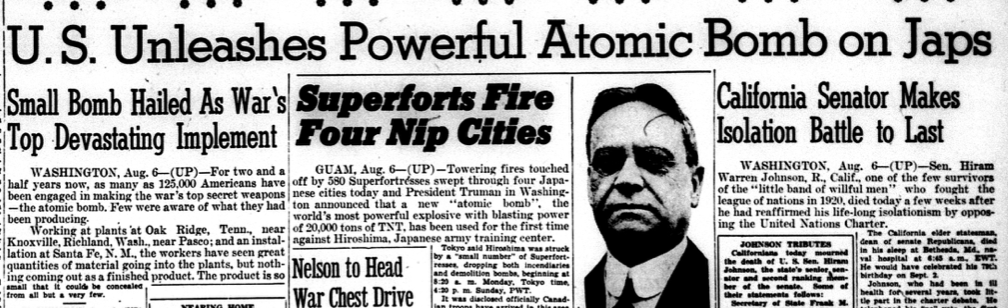
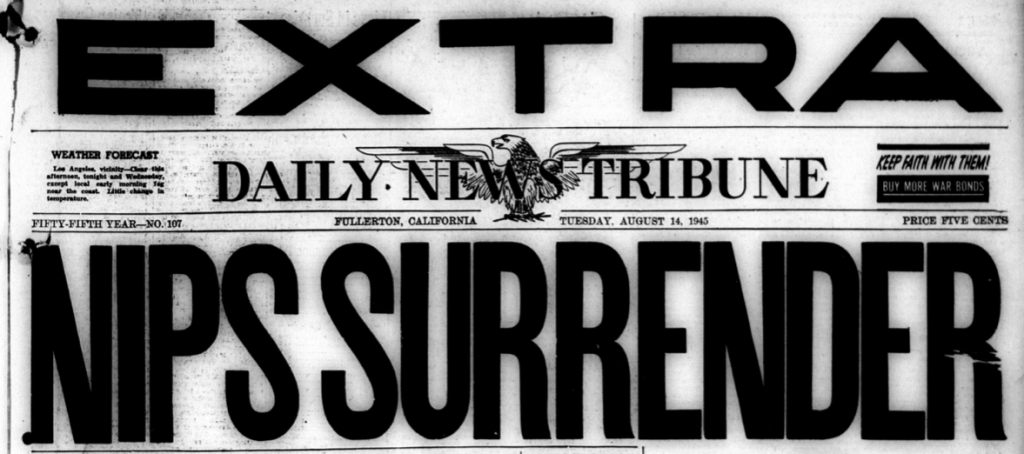
Following intense fire bombing of major cities and the dropping of two atomic bombs, Japan also surrendered. In keeping with the prejudice of the times, many headlines used the racist terms “Japs” and “Nips” to refer to the Japanese.

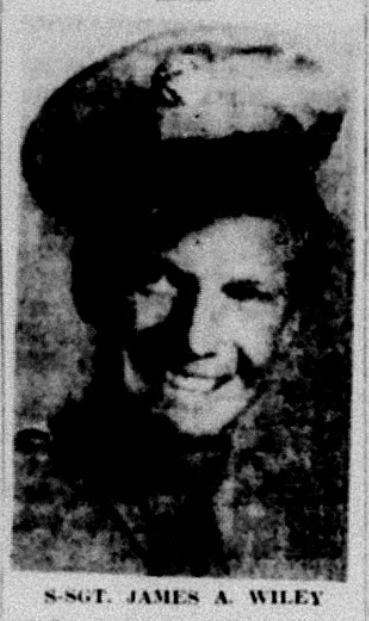
Fullertonians Killed in World War II
The News-Tribune ran an issue which included photos and a bit of information about some of the local boys killed in World War II. Here they are:

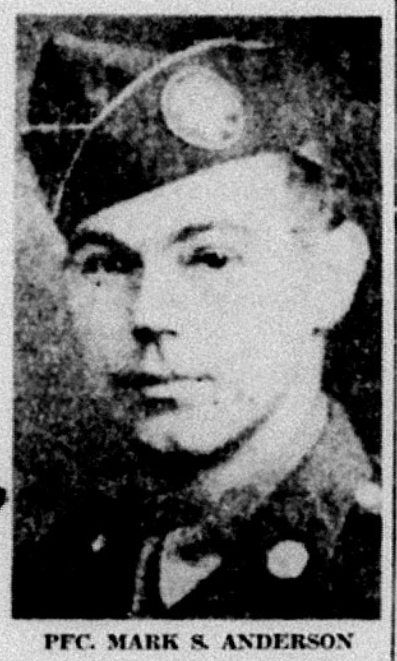

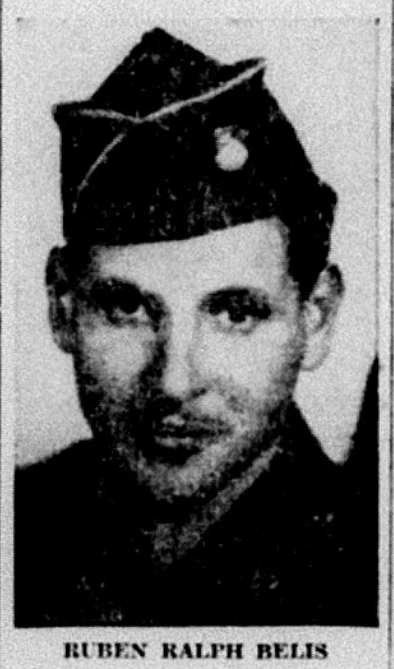
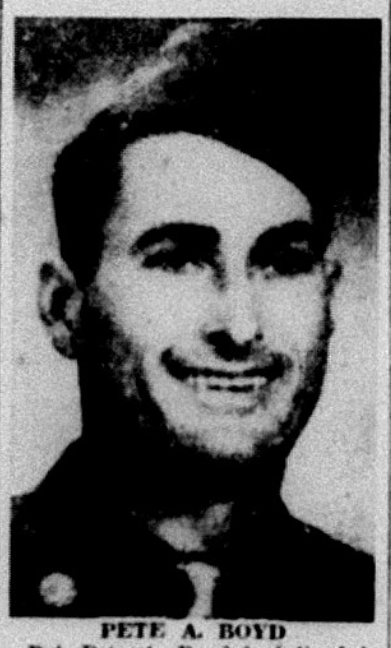
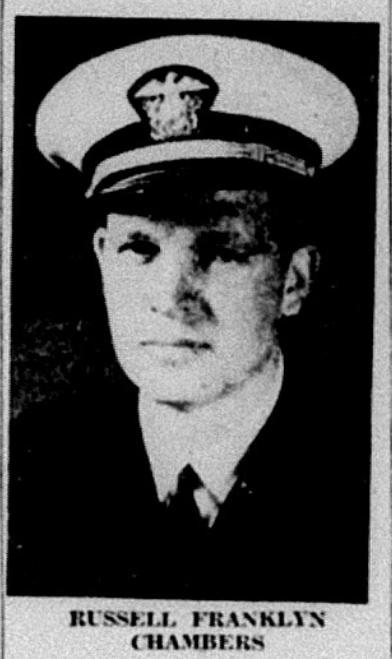
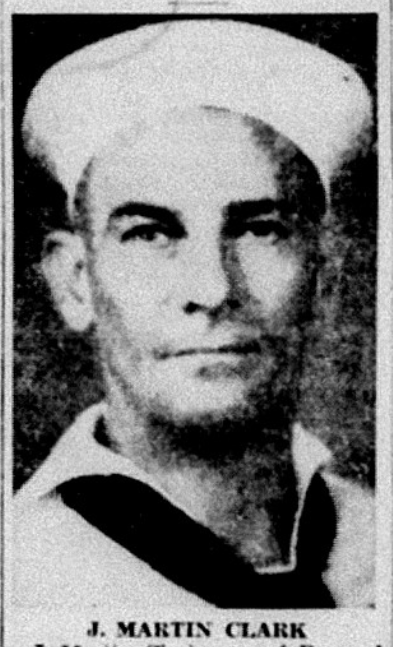

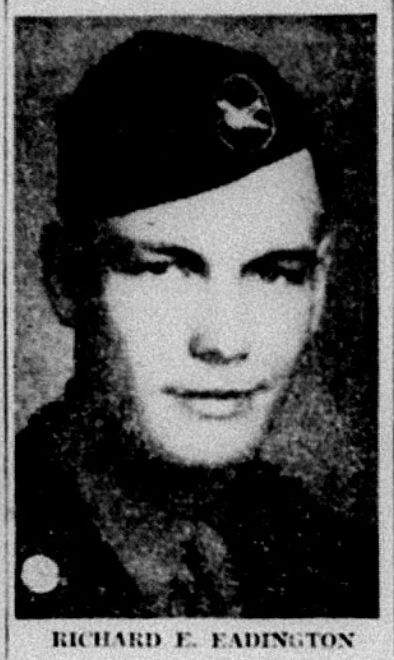

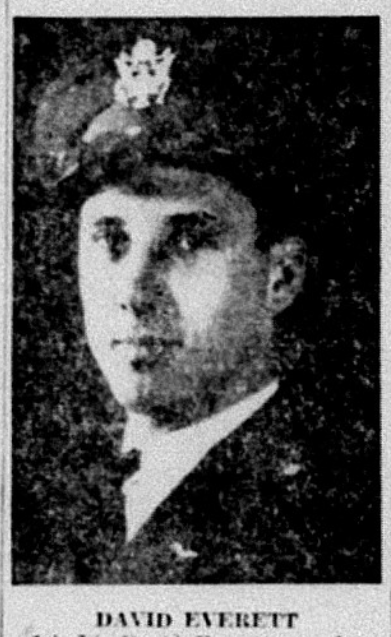


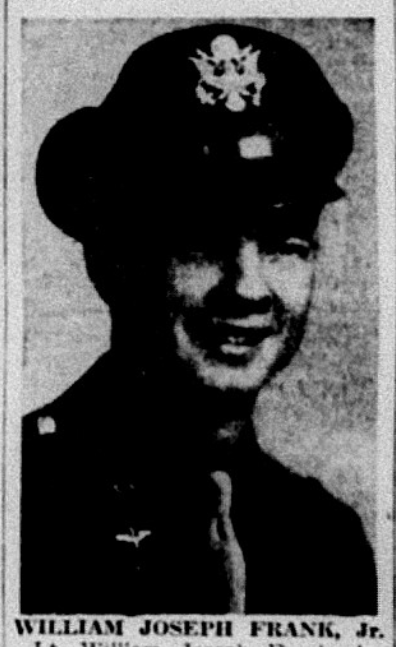
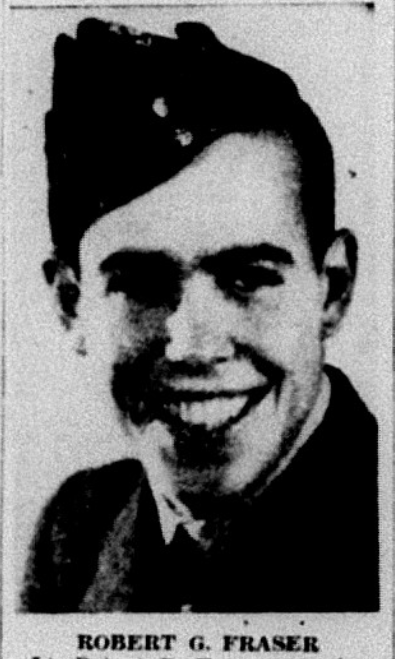
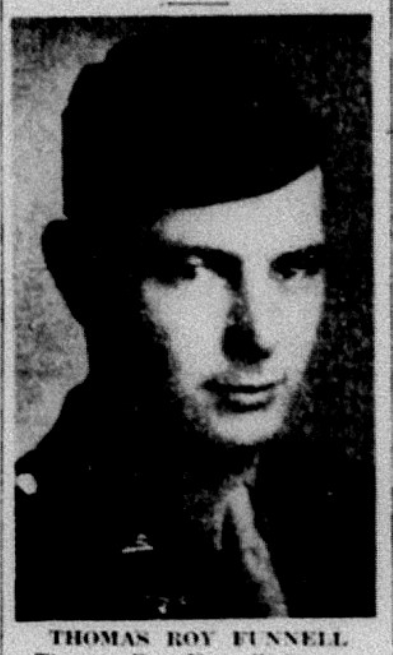


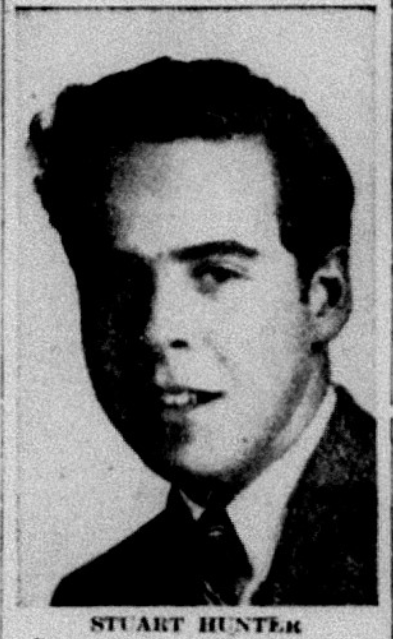
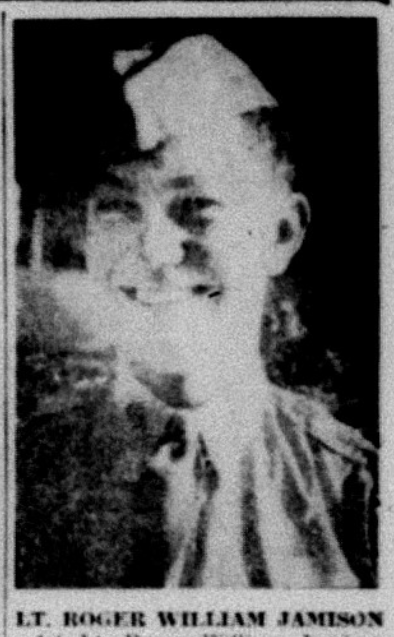
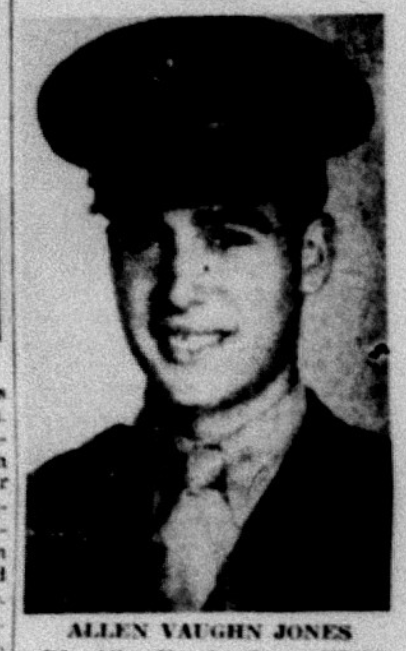
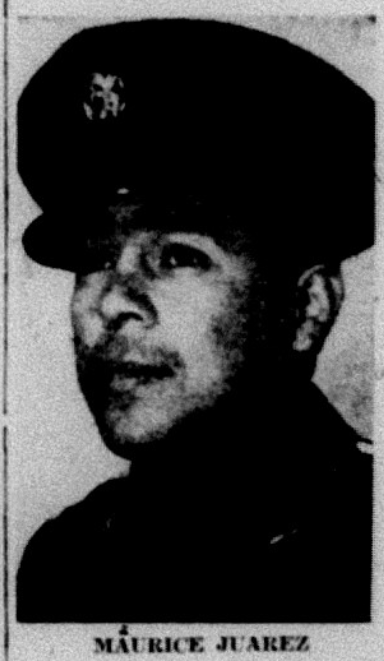
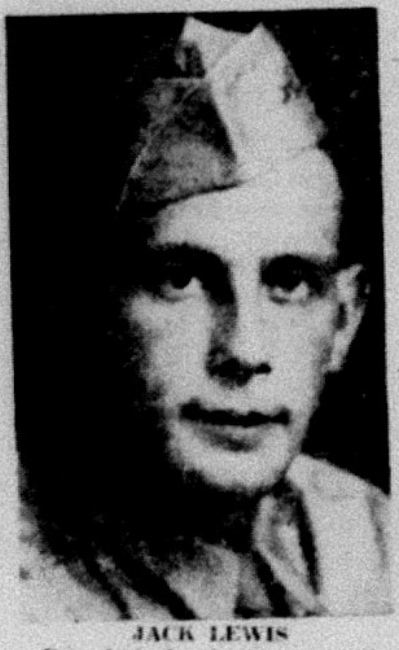

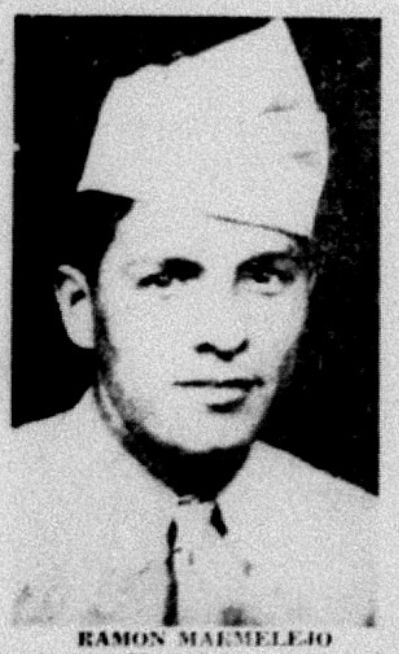
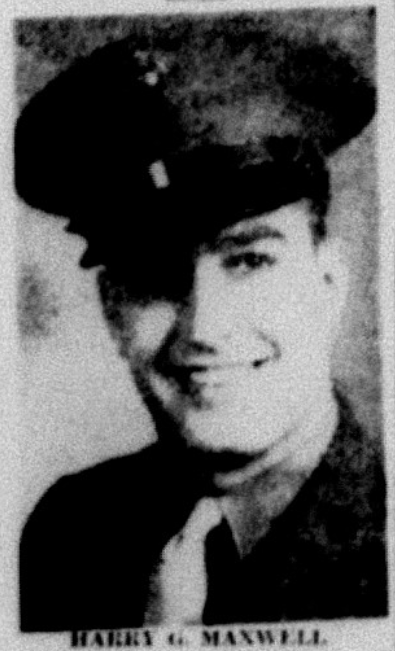

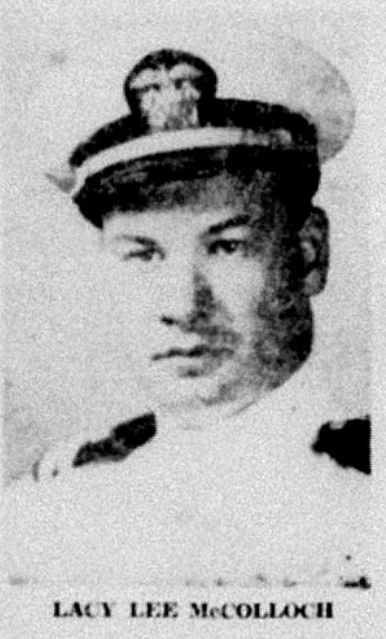
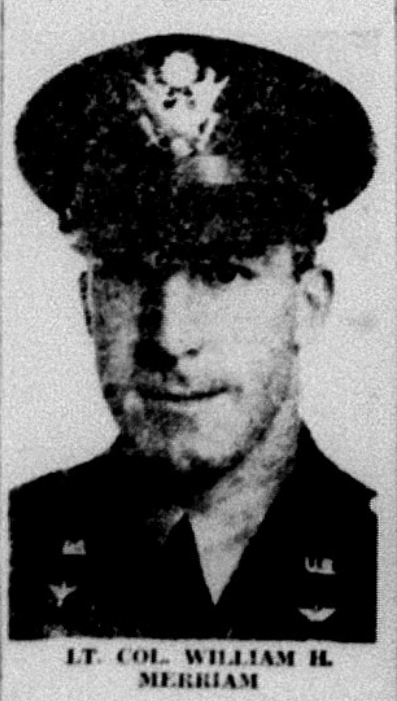

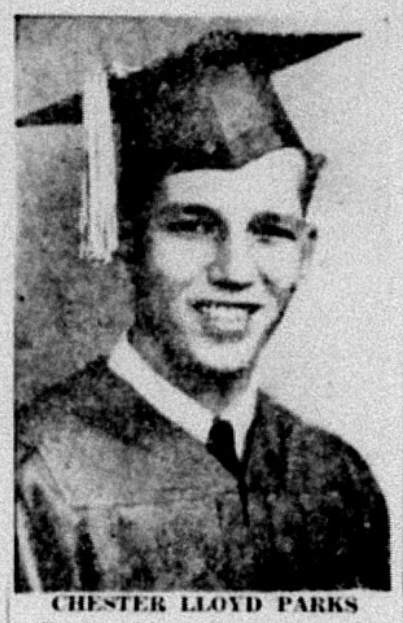
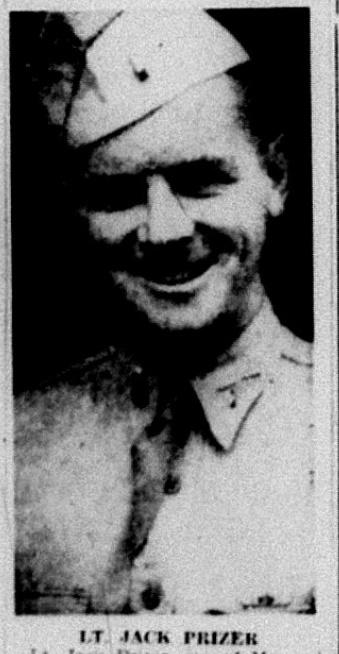

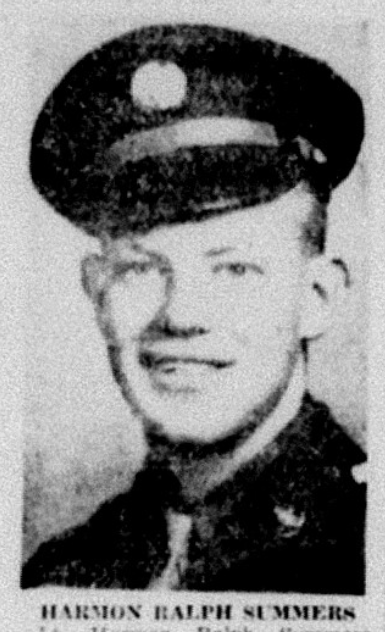
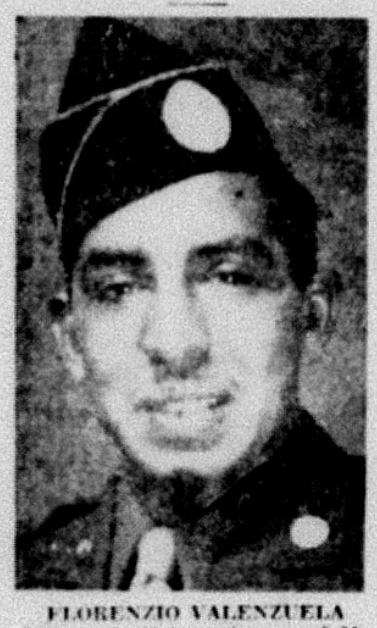
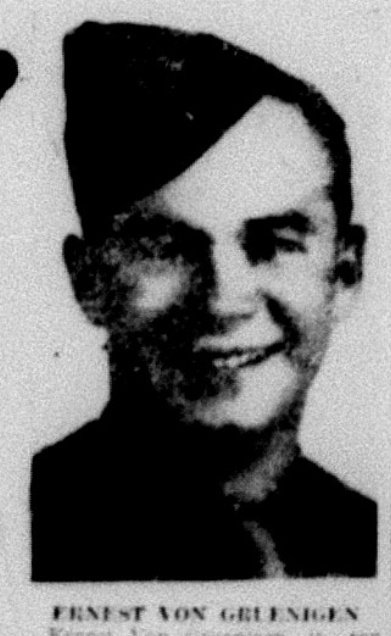
Post-War
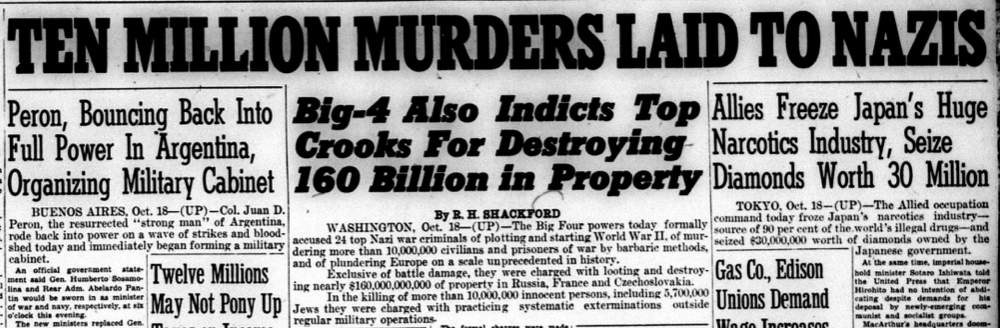
In the aftermath of World War II, a number of Nazi and Japanese military leaders were convicted of war crimes and executed.

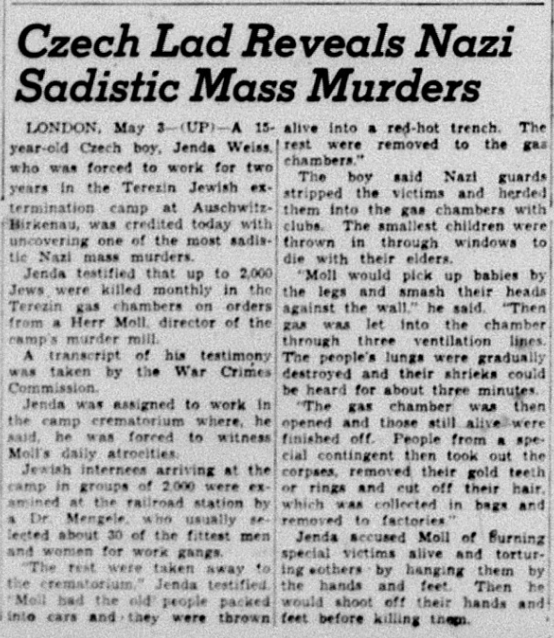
As a result of these trials and other eyewitness testimony, the world learned of the full horror of the Holocaust.


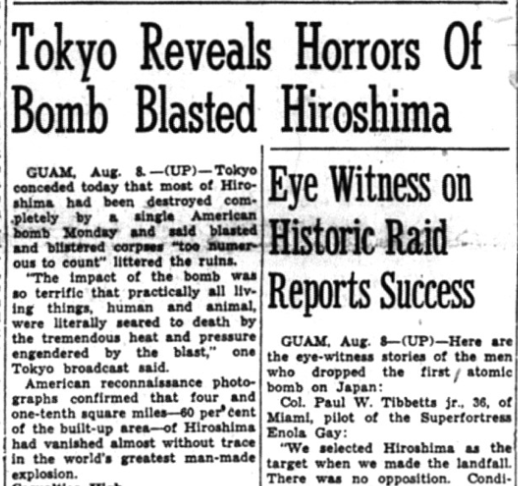
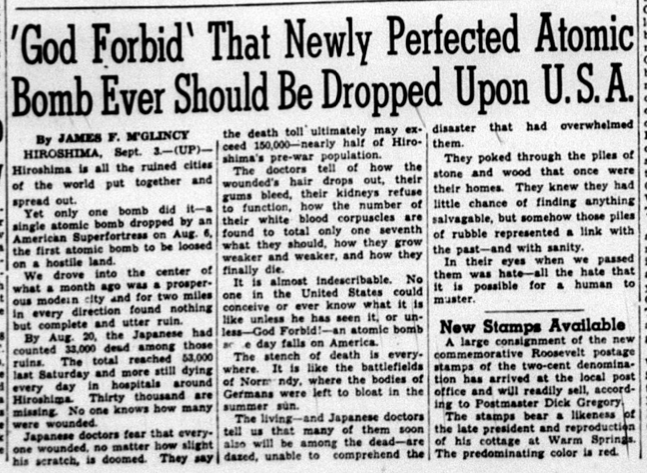
The full horror of the atomic fallout at Hiroshima and Nagasaki was also coming to light.


Because the United States was part of the winning side of the war, its leaders were not punished for mass murder. Instead, General Douglas MacArthur imposed a U.S.-led military government on Japan for six years, during which he clamped down on dissent and censored the media.

Meanwhile, as divisions grew with Russia and the first frosts of the Cold War were felt, President Harry Truman articulated what would become known as the Truman Doctrine:
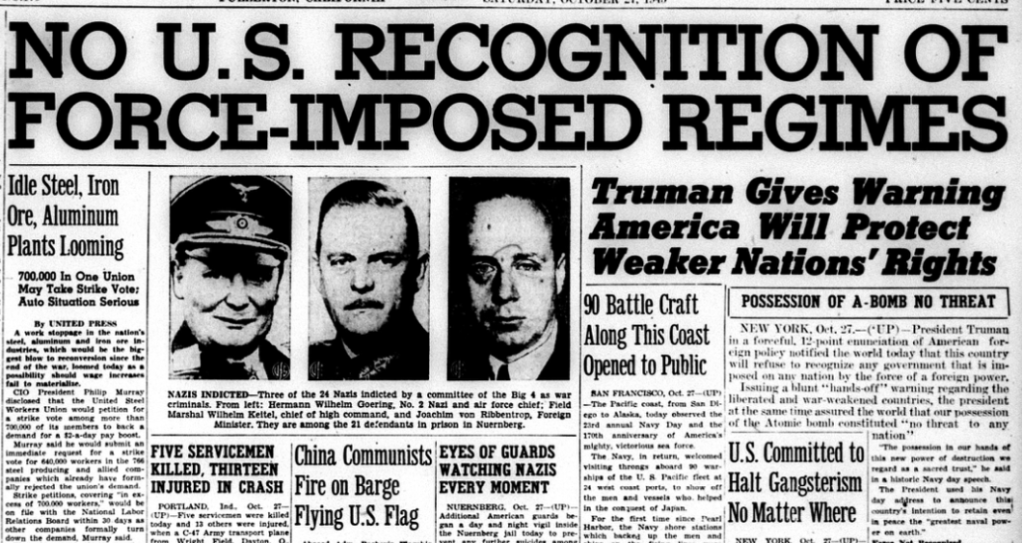
“We shall refuse to recognize any government imposed upon any nation by the force of any foreign power,” Truman said. “In some cases it may be impossible to prevent forceful imposition of such a government. But the United States will not recognize any such government.”
Regimes forced by the United States on other nations (such as Japan) were, of course, not included in this doctrine.
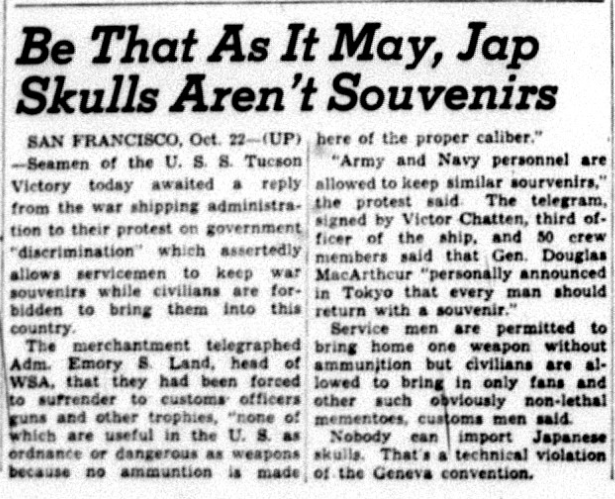
Racism against Japanese people persisted after the war, as shown by the following articles, in which mass sterilization of the Japanese is matter-of-factly proposed, and soldiers have to be told that taking Japanese skulls as souvenirs technically violates the Geneva convention.

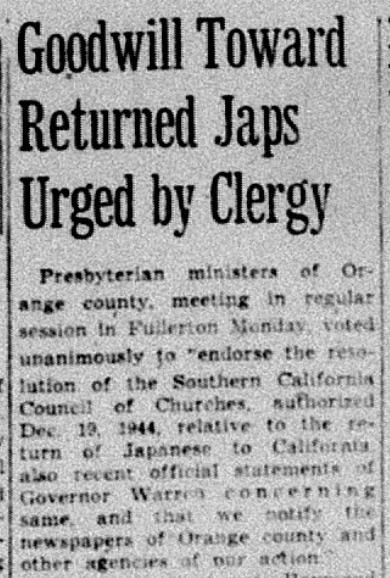
On the homefront, some clergy were urging Americans to extend goodwill to the over 100,000 Japanese Americans who were forced into internment camps during the war when they returned home.
Perhaps the thorniest post-war question was what to do now that the atomic bomb existed–a weapon that could theoretically destroy the world.
On a more positive note, congress passed the GI Bill in 1944, which provided veterans with financial aid for housing, education, and more.
The Labor Strikes of 1945-46
Amid all the jubilation and relief following the end of World War II, some of the largest labor strikes in American history swept major industries like cars, oil, motion pictures, coal, steel, canning, and more. Hundreds of thousands of workers struck–with many of them gaining the kind of strong union powers (like collective bargaining for better wages, benefits, and working conditions) that helped build America’s post-war blue collar middle class.
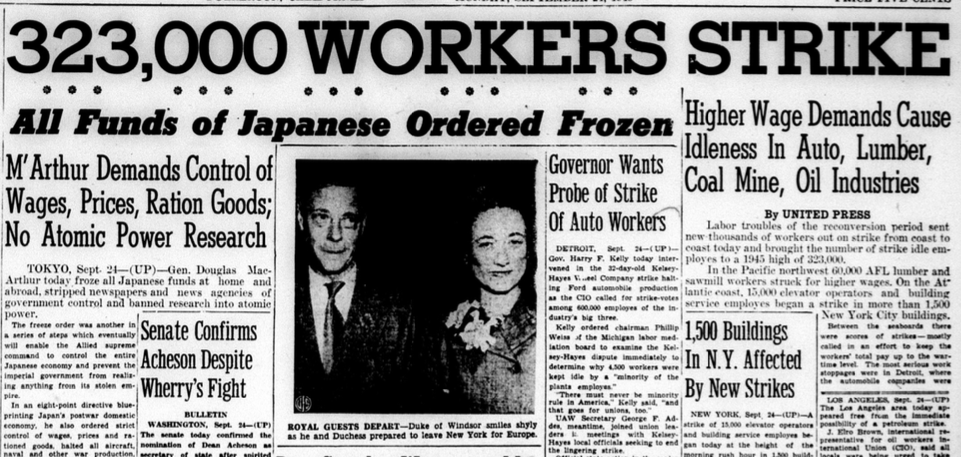


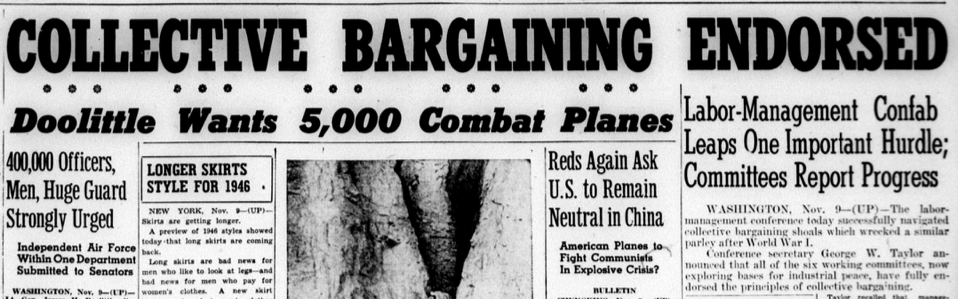
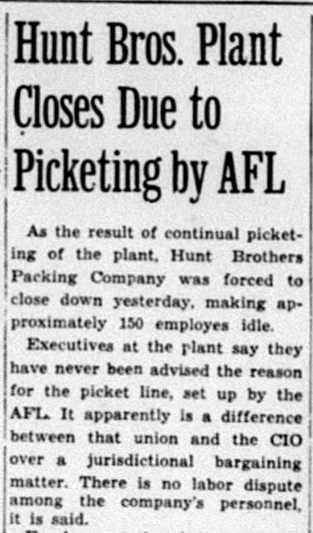
The strikes even came to Fullerton, with picketers closing down the Hunt Bros. Canning factory.
Citrus Industry
The local citrus industry had always relied on foreign labor. During World War II, Nazi war prisoners were taken to camps (including one in Garden Grove) and “hired” out to lower growers.

To help address labor shortages during the war, the Bracero program was created, which was sort of a guest worker program for Mexicans. This program would continue for two decades after the war, until 1964.
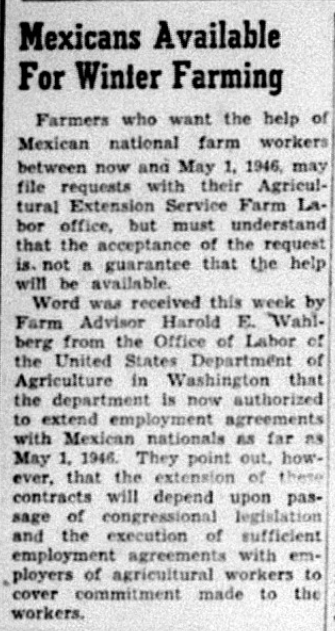
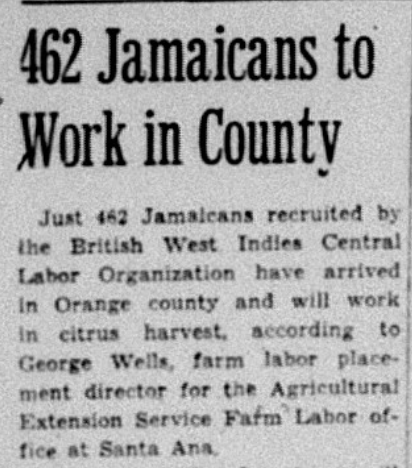
Additionally, hundreds of Jamaican workers were imported to a camp north of Fullerton, near La Habra.
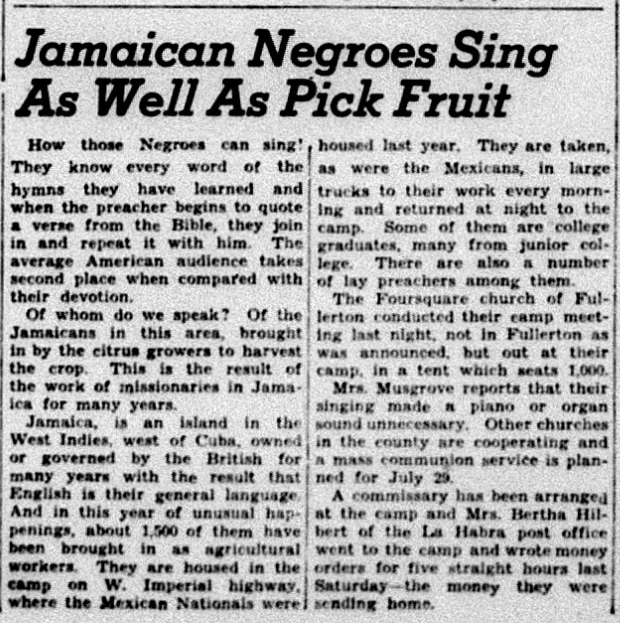
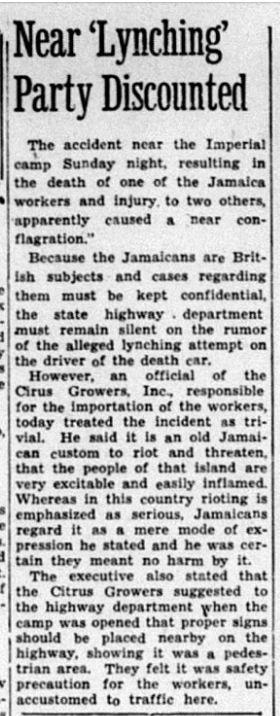
In one disturbing incident, a worker was killed in a conflict that was initially described as a lynching. Fullerton (and Orange County generally) has historically been pretty hostile to Black people.
Culture and Entertainment
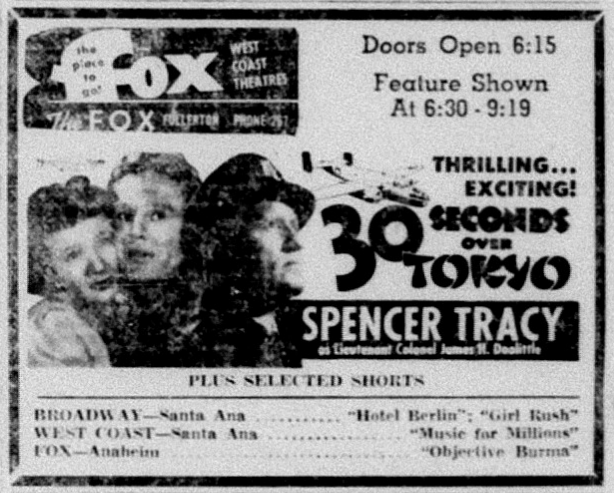
For culture and entertainment, locals went to see movies at the Fox Theater.
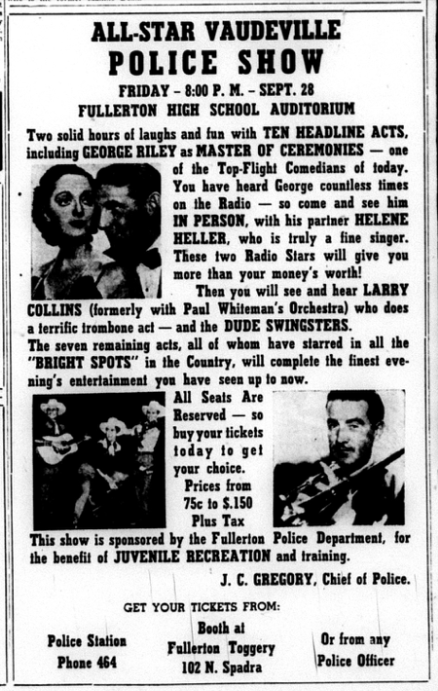
The Fullerton Police Department hosted an annual vaudeville show.
Education
In education news, Stanley Warburton was made the new superintendent of the Fullerton Union High School and Junior College.

The district would eventually purchase a plot of land on which special low-cost housing for veterans and their families was built.

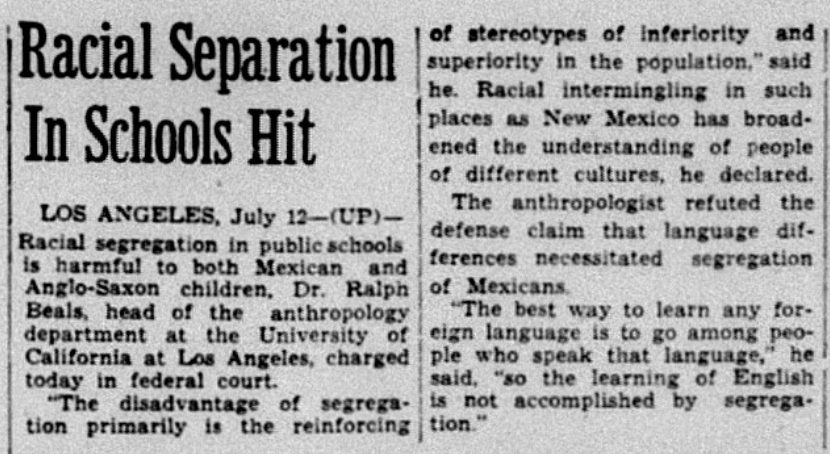
In 1945, segregation of Mexican students from their white peers was being challenged in Orange County in a case that would eventually become Mendez et al v. Westminster.

Deaths
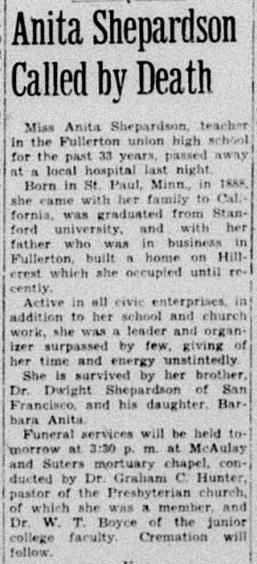
Long time teacher Anita Shepardson died.
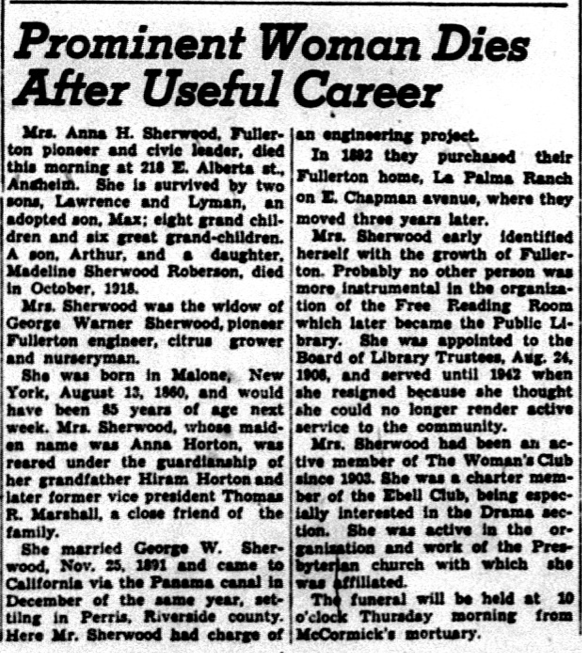
Anna H. Sherwood also died.
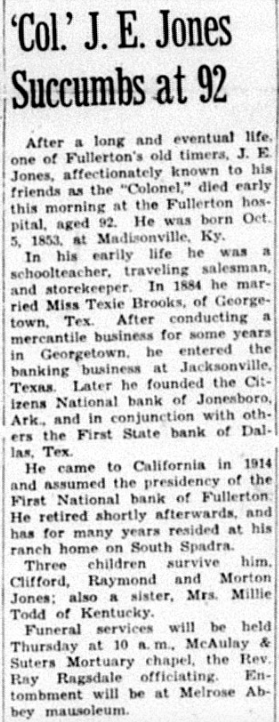
Colonel J.E. Jones died.
Stay tuned for top news stories from 1946!
 Fullerton History