The following is from a work-in-progress about the history of Fullerton. You can support my ongoing research and writing on Patreon.
The Local History Room of the Fullerton Public Library has microfilm from the Fullerton Tribune newspaper stretching back to 1893. I am in the process of reading over the microfilm, year by year, to get a sense of what was happening in the town over the years, and creating a mini archive. Below are some news stories from 1921.
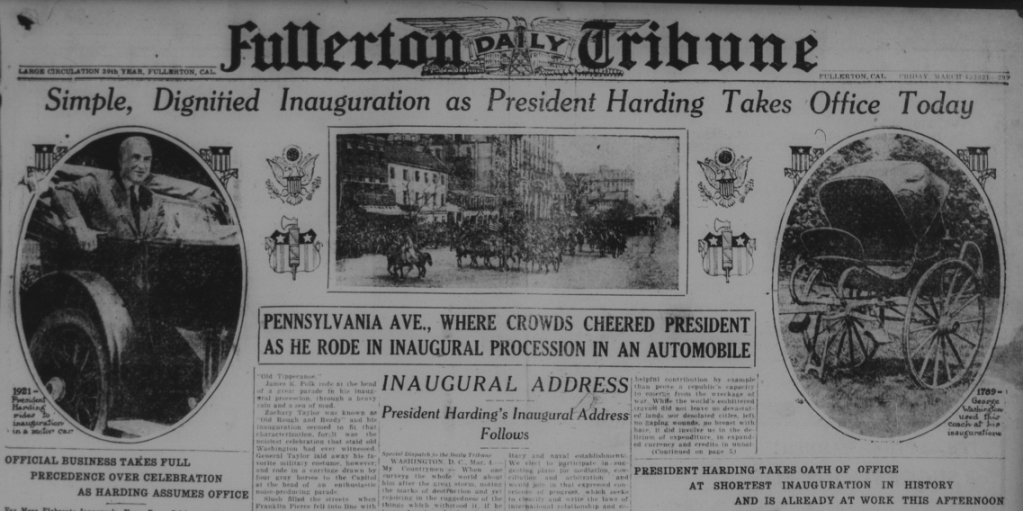
In 1921, Warren G. Harding was inaugurated as president. The governor of California was William Dennison Stephens, Fullerton was represented in congress by Rep. Phil D. Swing, and Fullerton’s mayor was William F. Coulter.
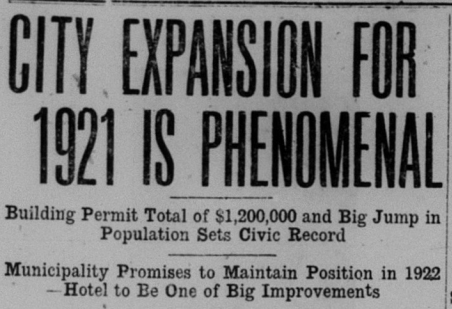
In 1921, Fullerton was growing quite rapidly. The population was 6,600, a big increase over the past two years.
An article entitled “Building Boom On” states, “With five new business buildings under way in the downtown section, a new grammar school and scores of dwellings being erected in the outlying districts the activity in this direction has been most marked, and is entirely gratifying to all who are interested in the city’s progress…In addition to the above the new public work on sewers and lights have given employment to many men, and the water extension construction to begin in the near future, will swell the total to many more.”
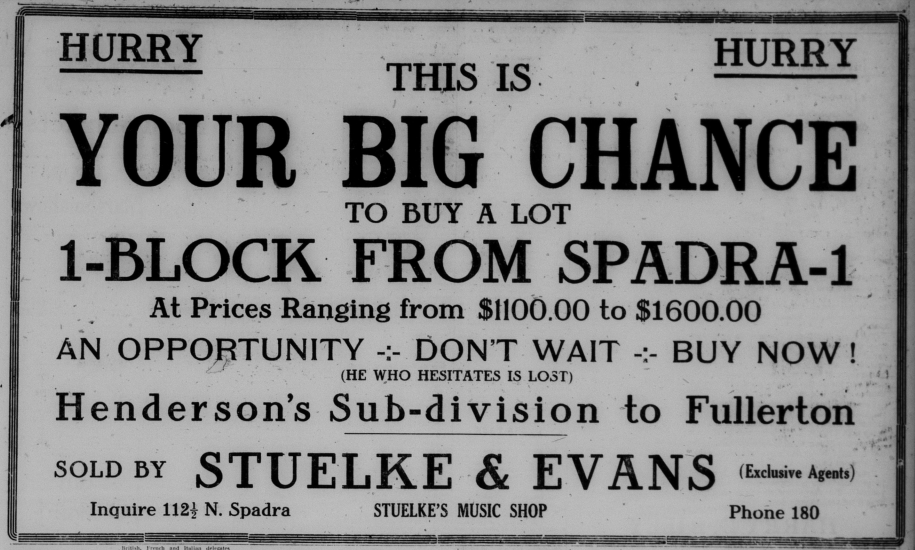
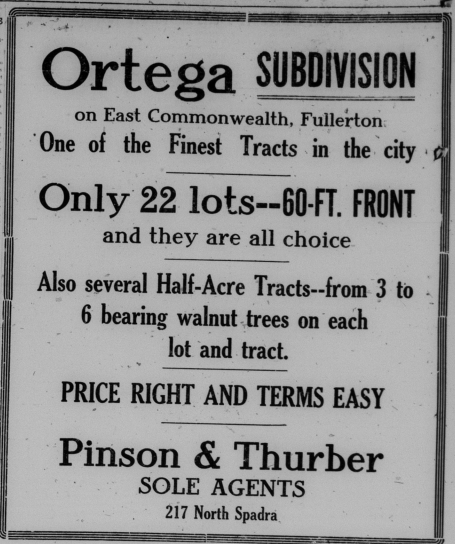
Below are advertisements for some of the new housing subdivisions. In those days, people would often buy a lot and then either build their own house or hire a contractor to build it for them. This was the “Builder Generation” of which my grandpa Glenn (in Wisconsin) was a member. He built most of the houses that his family lived in himself, with a little help from his friends. This Do-It-Yourself ethos is also why many of the older subdivisions have such an interesting and charming variety of homes. The idea of a “master-planned” community in which a single company built all the houses virtually identically would not really take off until after World War II.
Unfortunately, many of the neighborhoods built in Fullerton in the 1920s included racially-restrictive housing covenants that prevented non-whites from purchasing homes there.

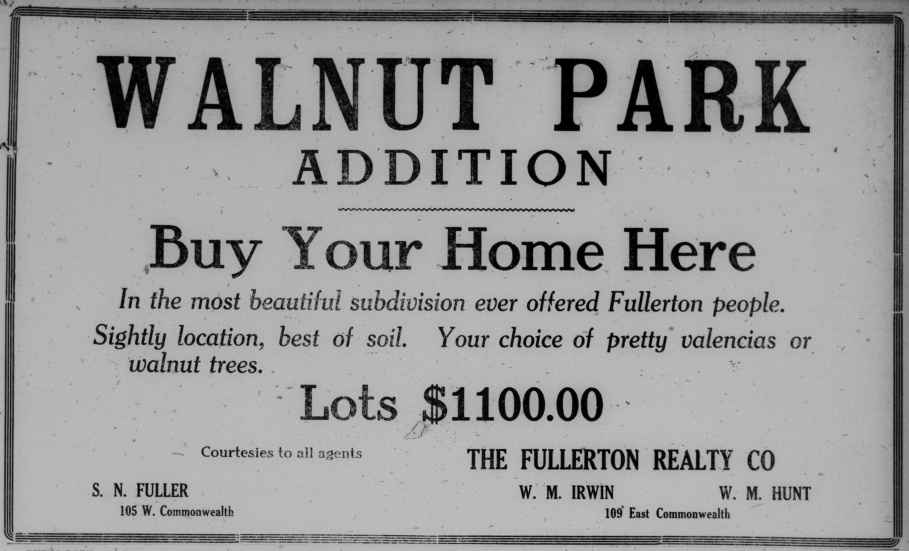
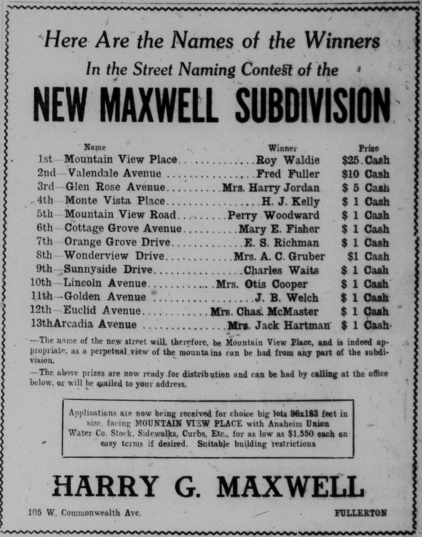
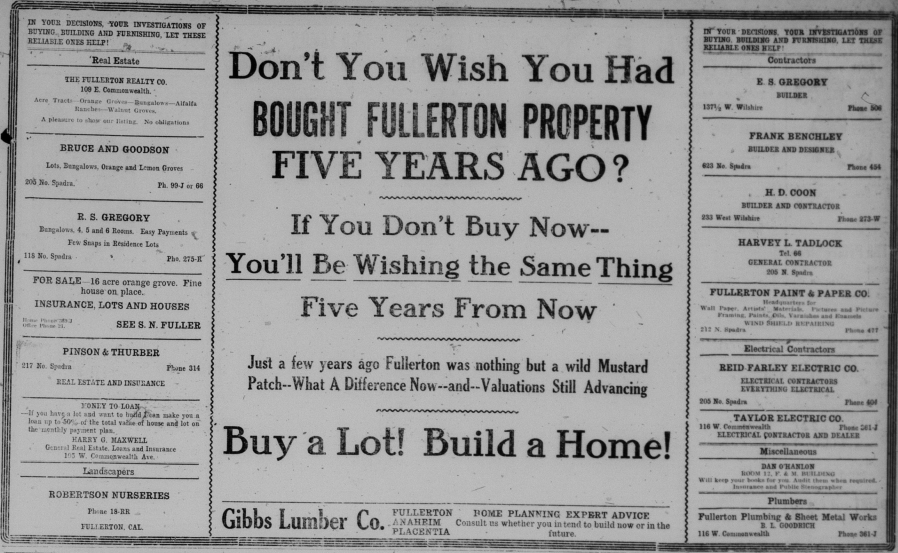


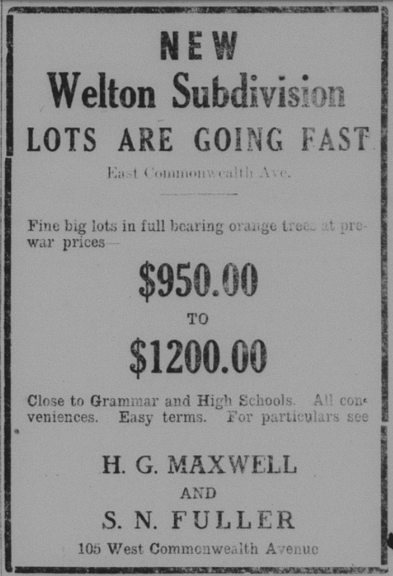

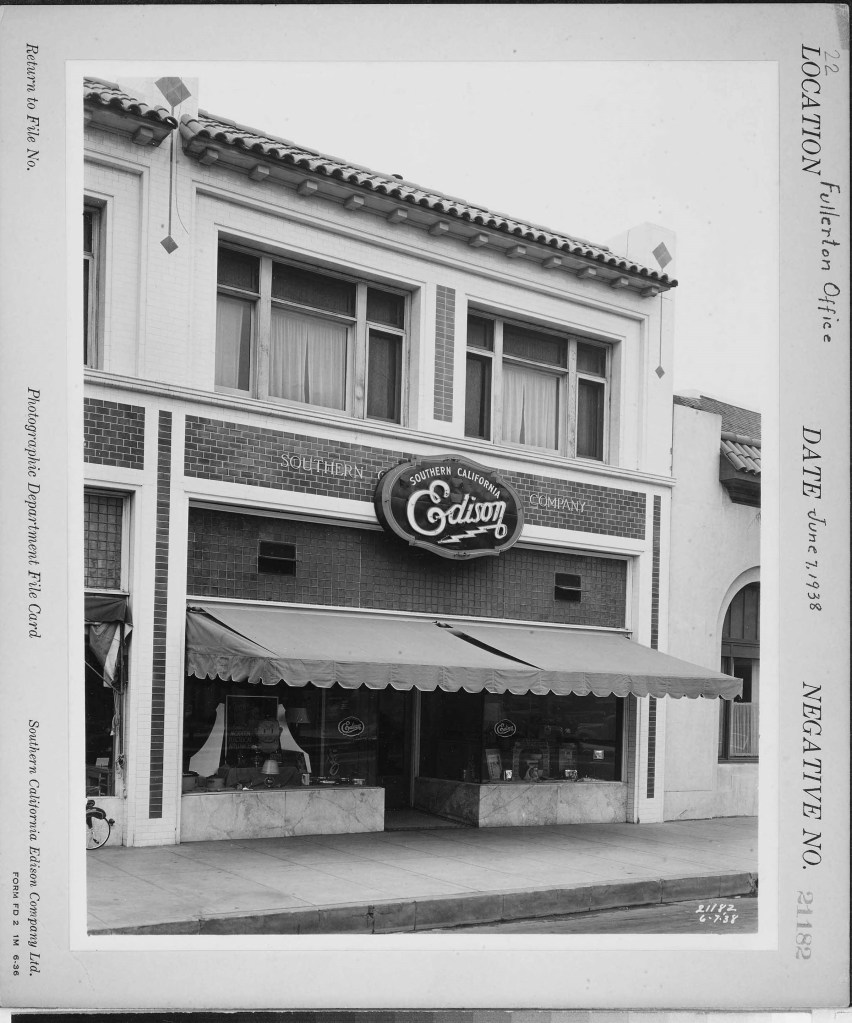
And here are descriptions of some of the new business blocks that were built downtown, along with some photos courtesy of the Fullerton Public Library Local History Room.
A business block on North Spadra just north of the Christian Church, known as the Benchley building:

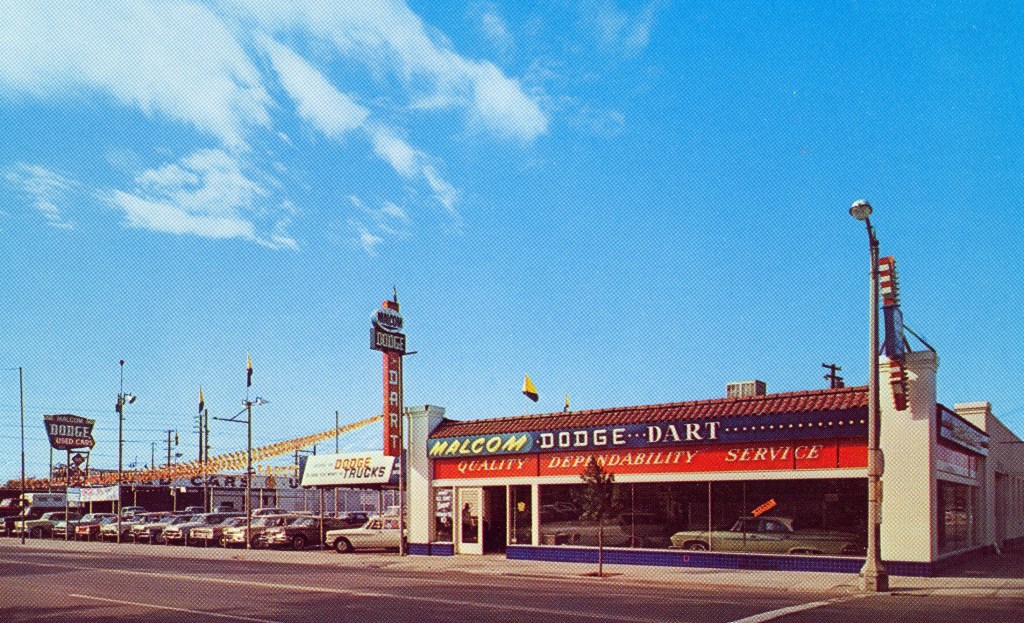
A business block on the southwest corner of Santa Fe and Spadra (now Harbor) where the parking structure is now. This was before the grade separation on Harbor that allowed the trains to pass over, when the street was flat.
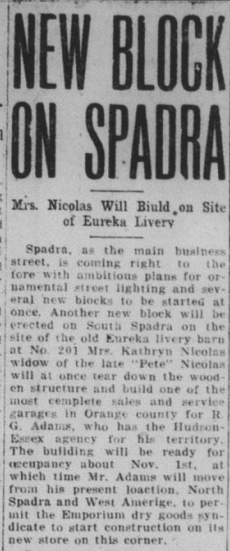
The photo below is of a car dealership on this lot in the early 1960s.
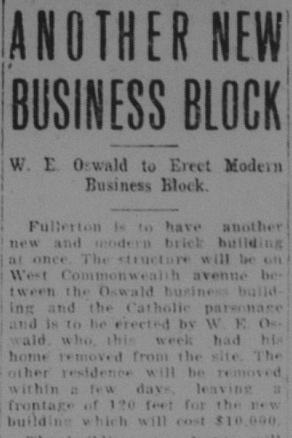
A business block at 136 West Commonwealth that now houses a few bars, including Garcia’s Mexican restaurant.
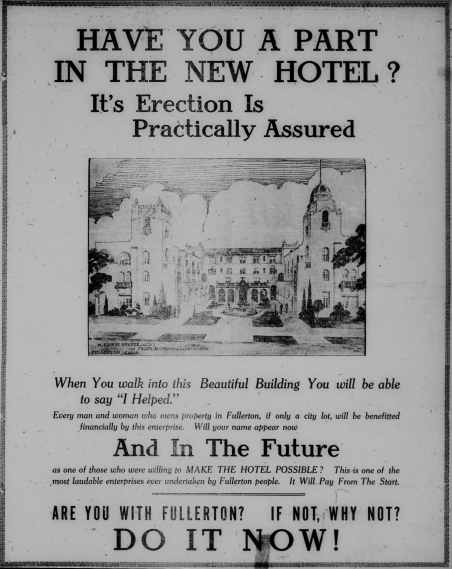
In 1921, Fullerton business owners and residents began raising money for what would become the California Hotel (now called Villa del Sol), which would open in 1923.

Infrastructure
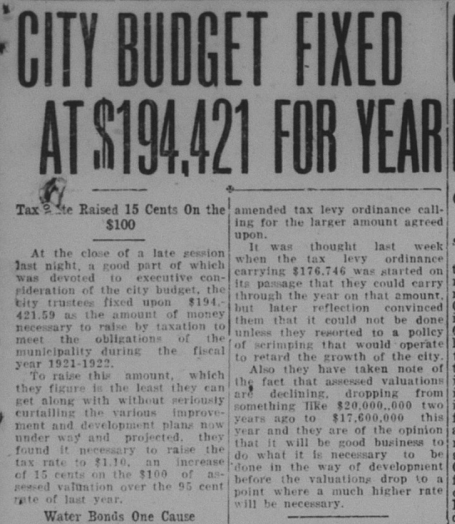
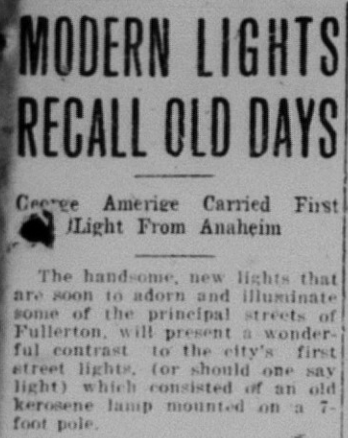
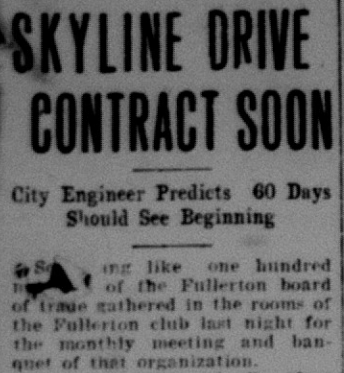
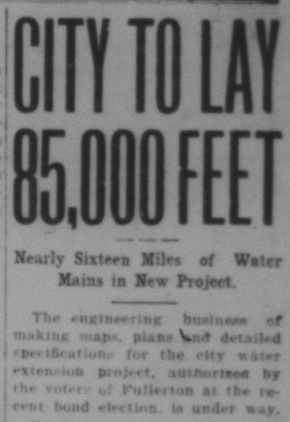
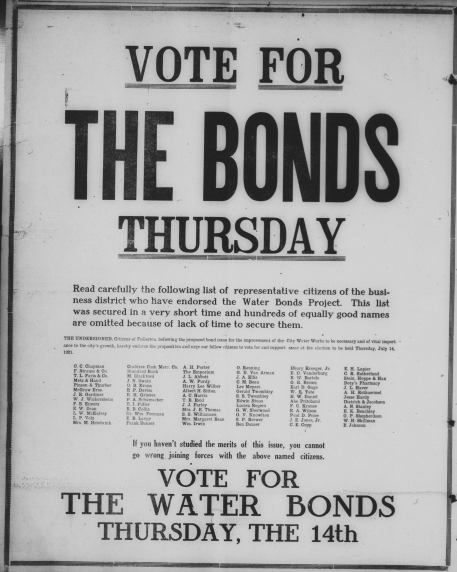
To accommodate all these new homes, businesses, and people, new infrastructure projects were undertaken to expand sewers, water lines, lighting, and more.
Some of this was paid for with regular local taxes, and some was financed by bonds, which were approved by a vote of the people.
Crime
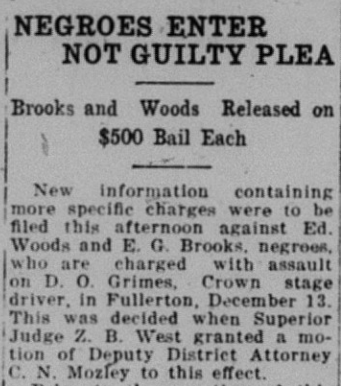
A notable criminal case involved two Black men (E.G. Brooks and Eddie Woods) who allegedly assaulted a bus driver (Darwin O. Grimes) in Fullerton, after he tried to make them sit at the back of the bus.
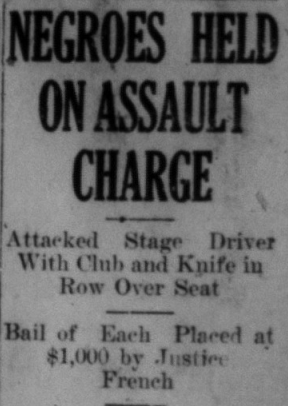
“The altercation which culminated in the attack on the stage driver is said to have arisen when the negroes started to enter the second seat against the wishes of the other passenger and the driver. When the passengers objected to the negroes sitting beside them, it is said that Grimes requested that the negroes sit in the back seat, in which there was ample seating space,” the above article states. “They refused and stated forcibly that unless the driver allowed them to sit where they chose that they would not allow the stage to depart on the trip to Los Angeles.”
After allegedly attacking Grimes, the two men fled and were later arrested. Both men pled not guilty, arguing that they acted in self-defense.
Before the case went to trial, the bus driver Grimes was arrested over a charge that, when he was an immigration official, he abused his power by appropriating liquor seized from an automobile (this was during Prohibition times). He had since been fired.
During the trial, Brooks and Woods said that Grimes “took a belligerent attitude which they interpreted as something of a prediction of physical force in keeping them from occupying a seat in the stage other than the rear one.”
Character witnesses were introduced for both men, among whom were S.E. Reed, Santa Fe Agent in Fullerton, F.C. Johnson, special officer for the Santa Fe, and Joe Murillo, Fullerton officer for the Santa Fe, all of whom were well-acquainted with Brooks through his period of employment as a Santa Fe porter.
This was also one of the first cases in Fullerton in which women served on the jury, having recently been granted that right.
Ultimately, the charges against Brooks and Woods were reduced to simple assault and they each paid a $100 fine.
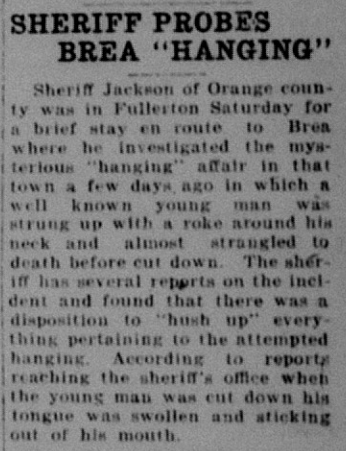
Another crime that went unsolved was the attempted hanging/lynching of a young man in Brea.
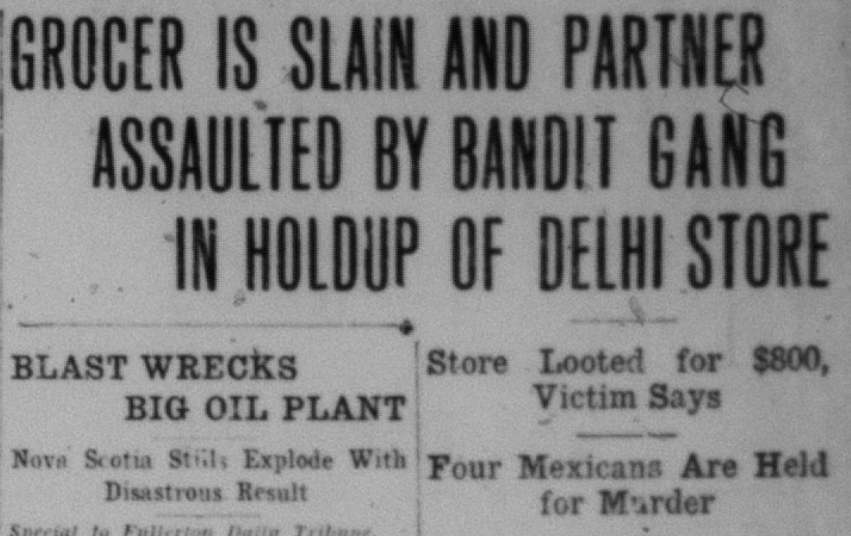
A Syrian grocer named John Khoury was shot and killed in a holdup by a “bandit gang.” Khoury’s uncle Isaac Matouk was seriously wounded in the crime. The men charged with the crime in the Delhi grocery were M. Carillo, Jean Garcia, Julian Castro, and E. Hinajos.
Fullerton’s First Gang
A group of local young men (sons of prominent families) formed a gang (Fullerton’s first gang) called the Hill Rovers. They made much mischief and committed crimes such as petty larceny, breaking and entering, and theft. OC District Attorney Alex Nelson investigated the group.
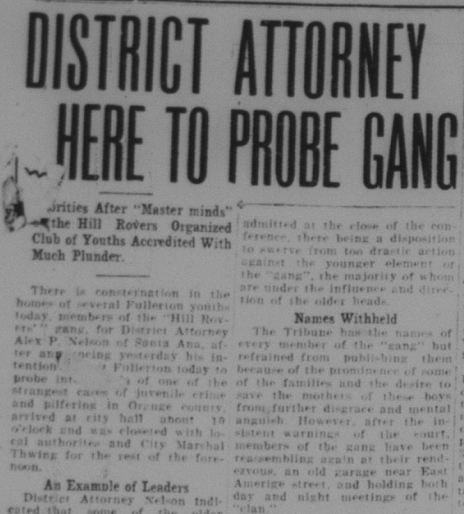
Because the boys were sons of prominent local families, the DA faced pushback about prosecuting them, or releasing their names.

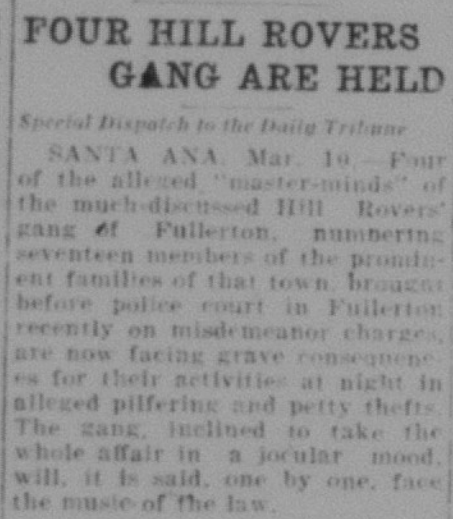
Ultimately, four of the gang members were arrested, and two got five years for their crimes.
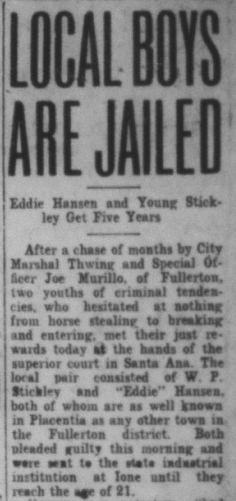
Around this time, town Marshal E.W. Thwing resigned and was replaced by “Monty” Jackson.

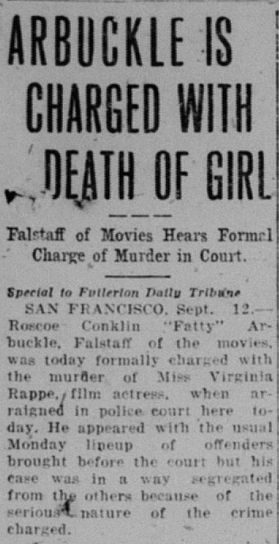
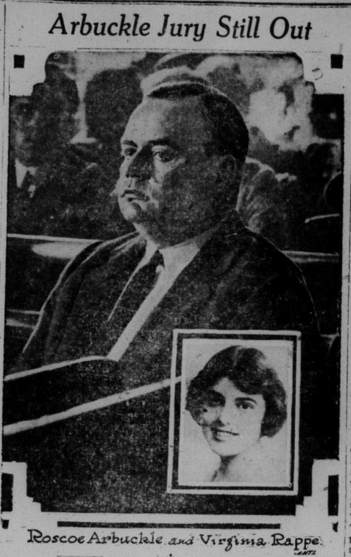
In celebrity crime news, movie star Roscoe “Fatty” Arbuckle was charged with the rape and manslaughter of actress Virginia Rappe. He was ultimately acquitted.
Prohibition
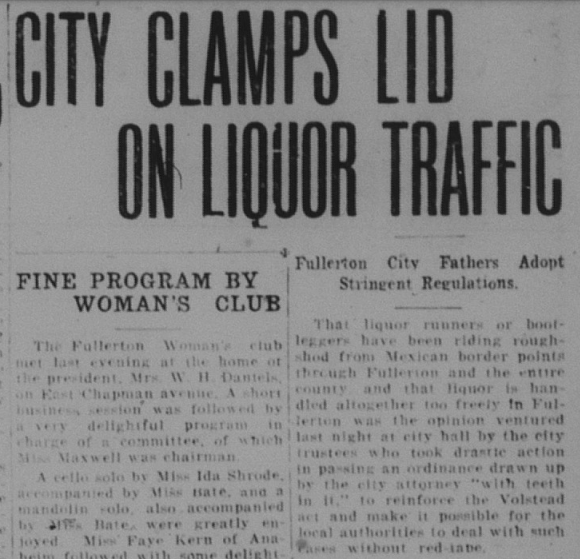
In 1919, Congress passed the 18th amendment to the U.S. Constitution (and the subsequent Volstead Act), banning alcohol. Locally, city council passed ordinances to help with enforcement of the Volstead Act and curb violations of the law.
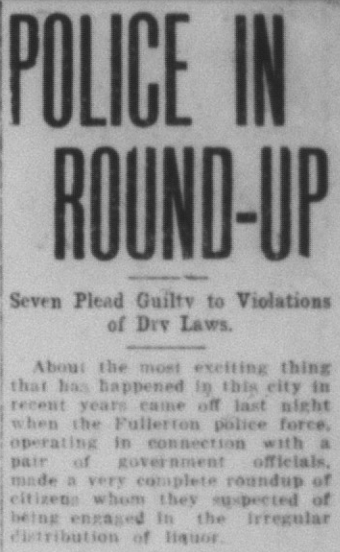
One way that people sought to get around prohibition was to have doctors prescribe them liquor for “medical” reasons. On more than one occasion, police rounded up and arrested such violators, as seen below.
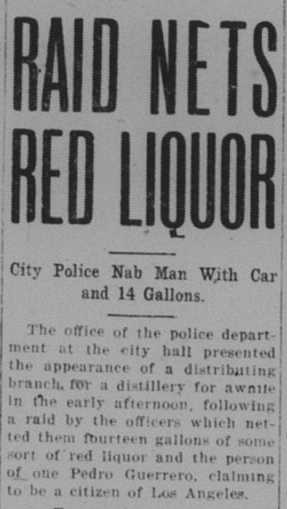
Bootlegging was also fairly widespread, so raids and arrests were not uncommon.
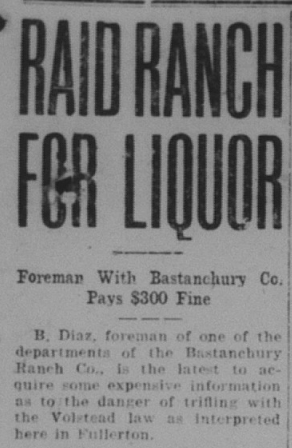
The noted Bastanchury family had made their own wine for years. They were raided and some charged with violating the dry law.
Education
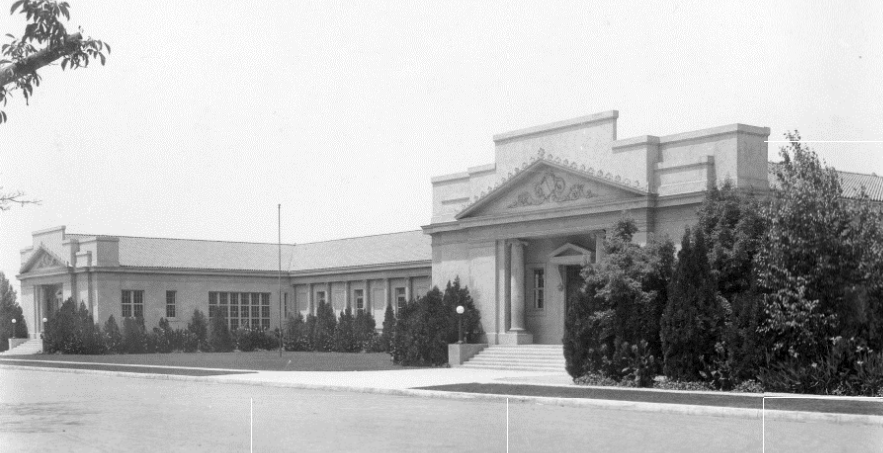
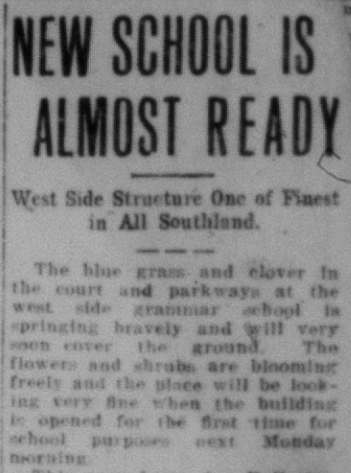
As Fullerton grew, so did the need for new schools. Ford School was built in 1921. There were also additions to Fullerton Union High School throughout the 1920s.
King Citrus
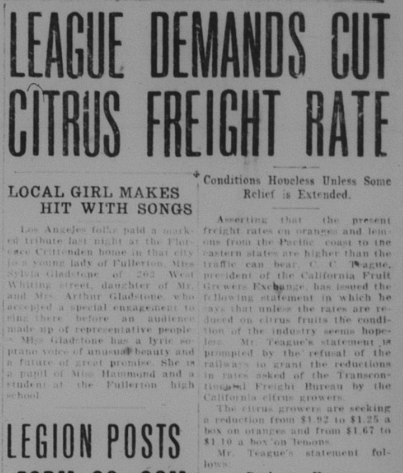
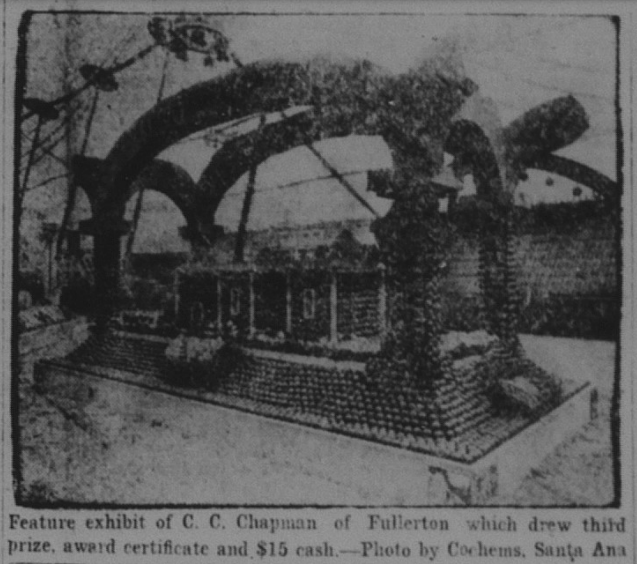
Despite the fact that housing and commercial development was increasing, Fullerton was still a major farming area, with citrus being king of the local crops. Many of the wealthiest local people were Orange ranchers, like Charles C. Chapman. Orange growers large and small often pooled their interests and influence with politicians to get favorable laws, such as tariffs on foreign oranges and lower freight rates.


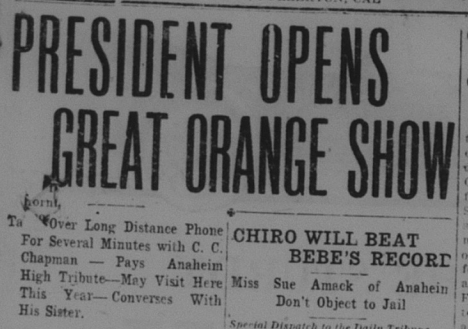
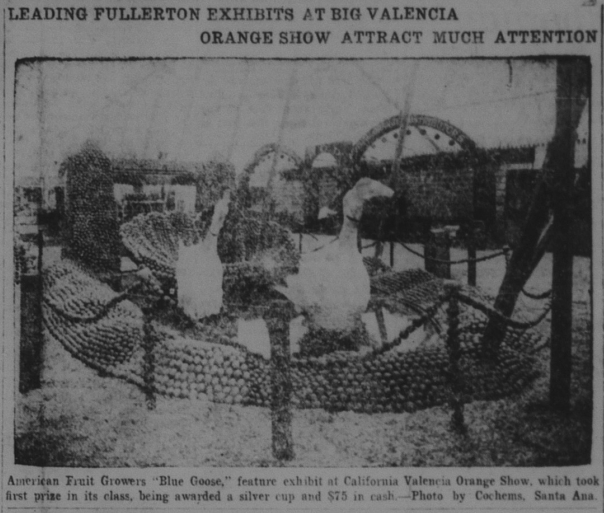
In 1921, local growers held a massive Valencia Orange Show in Anaheim, which featured elaborate exhibits of oranges. Heading up the proceedings was Charles C. Chapman. President Harding even phoned in to praise the Orange Show.
Oil!
Along with oranges, oil was Fullerton’s other main export in the 1920s, with very active fields in the hills north of town that regularly brought in gushers.

While it may be hard to imagine today, Orange County was second in the state of California for oil production.

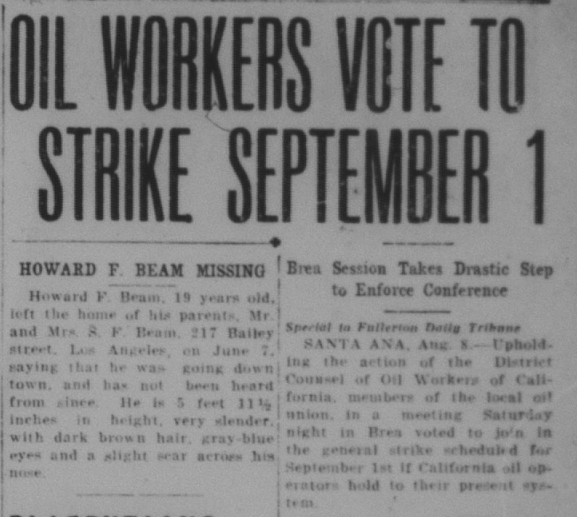
However, in 1921, all was not well in the local oil fields. Unhappy with wages and working conditions, Brea oil workers (who had recently unionized) voted to strike.
More Labor Strikes
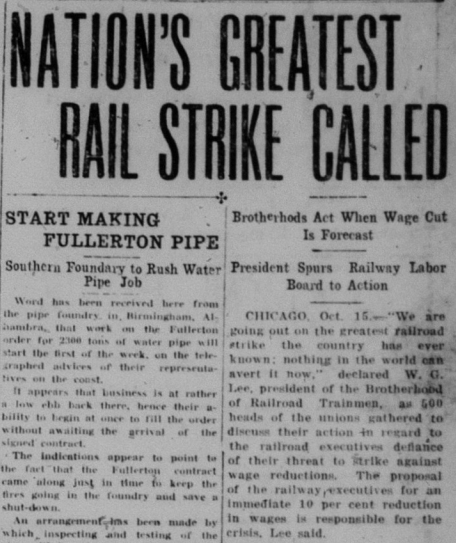
Speaking of strikes, lots of those happened across the United States in the 1920s. Rail workers, coal miners, meat packers, and other workers sought to improve their lot through collective action.

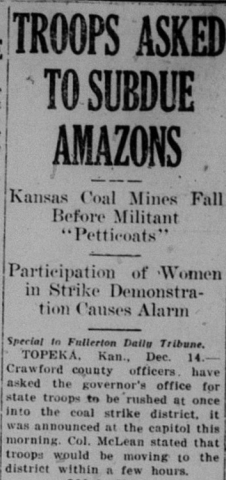
In Kansas, women took active part in the coal miners’ strike. They were called Amazons and Militant Petticoats. With the aid of federal agents and local militia, some were arrested, and some even deported.

Japanese Exclusion
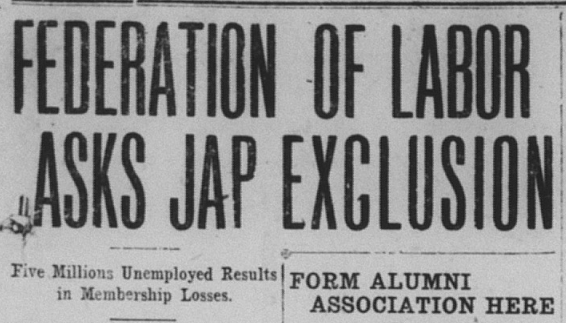
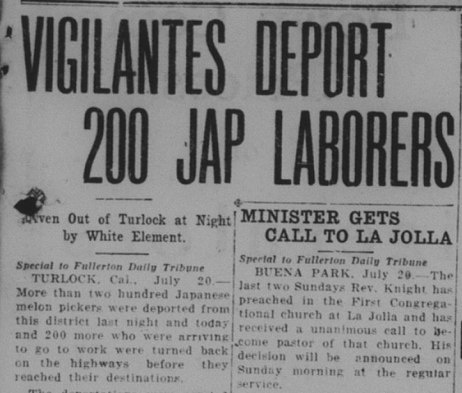
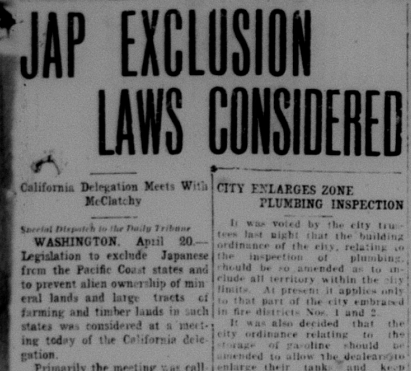
Another major issue in 1921 was Japanese exclusion. In 1913 and 1920, Califonia (along with several other states) passed its Alien Land Laws, which prevented Japanese people from owning or leasing property. Using the familiar mantra “they’re taking our jobs” the American Federal of Labor asked for federal Japanese exclusion.

Sports
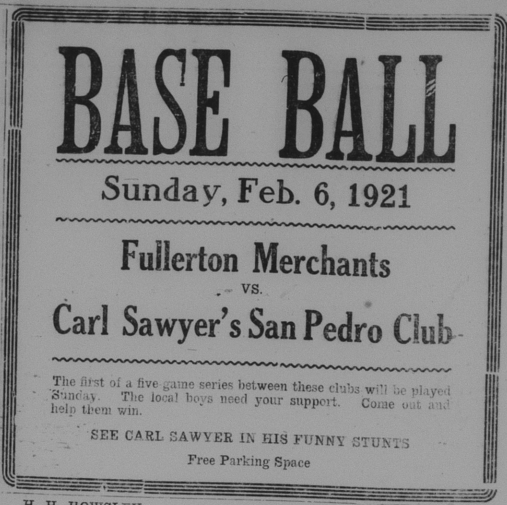
In sports news, baseball was quite popular locally. The Indians mentioned below do not refer to the Fullerton High School Indians, but rather the Indians of the Sherman Indian School in Riverside, which still exists today.

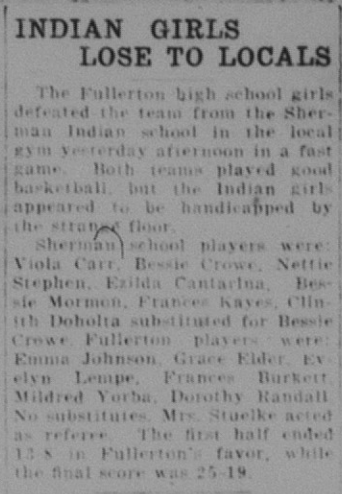
In addition to high school baseball, teams would play at the field on what is now Amerige Park.
Culture and Entertainment
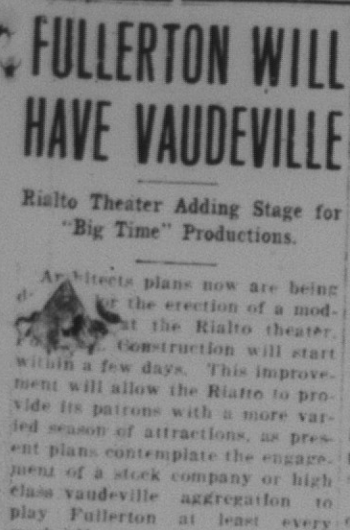
In 1921, the Fox Theater had not yet been built. Locals would go see movies and Vaudeville shows at the Rialto Theater downtown.
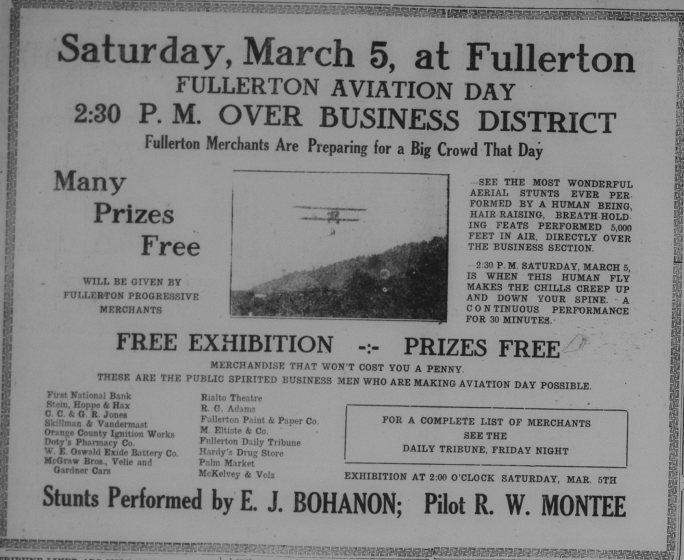
On March 5, Fullerton held an “aviation day.”

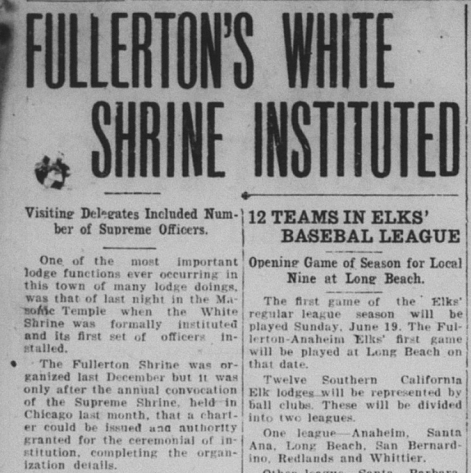
In 1921, Fullerton’s new Masonic Temple (now the Springfield Banquet Center) was formally inaugurated and its first officers chosen. In the early 20th century, fraternal organizations like the Masons and Odd Fellows were very popular.

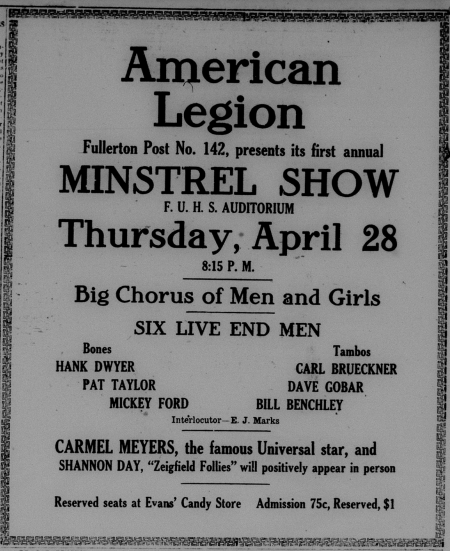
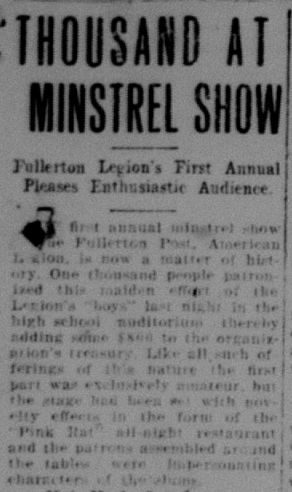
The local post of the American Legion held its annual Minstrel Show, which featured white performers in blackface. About a thousand people attended.
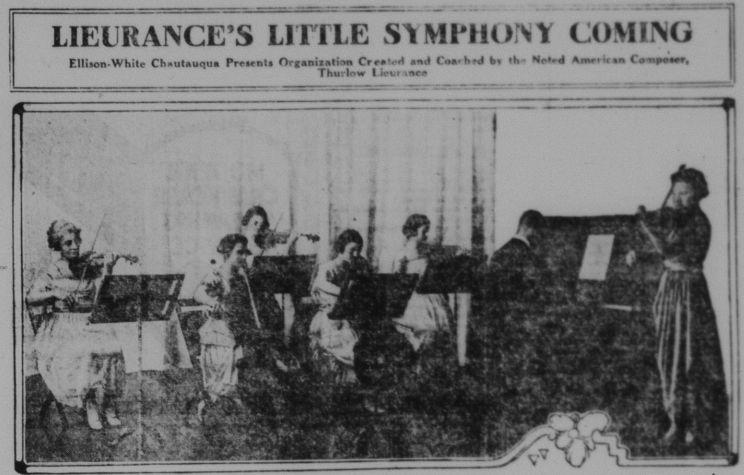
Another popular form of entertainment in the 1920s was the traveling Chautaqua show, which featured musical performances, speeches, and more. The show came through Fullerton every year.

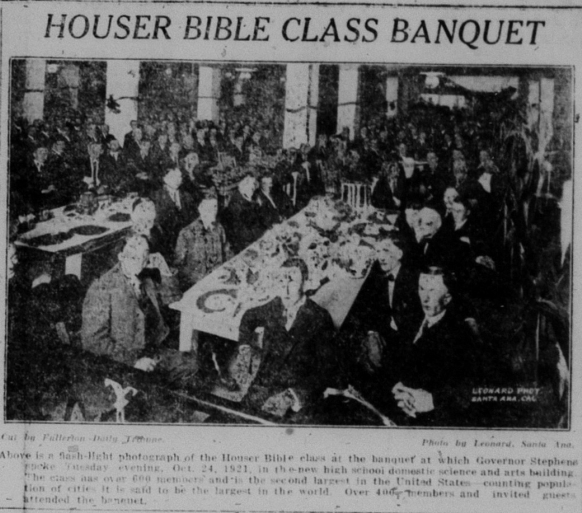
In 1921, a popular gathering place for men was the Houser Bible class, which brought in hundreds of members.

Medicine and Health
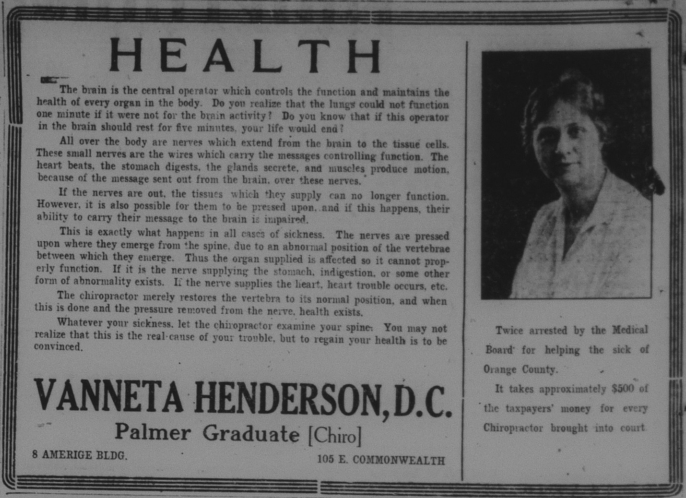
In medical news, local chiropractor Vanetta Henderson faced charges for violating the Medical Practices Act. At this time, chiropractors were viewed with skepticism. I guess not much has changed.


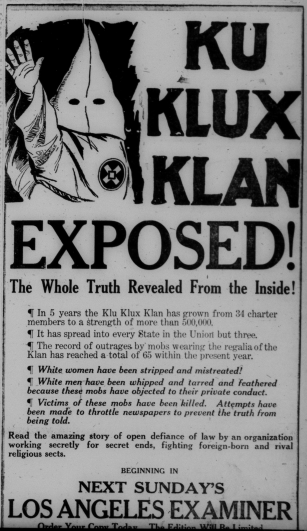
Ku Klux Klan
In the early 1920s, the Ku Klux Klan saw a massive resurgence, with a peak membership of around 5-6 million, with many in states outside the south. The Klan achieved real social and political power. It would ultimately make its way to Anaheim and Fullerton. Stay tuned for more on this.
Miscellaneous
Below are some miscellaneous stories that I could not fit into a category:
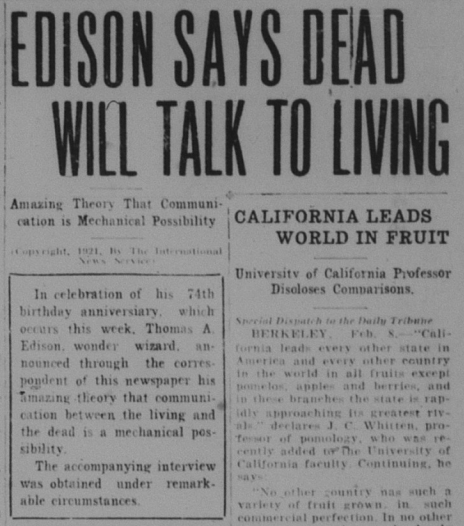
Inventor Thomas Edison made the crazy claim that he could use a machine to commune with the dead.
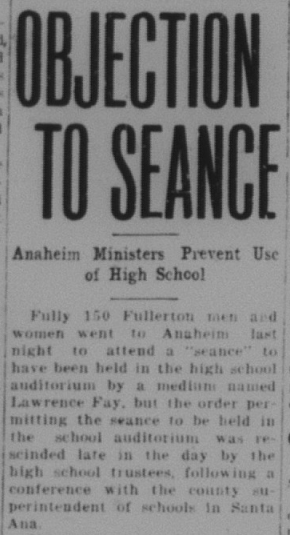
Speaking of communing with the dead, local ministers successfully blocked the use of Anaheim High School for a seance.
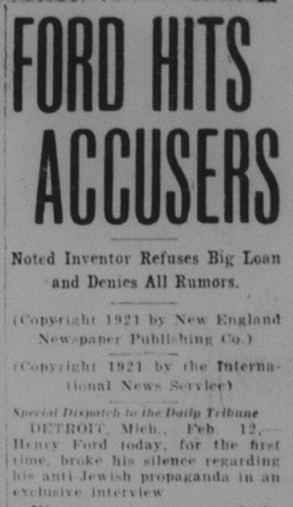
In 1921, Henry Ford was not just a successful car manufacturer. He was also a notorious anti-semite, regularly publishing such propaganda in his local newspaper and a series of pamphlets called “The International Jew: The World’s Problem.”
Walter L. Thales, leader of a vegetarian cult in Placentia, passed away.

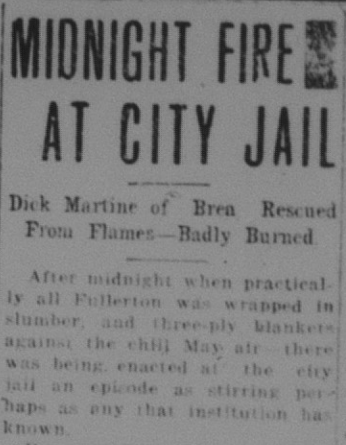
A midnight fire broke out in the city jail.
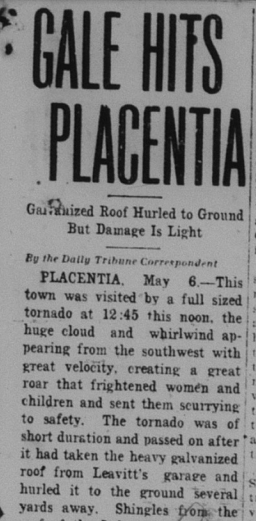
And a small tornado (very rare for these parts) hit Placentia.
National News
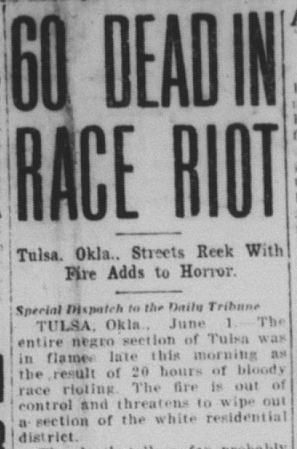
1921 was the year of the horrific Tulsa race massacre, a two-day-long white supremacist terrorist massacre that took place between May 31 and June 1, during which, according to Wikipedia, “mobs of white residents, some of whom had been appointed as deputies and armed by city government officials, attacked black residents and destroyed homes and businesses of the Greenwood District in Tulsa, Oklahoma. The event is considered one of the worst incidents of racial violence in American history. The attackers burned and destroyed more than 35 square blocks of the neighborhood—at the time one of the wealthiest black communities in the United States, colloquially known as Black Wall Street.”
International News
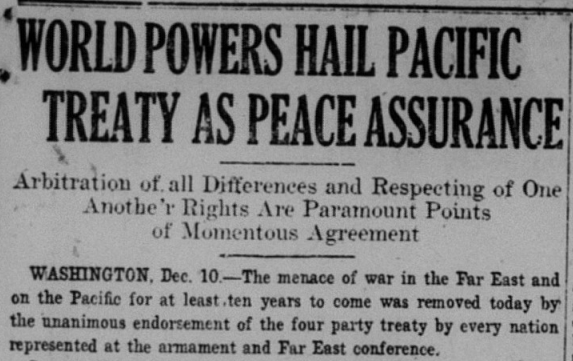
In an effort to prevent another World War, several nations signed a treaty to limit construction of warships. This became known as the Four-Power Treaty. Unfortunately, their efforts did not prevent another World War.
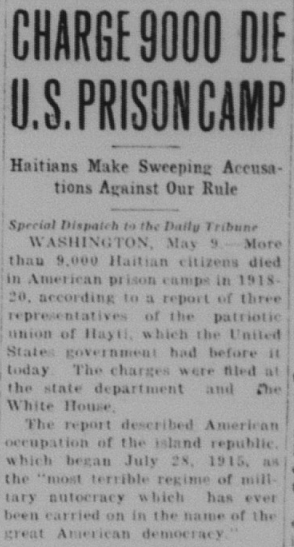
It was alleged that over 9,000 Haitians died in prison camps when that country was under U.S. rule.
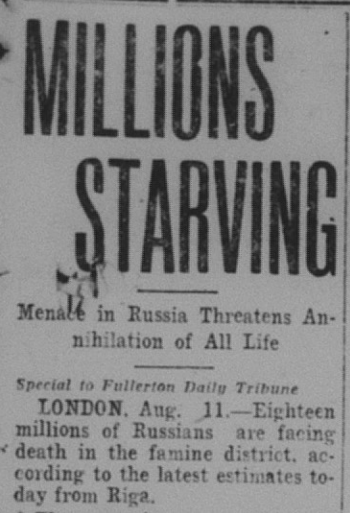
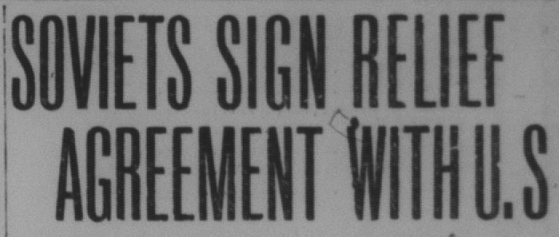
With Russia facing famine, the U.S. agreed to send food relief. This despite the two countries’ political differences.
Deaths
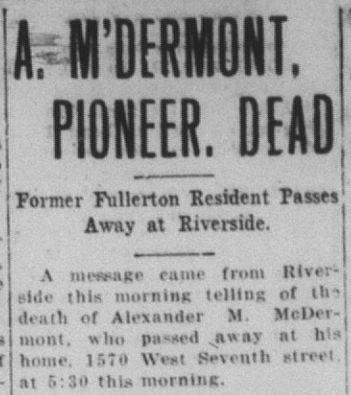
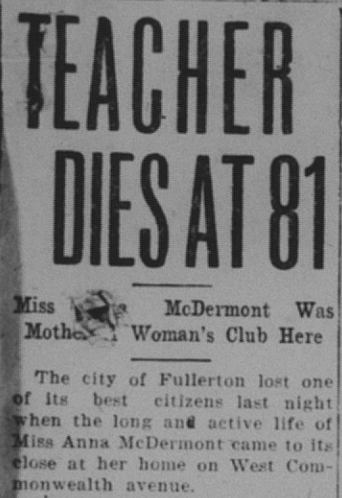
Fullerton pioneer Alex McDermont passed away, and shortly thereafter his sister Anna McDermont died as well. I plan to write more on this interesting and influential family in a future post.
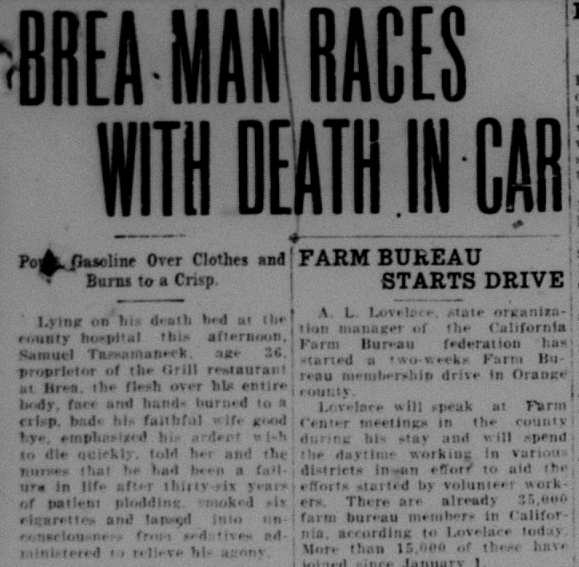
A Brea man named Samuel Tassamaneck committed suicide by dousing himself with gasoline and lighting himself on fire.
“Life with me has been just one continual struggle, an up-hill climb, with no success and no progress,” he said on his deathbed.
Stay tuned for more news stories from 1922!
 Fullerton History