The following is from a work-in-progress about the history of Fullerton. You can support my ongoing research and writing on Patreon.
The Local History Room of the Fullerton Public Library has microfilm from the Fullerton Tribune newspaper (which became the Orange County Tribune in 1908) stretching back to 1893. I am in the process of reading over the microfilm, year by year, to get a sense of what was happening in the town over the years, and creating a mini archive. Below are some news stories from 1915.
Education
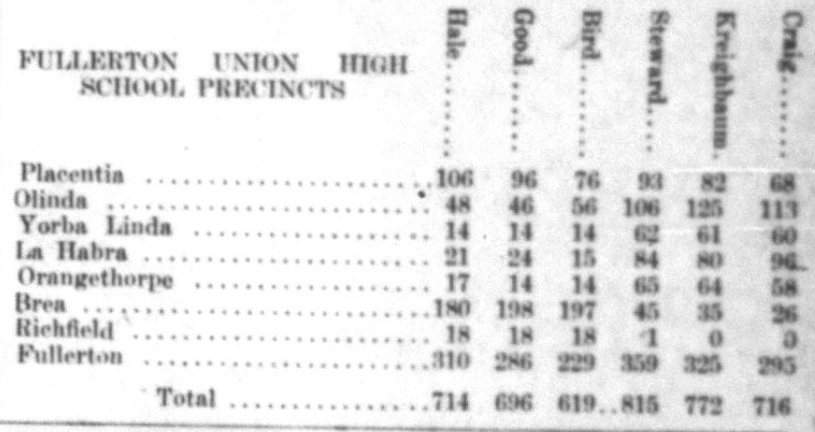
The election of high school board trustees was a contentious one, with a slate of candidates favoring principal Delbert Brunton, and others opposing him. Ultimately, the Brunton supporters won. They were L.R. Steward, O.A. Kreighbaum, and Allen Craig. Billy Hale, who opposed Brunton, was narrowly defeated by two votes.

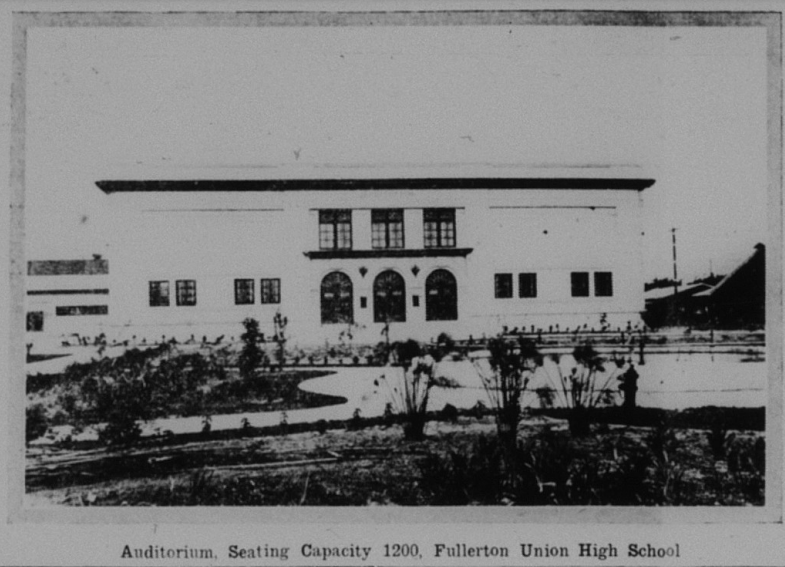
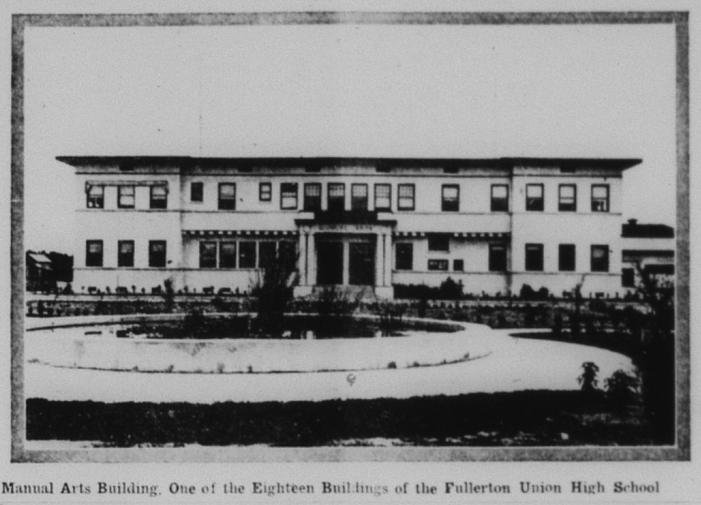
The Tribune printed photographs of the high school auditorium and manual arts buildings. The current (larger) high school auditorium would not be built until 1930. Do the buildings below still exist today?
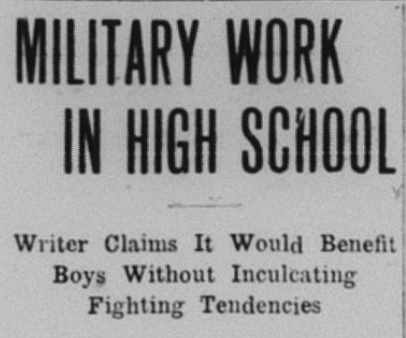
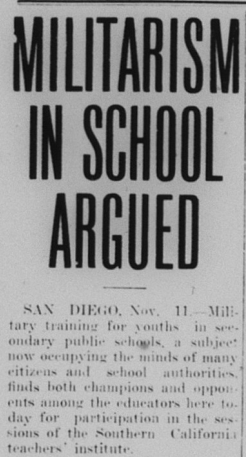
With World War I raging in Europe, there was discussion and debate about requiring military training in high school.
Neighboring Cities
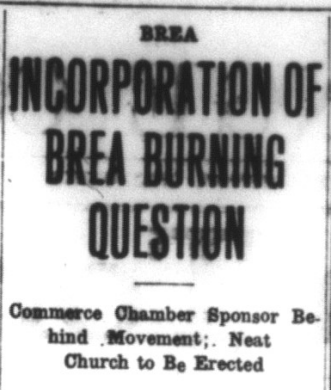
The newly-formed oil town of Brea was considering incorporation, which would give it a city council with taxation powers. Brea would incorporate in 1917.
Deaths
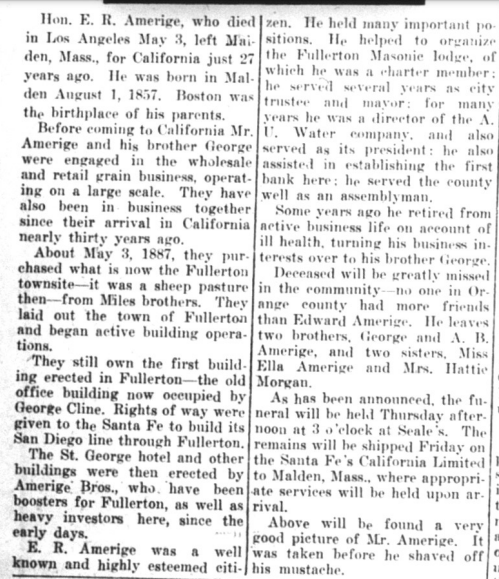
Fullerton co-founder Edward R. Amerige, who had served on City Council and in the California State Assembly, passed away.

A massive train accident/explosion in the nearby town of Yorba prompted the largest headline in the history of the Tribune.

Government and Politics
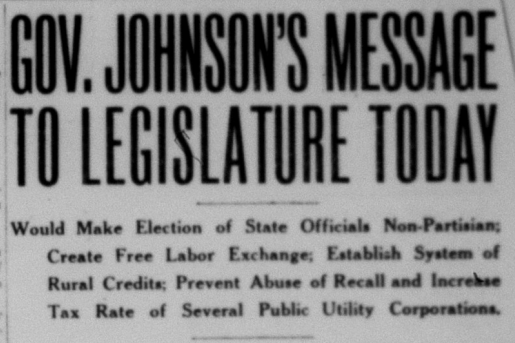
Progressive California governor Hiram Johnson outlined his priorities for more state reforms.
A resident named Frank Claudina drew up a petition to recall Mayor Gregory and councilmember Anin; however, it appears that this effort never went anywhere.

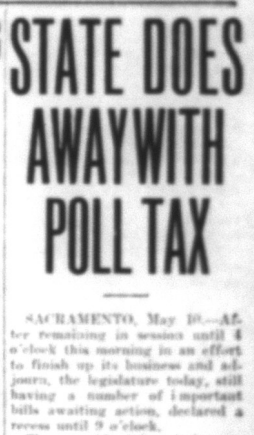
In 1914, California repealed its poll tax.
Fullerton’s representative in Congress was Democrat William Kettner, whose district included Orange, Imperial, Inyo, Mono, Riverside, San Barnardino, and San Diego counties.

Arts & Leisure
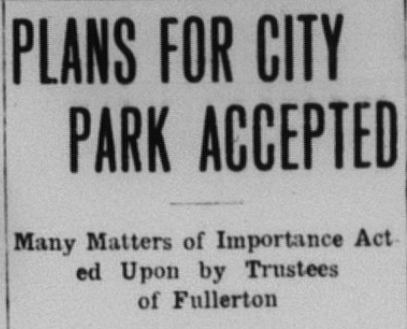
Fullerton was developing a City Park, although I’m not sure where. The articles on the subject do not say. I will be sure to consult the Fullerton Public Library local history room.

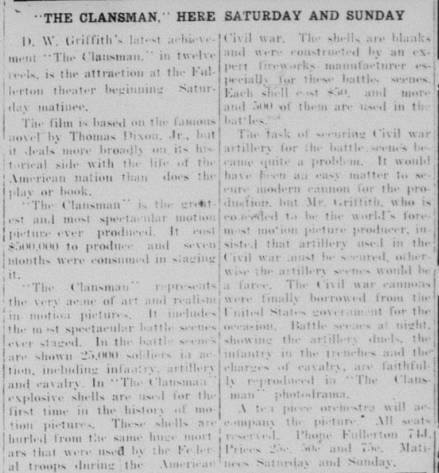
Before the Fox Theater was built in 1925, there was the Fullerton Theater on (Spadra) Harbor Blvd. (which later was called the Rialto Theater). The Tribune included lots of ads for movies they were showing. In 1915, director D.W. Griffith released a movie called “The Clansman” (later called “The Birth of a Nation“), which was a landmark in filmmaking techniques, and arguably the first “blockbuster.” Unfortunately, the movie was also deeply racist, as it portrayed the Ku Klux Klan as American heroes. The Fullerton Theater showed this movie.

This movie is credited with sparking a revival of the KKK not just in the south, but throughout the United States. By the 1920s, there would be an active Ku Klux Klan in Fullerton.

Crime
In one of the Mexican work camps on the Bastanchury Ranch, there was a large fight in which three were injured.

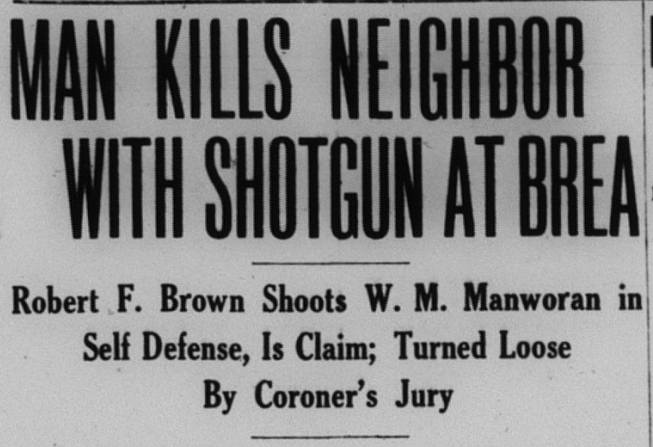
A Brea man killed his neighbor with a shotgun.
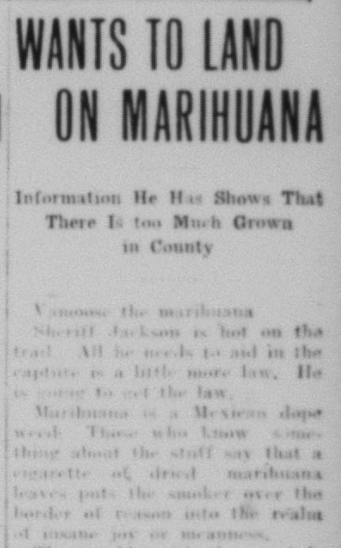
The OC Sheriff was attempting to crack down on “marihuana.”
Agriculture
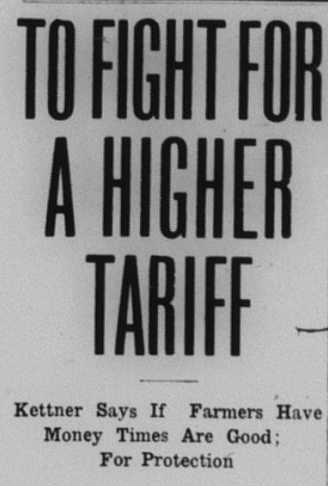
Congressman William Kettner was in favor of a higher tariff on foreign agricultural products to protect American growers.
Racism
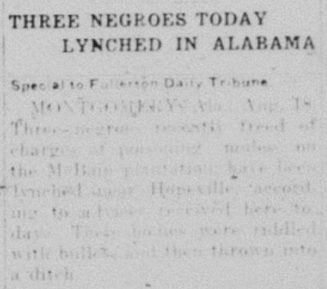
Lynching of African Americans was still happening in America.
Comics
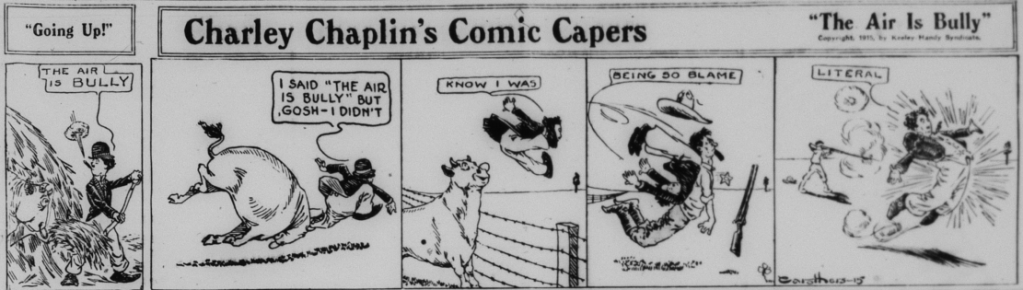
In 1915, the first comic strip appeared in the Orange County Tribune:
Women’s Suffrage
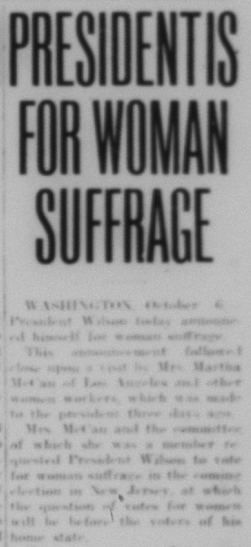
Although California residents passed a ballot measure granting women the right to vote in 1911, the 19th Amendment (granting women across America the right to vote) would not pass until 1920. In 1915, president Woodrow Wilson expressed his support for women’s suffrage.
World War I
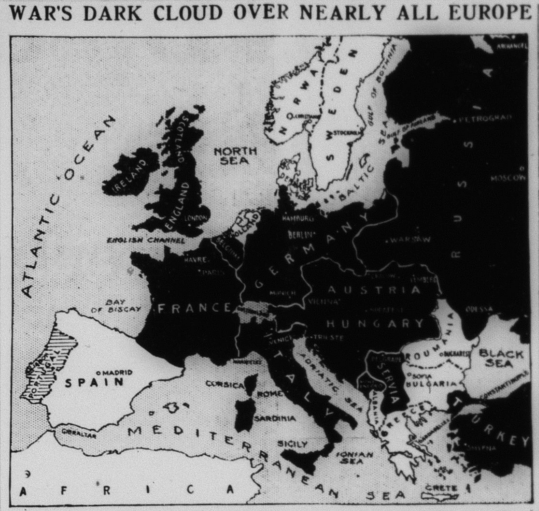
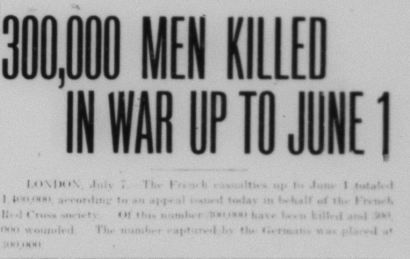
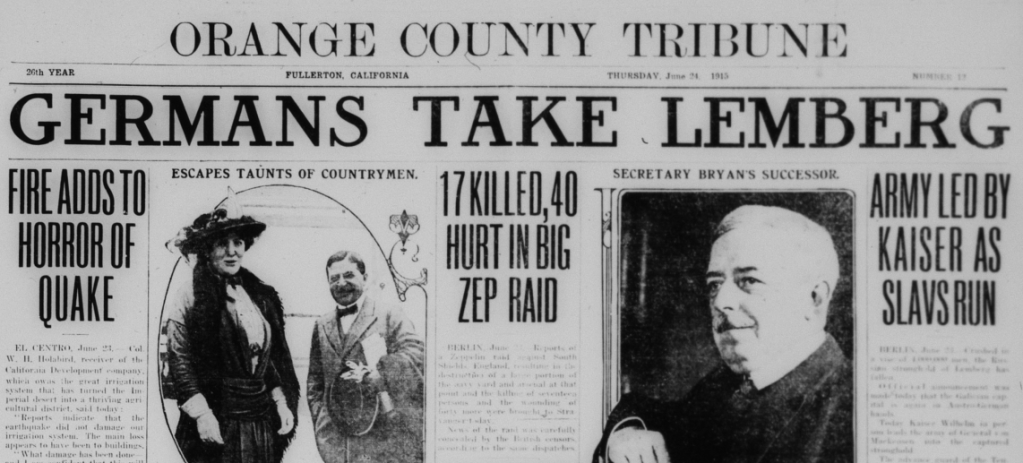
The big news of 1915 was World War I, which was raging in Europe, causing hundreds of thousands of deaths. Here are some headlines related to the so-called Great War.

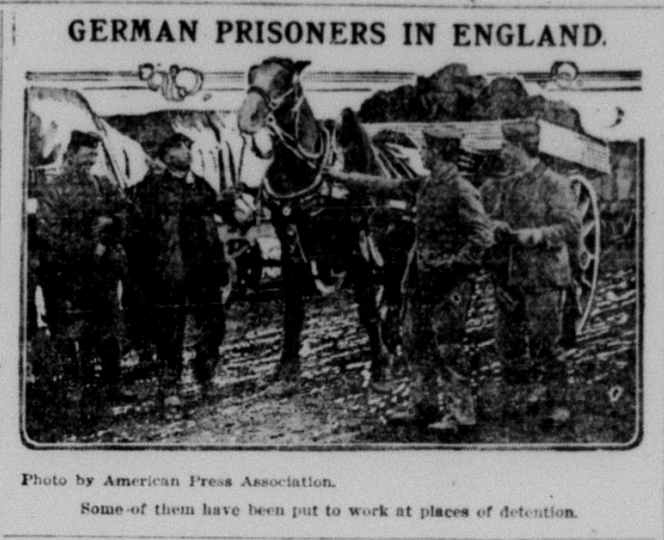

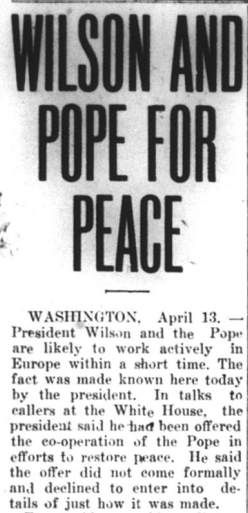
Although the US would not officially enter the war until 1917, the country began to build up its armed forces, particularly its navy.
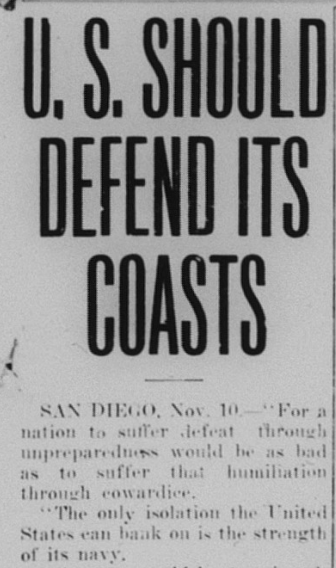

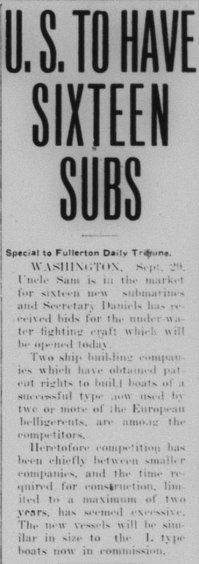


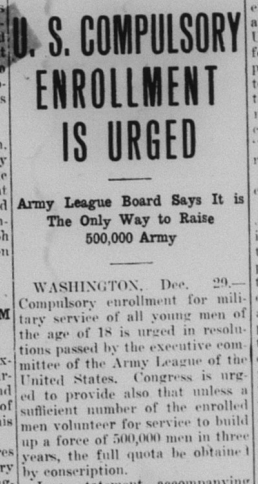
There was even talk of creating a draft, should the US need to raise a larger army.
Homelessness
Meanwhile, back at home, county officers were planning a war on the homeless.
Mexican Revolution
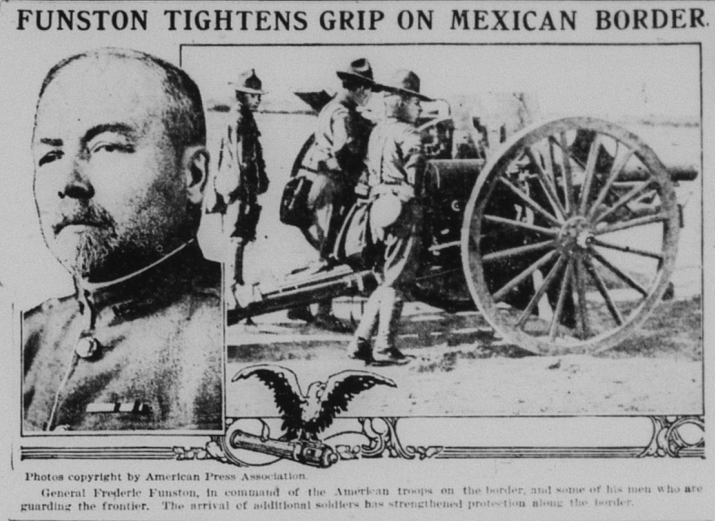
South of the border, the Mexican Revolution raged, prompting the US to tighten border security.

Technology

Miscellaneous

Stay tuned for articles from 1916.
 Fullerton History
Leave a comment