The following is from a work-in-progress about the history of Fullerton. You can support my ongoing research and writing on Patreon.
The Local History Room of the Fullerton Public Library has microfilm from the Fullerton Tribune newspaper stretching back to 1893. I am in the process of reading over the microfilm, year by year, to get a sense of what was happening in the town over the years, and creating a mini archive. Below are some news stories from 1913.
Newspaper
Starting in 1908, the Fullerton Tribune became the Orange County Tribune.

Education
In 1913, Fullerton College was established. Today, Fullerton College is recognized as the oldest continuously operating community college in California.

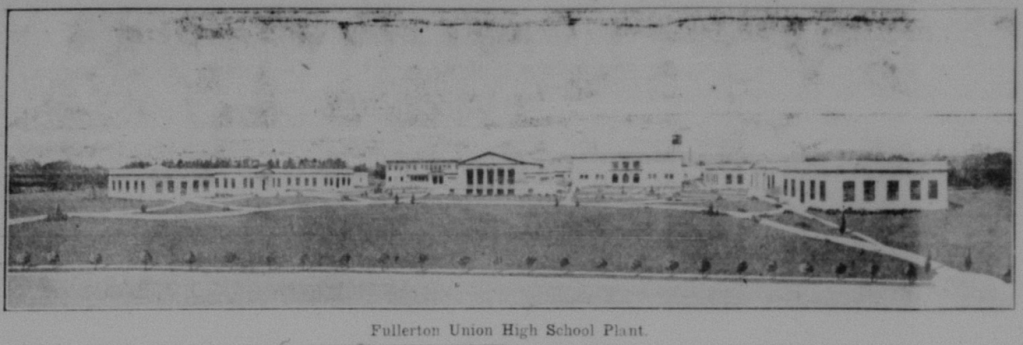
The new college campus started on the newly-built high school campus on Chapman Avenue. This was built to replace the previous high school building on Commonwealth, which had burned down in 1911.

The state of California passed a child labor law which set limits on the number of hours a minor could work, and allowed children to go to work instead of school if the father had deserted the family.

Government
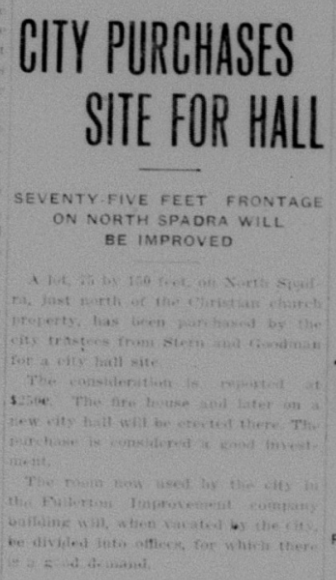
The city purchased a site for a City Hall on north Spadra (Harbor) Blvd.
Oil!
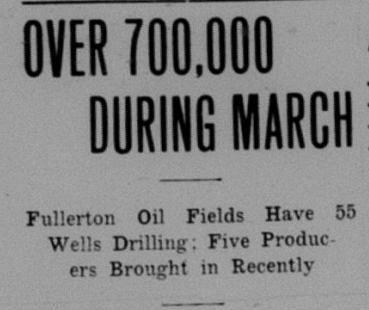
Fullerton continued to be a big oil producing town.
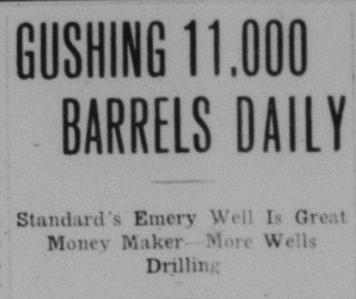

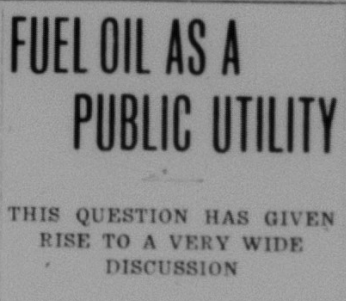
There was some discussion about making oil a public utility, like water or electricity. This, of course, did not happen.
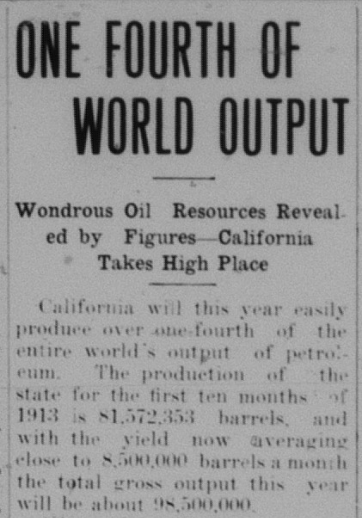
At this time, California was producing one fourth of the world’s oil.
Water
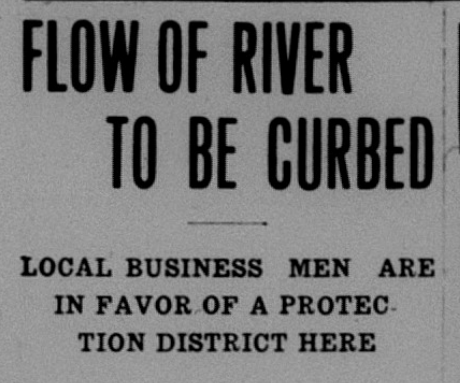
In water news, there was discussion of cementing the path of the Santa Ana river so as to avoid flooding. It’s understandable why they would do this from a safety perspective. However, it’s unfortunate that it would ultimately turn a natural, flowing river into the ugly concrete gulch we see today.
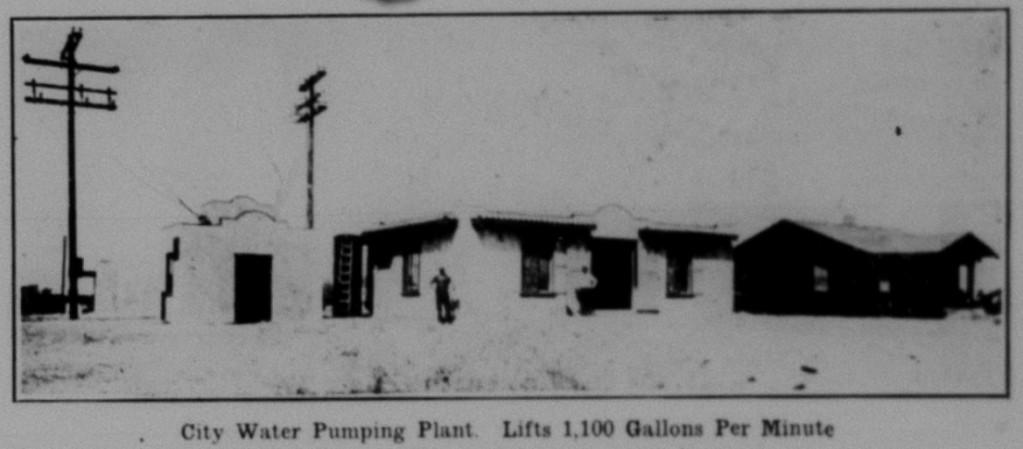
In 1913, Fullerton built a new municipal water system with a pumping plant, a reservoir, and 12 miles of underground water pipes.



Additionally, the city was building a modern sewer system.
Transportation
1913 was a year of large expenditures on public works, including much street paving.


To celebrate the grand opening of his new store Commonwealth, William Wickersheim organized an auto parade downtown. The increasing popularity of cars made more road paving necessary.

Agriculture
Next to oil, Fullerton’s other main export was oranges.

Crime
As far as crime went, perhaps the most exciting thing that happened was a shoot out between some local cops and (alleged) robbers.
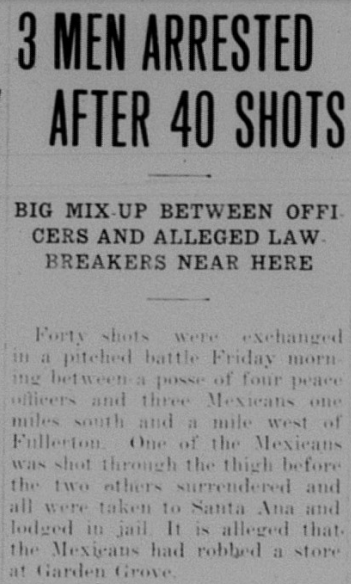
Among the lesser crime headlines, I found this one, which means something different in contemporary slang.

Racism
In 1913, the California legislature passed the California Alien Land Law (also known as the Webb–Haney Act), which prohibited “aliens ineligible for citizenship” from owning agricultural land or possessing long-term leases over it, but permitted leases lasting up to three years. It affected the Chinese, Indian, Japanese, and Korean immigrant farmers in California. Implicitly, the law was primarily directed at the Japanese.
It passed 35–2 in the State Senate and 72–3 in the State Assembly. According to Wikipedia, “The law was meant to discourage immigration from Asia, and to create an inhospitable climate for immigrants already living in California.”
The law was the culmination of years of anti-Asian sentiment in California, going back to the 1882 Chinese Exclusion Act.
The Tribune published many racist articles against Japanese immigrants.
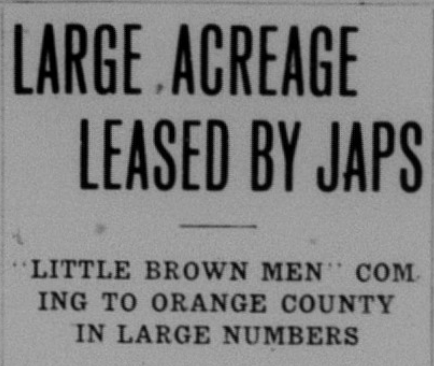
Successful Japanese farmer George Shima (“The Potato King” of California) protested against the 1913 Alien Land Law.

A few Japanese farmers in Yorba Linda tried a clever way to (maybe) get around the law. They incorporated as a business (the Y.J. Orange Grove Co.) and purchased land in the name of their company, not themselves.
In his article on this topic, Edgar Johnson writes, “the inquisitive person has not been enlightened as to what the Y.J. part of the company means. There is nothing in the articles filed with the county clerk to show what these letters mean. They may mean Young Japanese Orange Grove company or You Jap Orange Grove company or Yokohama Jiu Jitsu Orange Grove Co. or something else equally as appropriate.”
Homelessness
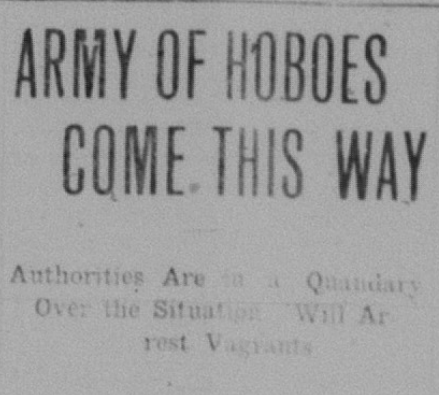
Like today, homelessness was an issue.
International News
South of the border, the Mexican Revolution raged. This would cause thousands of immigrants to migrate north, to the United States.

Photos and Illustrations
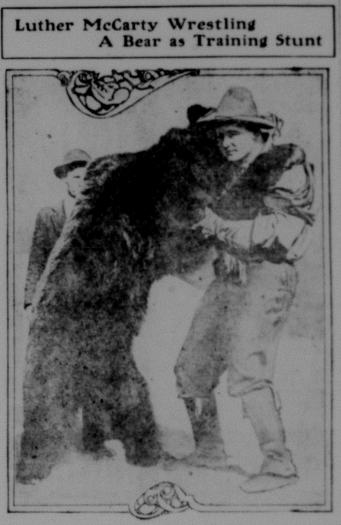
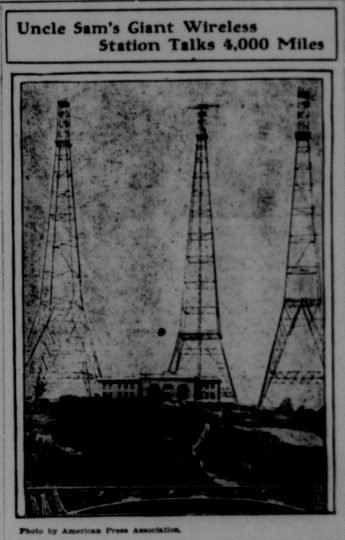
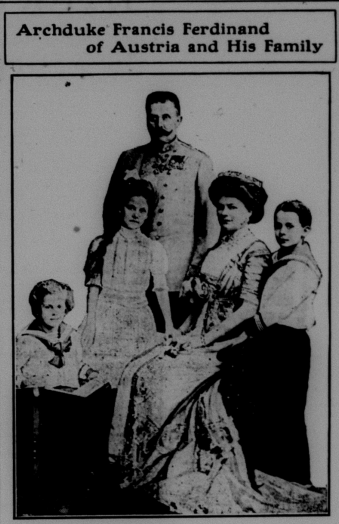
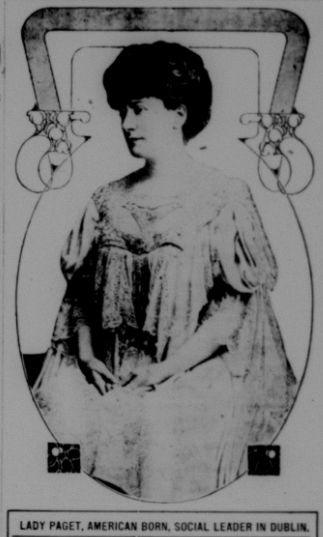
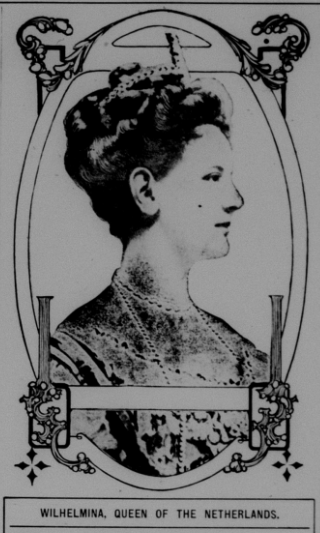
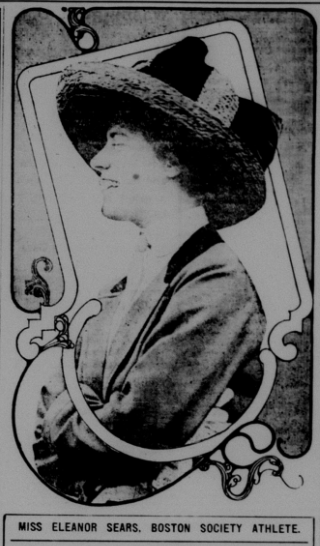
The Tribune includes some interesting photos and illustrations on a wide range of topics. Below are some of them.




Stay tuned for highlights from 1914!
 Fullerton History
Leave a comment