The following is from a work-in-progress about the history of Fullerton. You can support my ongoing research and writing on Patreon.
The Local History Room of the Fullerton Public Library has microfilm from the Fullerton Tribune newspaper stretching back to 1893. I am in the process of reading over the microfilm, year by year, to get a sense of what was happening in the town over the years, and creating a mini archive. Below are some news stories from 1911.
Women’s Suffrage
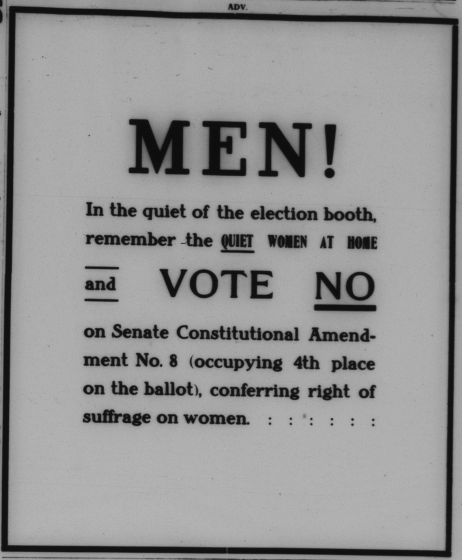
1911 was an important year for democracy in California, as that was the year Proposition 4 passed, which granted women the right to vote. Note that this was fully 9 years before the passage of the 19th Amendment, which gave all women in the United States the right to vote.
Of course, not everyone was in favor of granting women the right to vote, as this advertisement in the Tribune demonstrates:
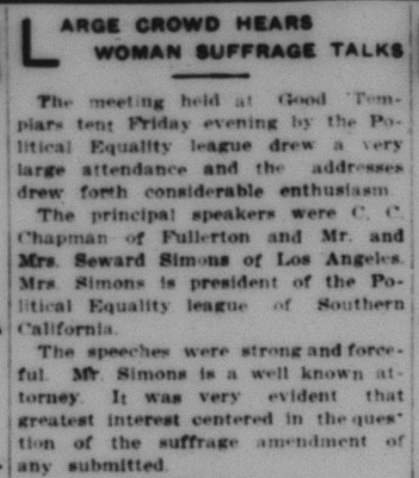
In the leadup to the vote, there were large gatherings on the issue of women’s suffrage, including in Fullerton.
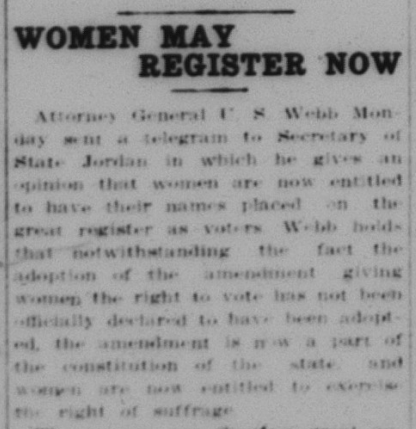
Ultimately, Prop 4 passed, and women were allowed to vote in California.
Prohibition (again)
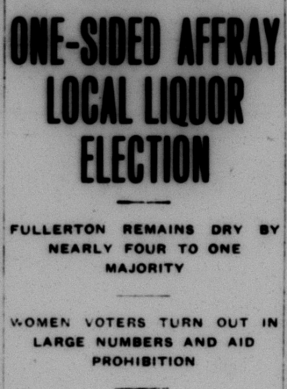
In just about every election cycle since Fullerton incorporated in 1904, petitioners put the liquor question on the ballot. With the large number of women registered to vote, the town voted (once again) to ban liquor licenses, thus making Fullerton a “dry” town.
Other Progressive Reforms
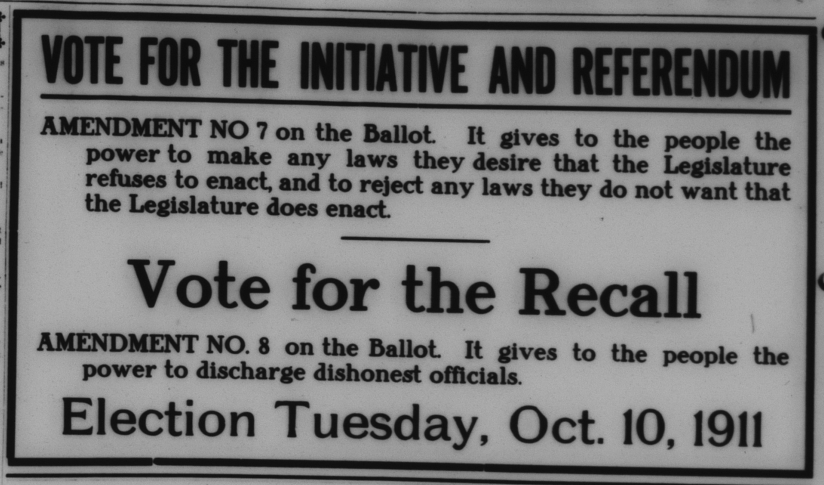
In 1911, the California state government was led by progressive Republicans like governor Hiram Johnson, who passed a number of reform laws, such as an 8-hour work day for women, free textbooks for public schools, and the petition, recall and referendum (which was approved by a majority of voters).
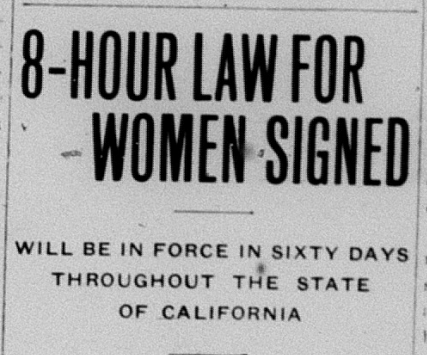
Of course, some business interests were not happy about the 8-hour day.

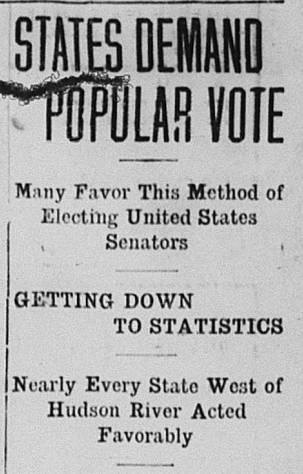
In 1911, there was a movement for U.S. Senators to be elected by popular vote. This would eventually become the 17th amendment. Prior to this, the U.S. Constitution stated that U.S. Senators were elected by state legislators. It’s interesting to remember that our Constitution is not “set in stone” and has been changed many times, as times change.
Education
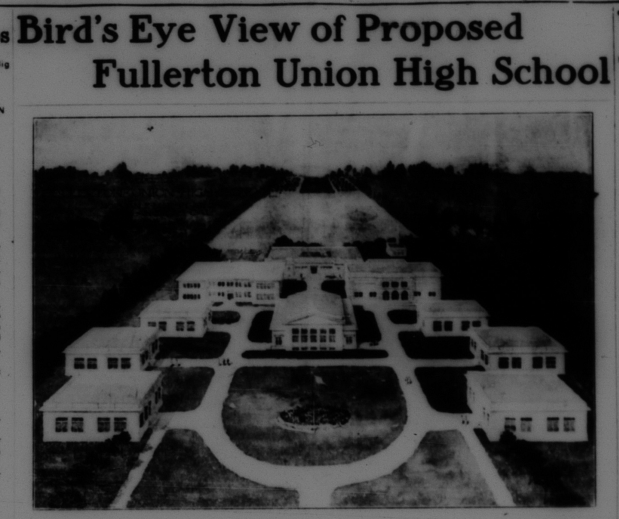
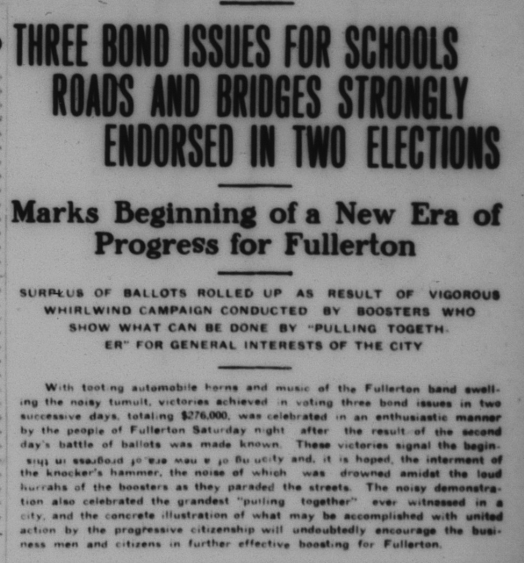
In 1910, Fullerton’s second high school burned down. In 1911, Fullerton voters approved a bond measure to fund the construction of a new high school. There was some debate over the location. Ultimately, the site was chosen on Chapman Ave. where Fullerton High School is today.
Infrastructure/Utilities
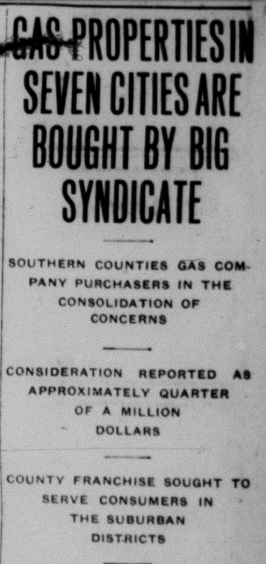
The Southern California Gas Company was buying up local gas companies and consolidating their power.
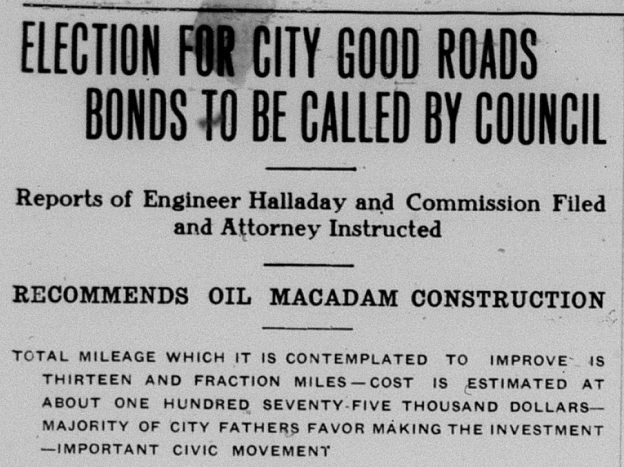
When voters approved bonds for the high school, they also approved bonds for road and bridge improvements.
The Edison Company installed better electric street lighting downtown.

Agriculture
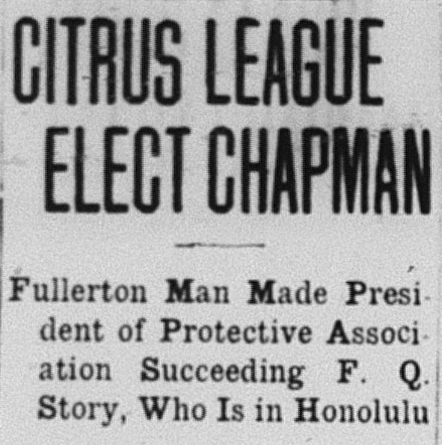
Charles C. Chapman was elected to the Citrus Protective Association, whose primary purpose was to lobby the government for tariffs on foreign citrus imports, so that local growers could compete. Not exactly “free market” capitalism, but there was much about the citrus industry that was not quite capitalistic, like the grower cooperatives (such as Sunkist).
Housing
Edward K. Benchley, a citrus grower, was also becoming a housing developer.

Racism
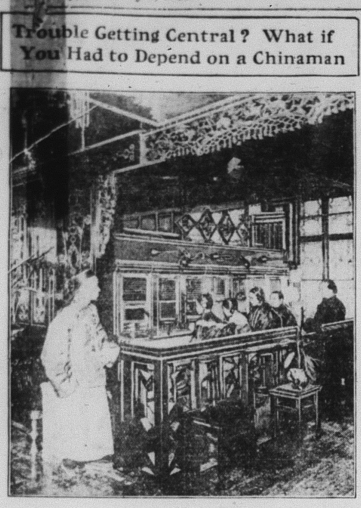
Anti-Asian racism was quite commonplace.
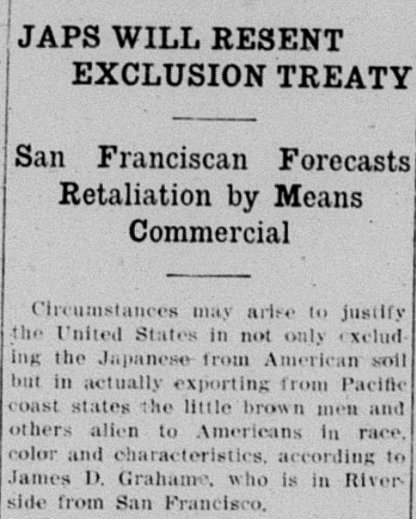
There was even talk of Japanese exclusion.
International Affairs
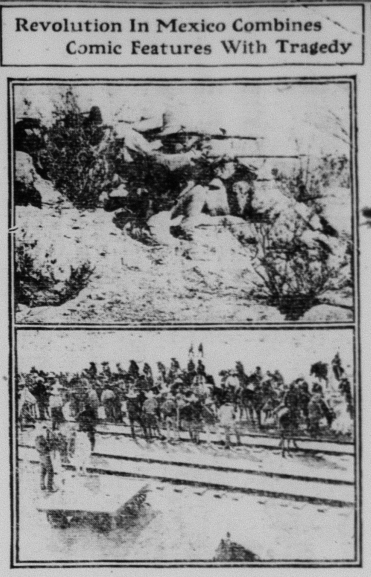
South of the border, the Mexican Revolution had begun.
Oil!
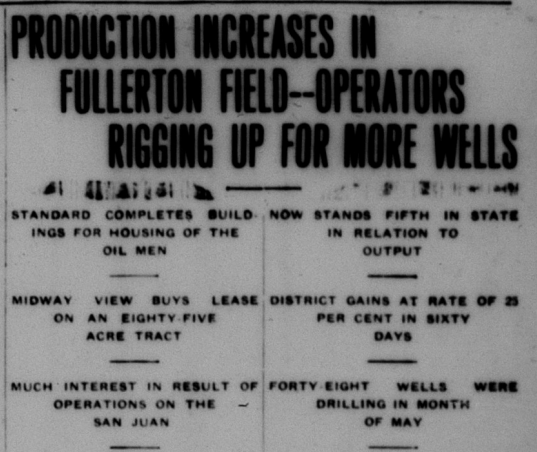
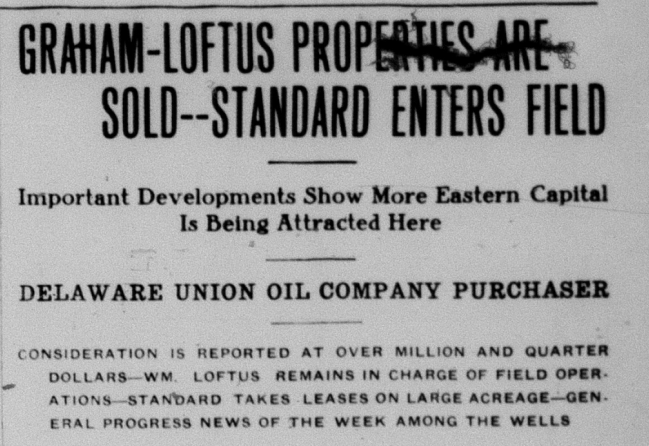
Large oil companies like Standard Oil and Union Oil were buying up properties of smaller local companies in the Fullerton Oil fields.
The New Town of Brea

National News
The Disappearance of Abe Pritchard
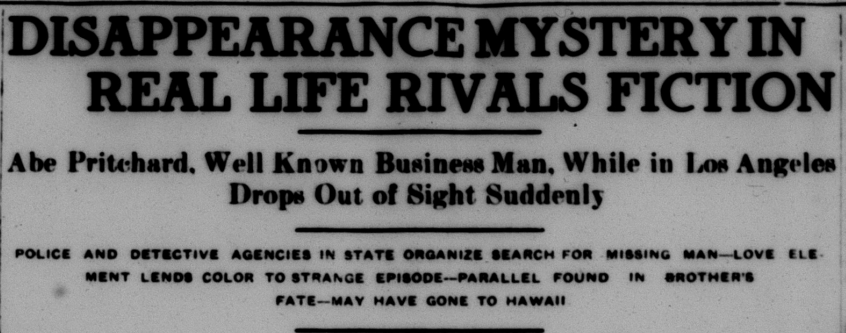
Prominent Fullerton businessman Abe Pritchard disappeared in Los Angeles (he would eventually be found).
“Diamond Bob” Northam’s Divorce
Colonel Robert “Diamond Bob” Northam was a colorful Orange County figure who was manager of the Stearns Ranchos company, and had an office in Fullerton for many years. Chapman Avenue was originally called Northam Avenue. In 1911, his wife Leotia sued him for divorce, stating that she was fed up with his drunkenness.
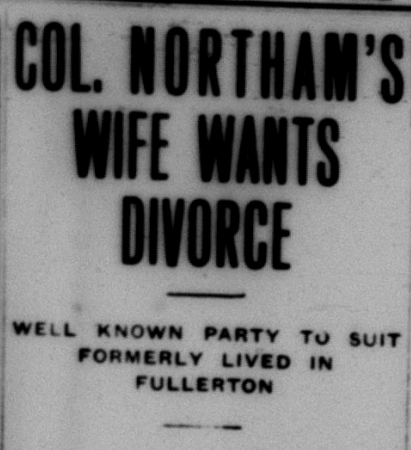
The Tribune paints an interesting picture of Diamond Bob: “He is now 65 years of age and a millionaire manufacturer and is widely known as a princely spender, bon vivant and general good fellow…Colonel Northam is a pioneer, coming here in 1870, and today, in addition to the manufacturing business at 110 West Twelfth street Los Angeles, has large realty holdings, including the beautiful country place, Los Robles Viejos at Santa anita, one of the well known show places of the big county.”
He had married his wife 10 years prior when he was 55. She was just 20, an aspiring actress.
Mrs. Northam said, “No one could have treated me better than Bob in every way…dresses, jewels, a beautiful home–I had all that heart could desire. But his constant drinking drove me to distraction…He is his own worst enemy and was fast becoming mine.”
Miscellaneous
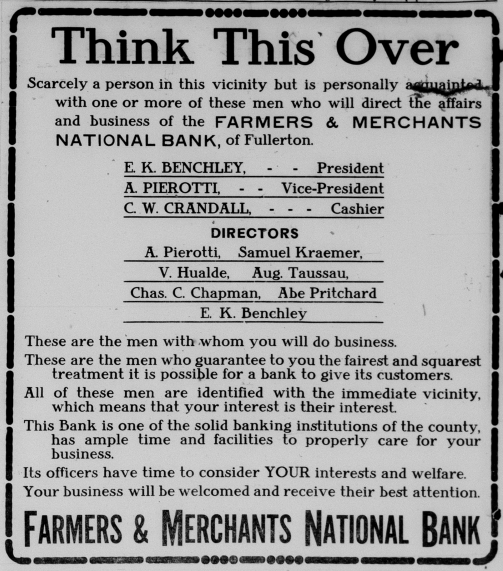
Here are some random articles/clippings that I found interesting.
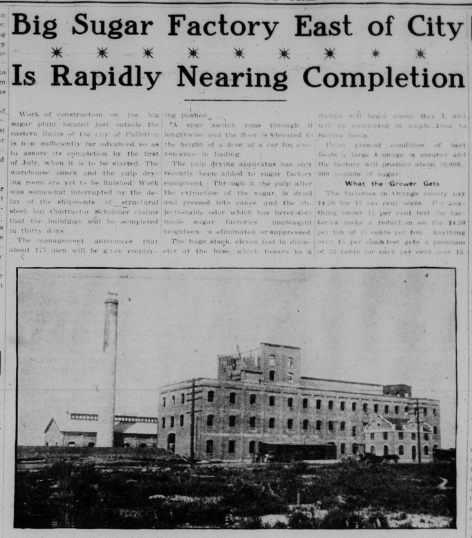
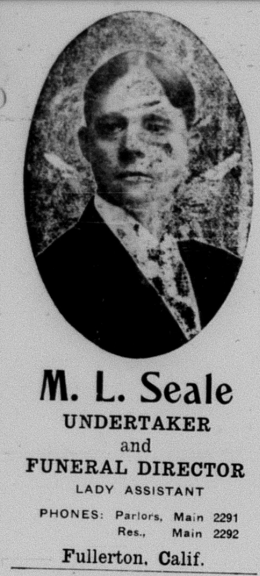
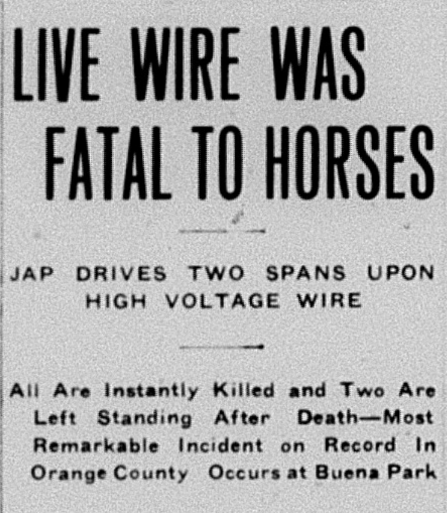

Stay tuned for headlines from 1912!
 Fullerton History
Leave a comment