The following is from a work-in-progress about the history of Fullerton. You can support my ongoing research and writing on Patreon.
Lately I’ve been writing a series of posts on the history of Fullerton Union High School. As part of this research, I’ve been looking through the digital archives of the annual FUHS yearbook, called Pleiades, which are available on the Fullerton Public Library web site.
Although the high school began in 1893, the first yearbook in the Library’s digital archives is from 1909, and the archives are incomplete.
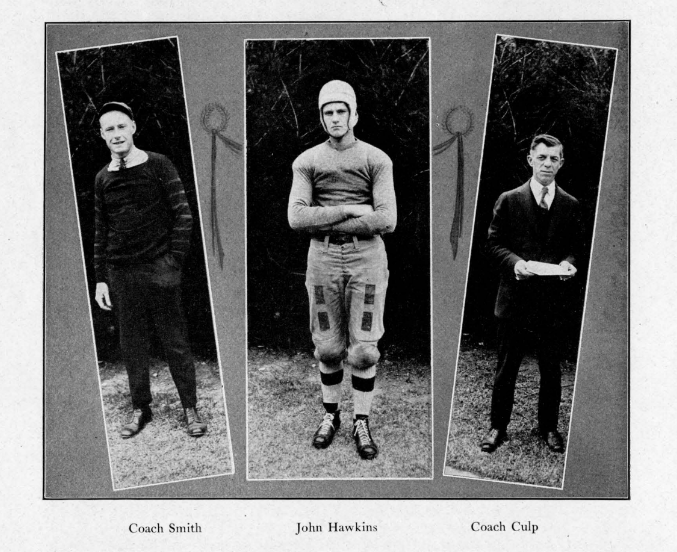
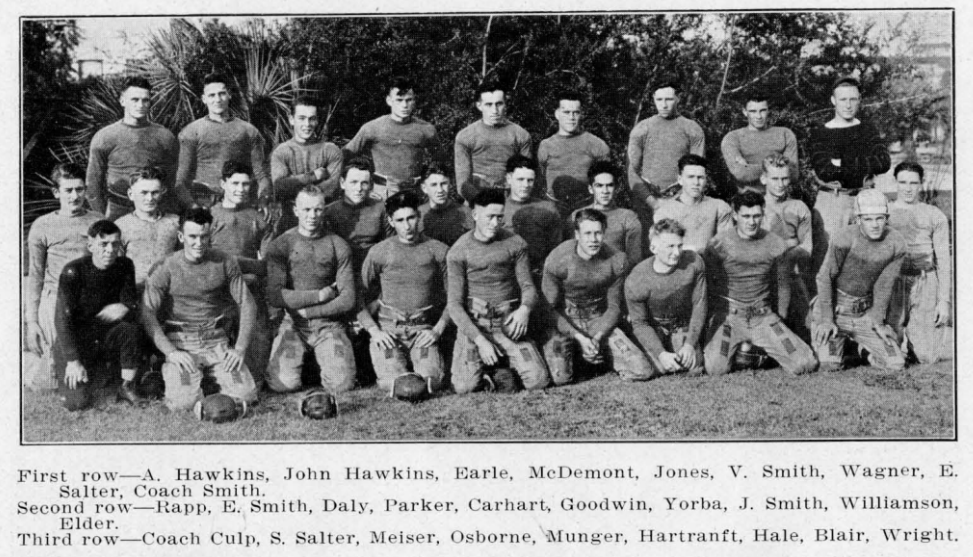
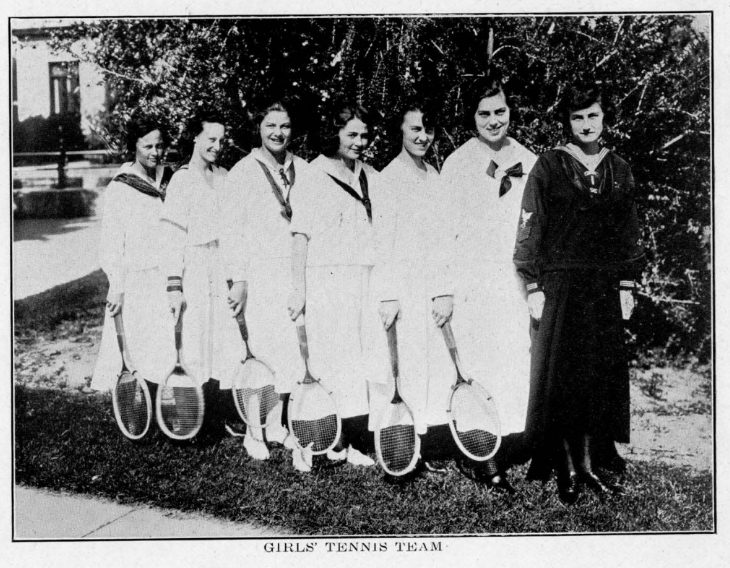
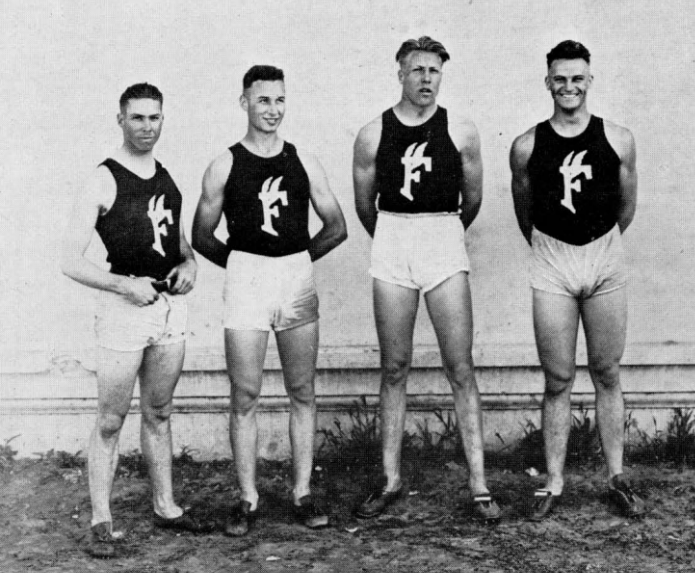
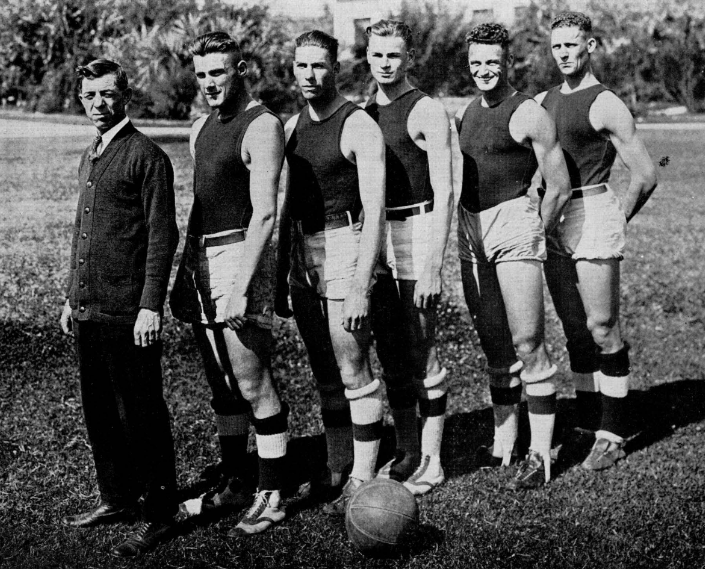
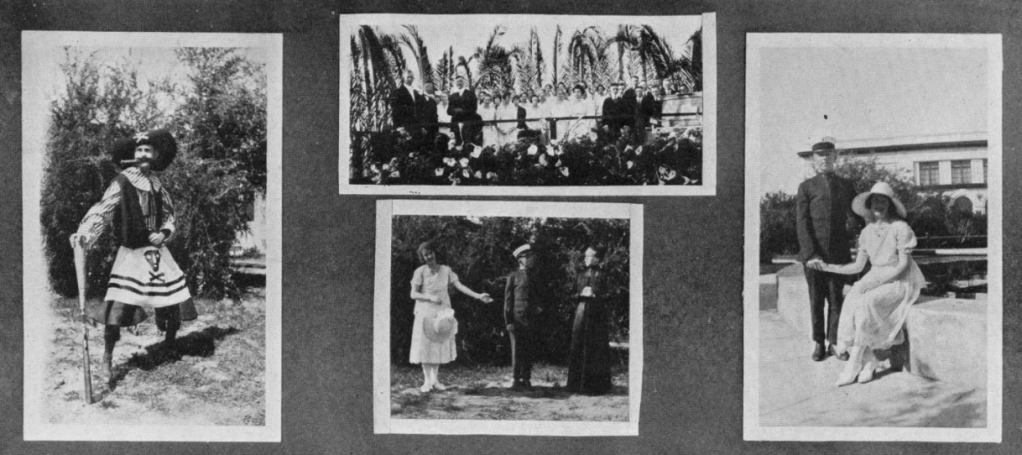
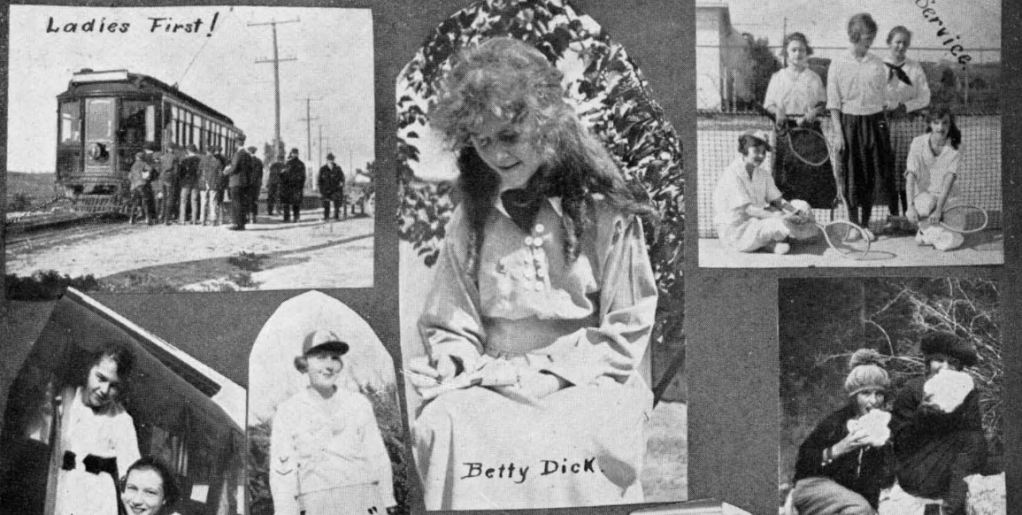
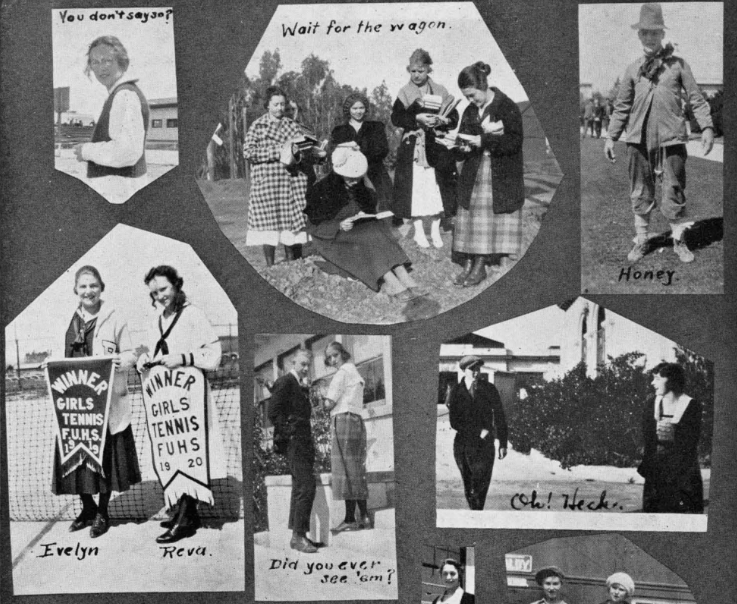
Looking through these old yearbooks is a window into the styles and attitudes of the past. I present here some snapshots from the Pleiades from the years 1909-1920.
1909

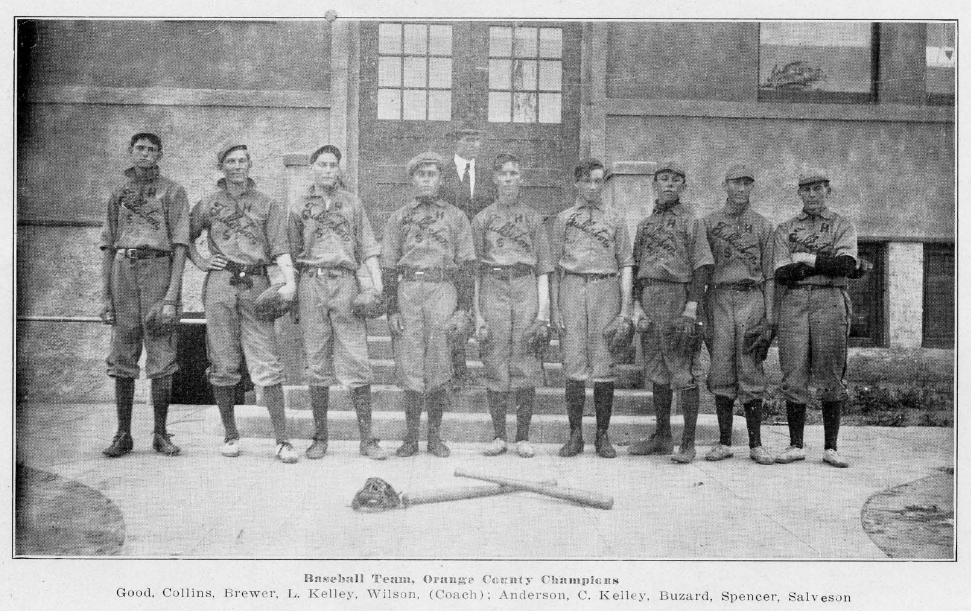

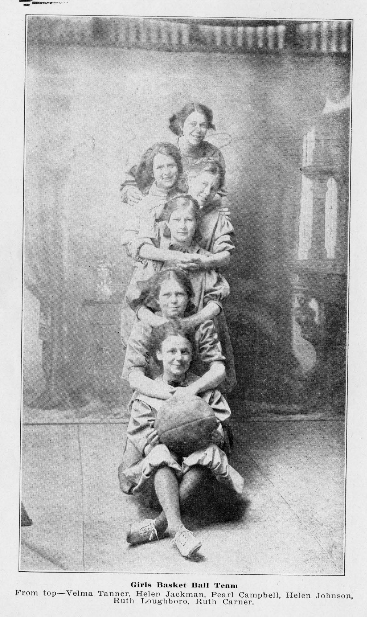


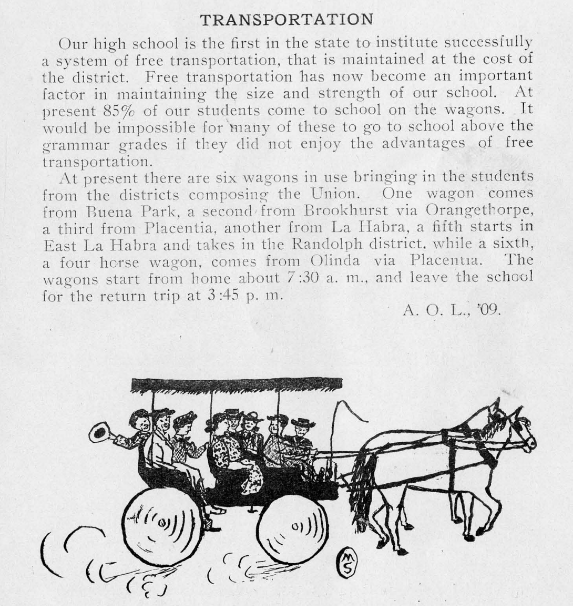

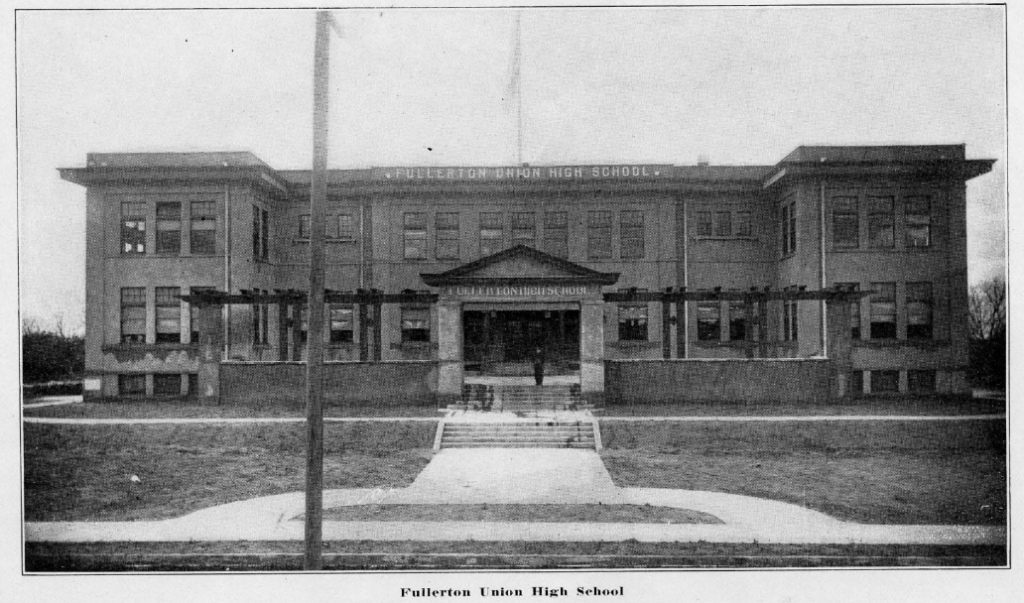

1910



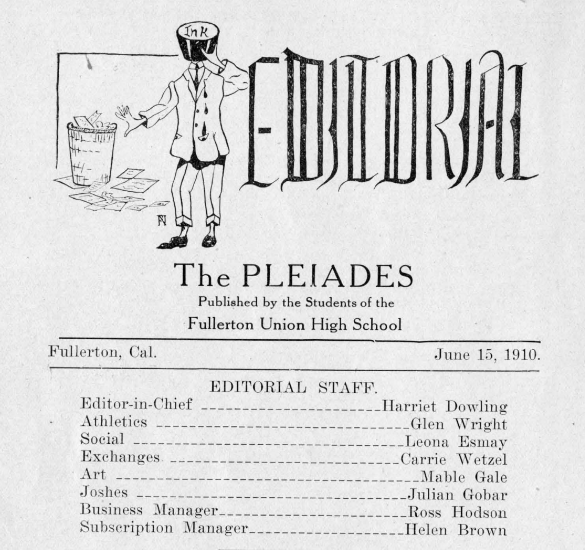
Lest we get feeling too nostalgic about this, this issue of the Pleiades includes a racist anti-Chinese joke and poem:

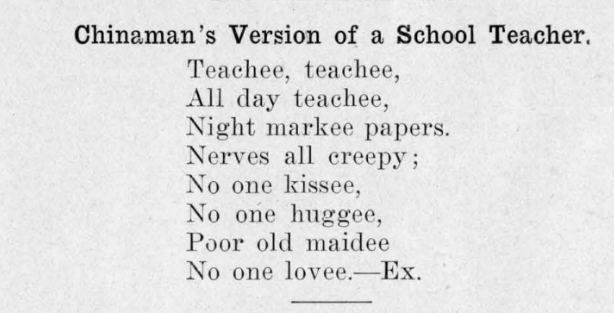
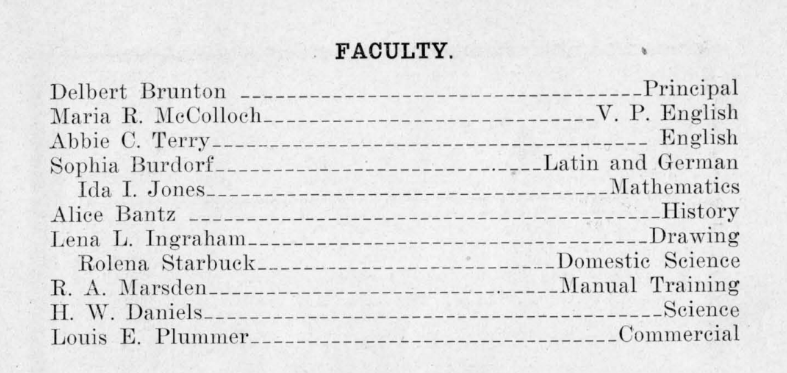
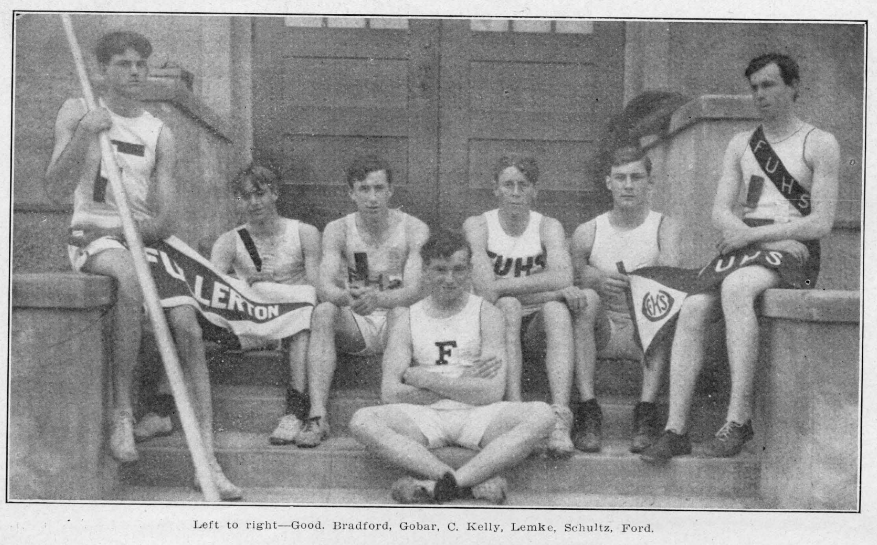


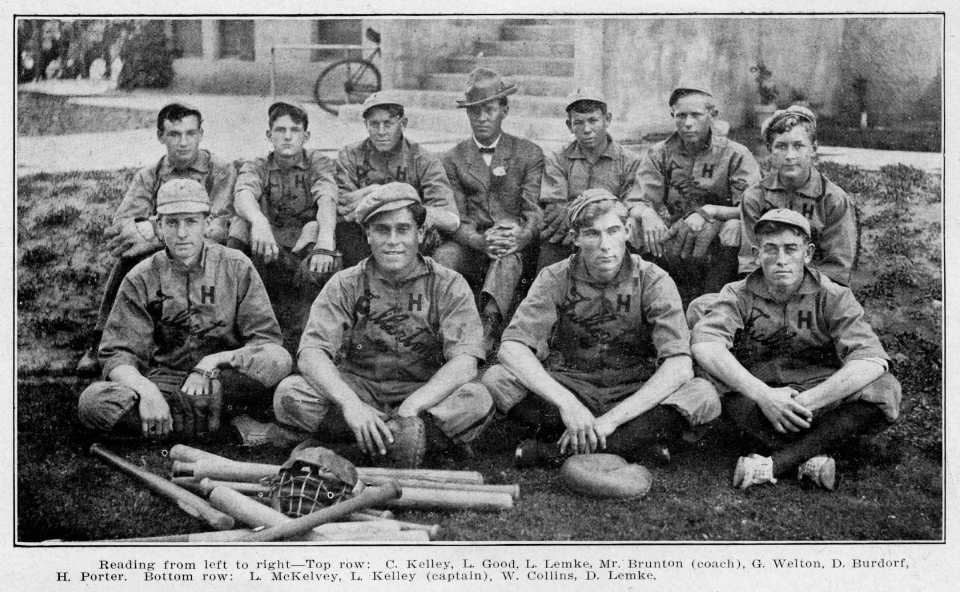
The digital archives are missing the years 1911-1915.
1916

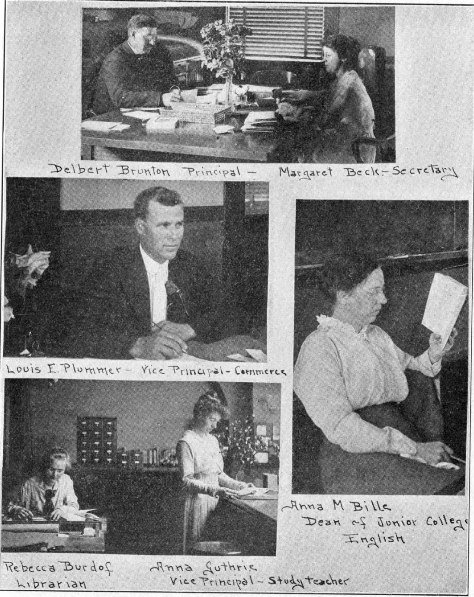


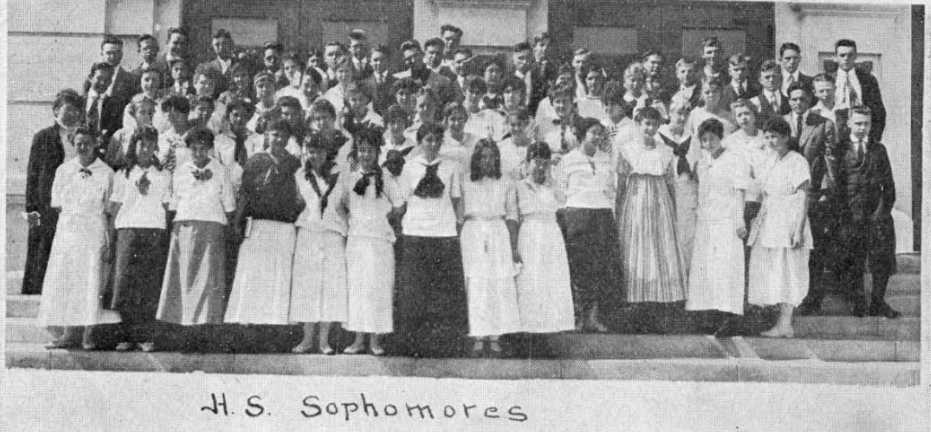


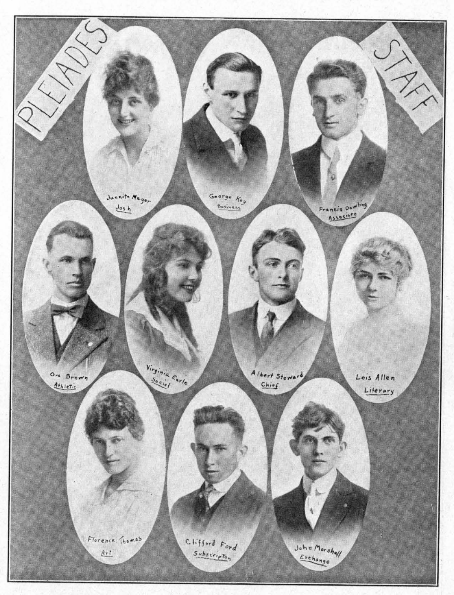

The below photo spread showcasing drama productions appears to feature two “midgets” in blackface.

As the below two photos show, there were African American students at either Fullerton High school or Fullerton Junior College, which shared the same buildings/facilities at this time. Not sure how they felt about “midgets” in blackface, but it speaks to the social/racial climate at the time.
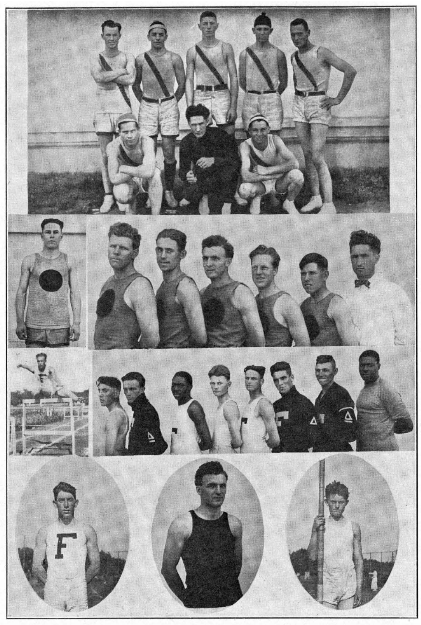


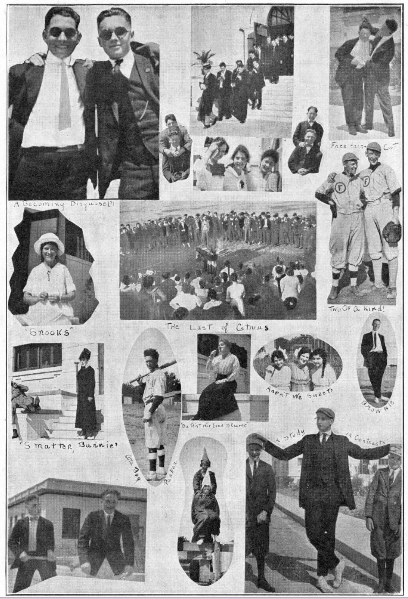
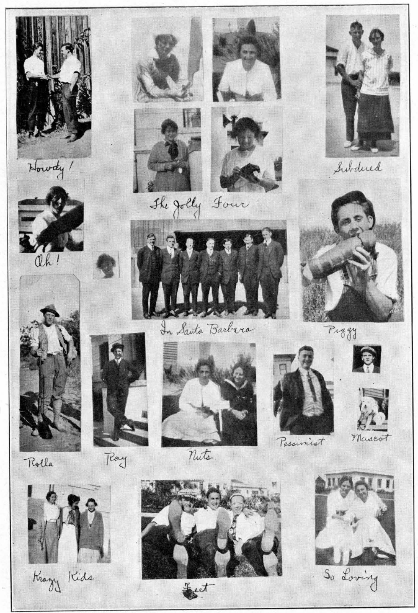
1917

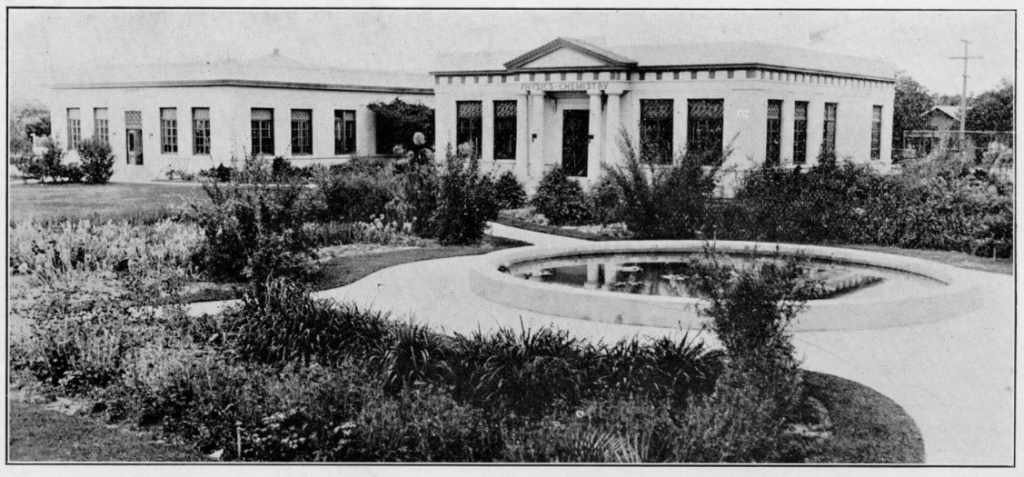


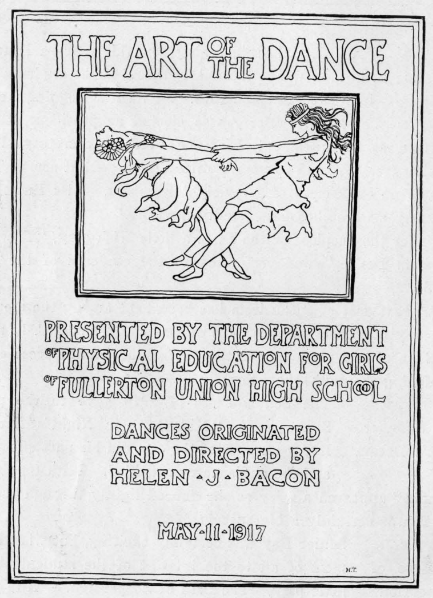
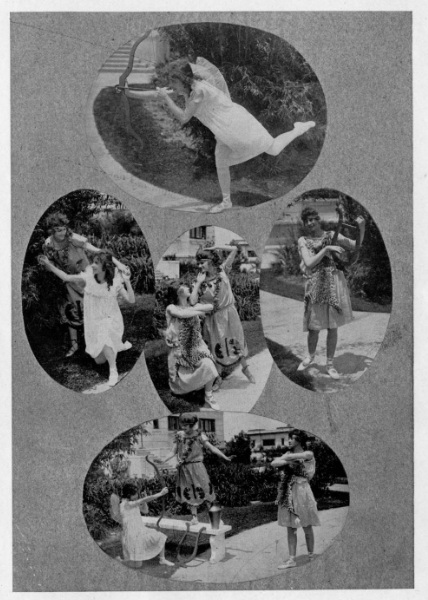
In 1917, during World War I, military drills were added to instruction, and some boys appear in military outfits. Many Fullerton Junior College students and some faculty from the high school and college enlisted.
In his book A History of the Fullerton Union High School and Fullerton Junior College 1893-1943, Louis Plummer, who taught commerce and would become principal and Superintendent gives some interesting commentary on the impact of World War I on the high school, college, and community in general.
“Men enlisted. Those who did not enlist and attempted to secure draft exemption were scorned by their fellows,” he writes. “Freedom and democracy gave way to coercion and intolerance because it was a common feeling that the situation was one that justified the suspension of even these foundation principles of our government in the interests of the successful conduct of the war.”
“In April, 1917, the board of trustees voted in favor of establishing military drill in the schools…For the rank and file of high-school boy and college men, military training was a bore, much less acceptable than the usual program of physical training, including sports. The close of the war removed what the boys felt was the real reason for such drill. In the spring of 1919 interest waned to the vanishing point and the training was considered an unnecessary drudgery. Opposition to the work became so strong that it was discontinued by board action on May 9, and the usual forms of physical education resumed,” Plummer writes.


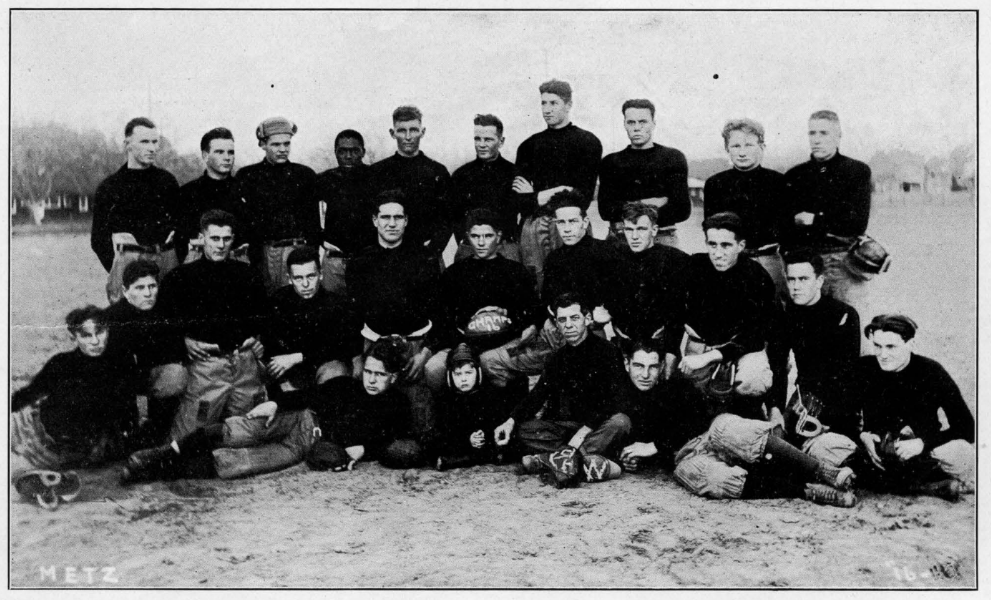


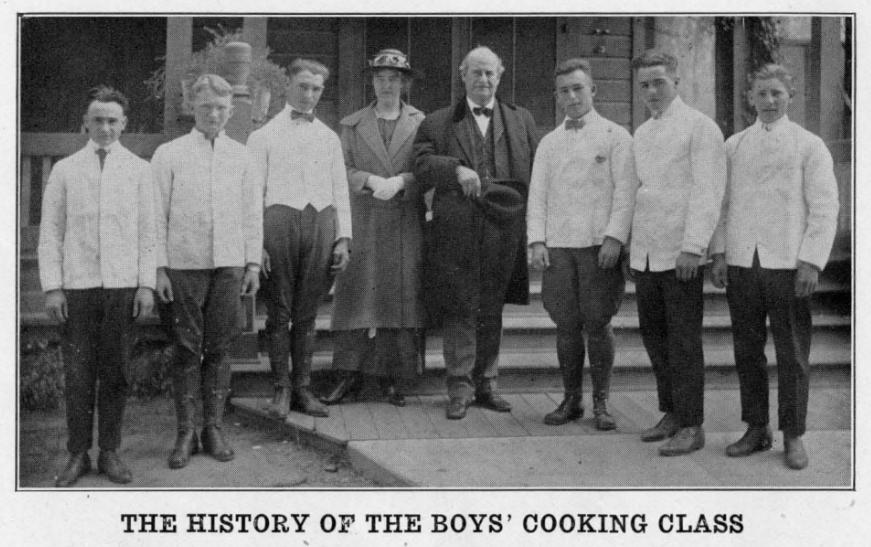
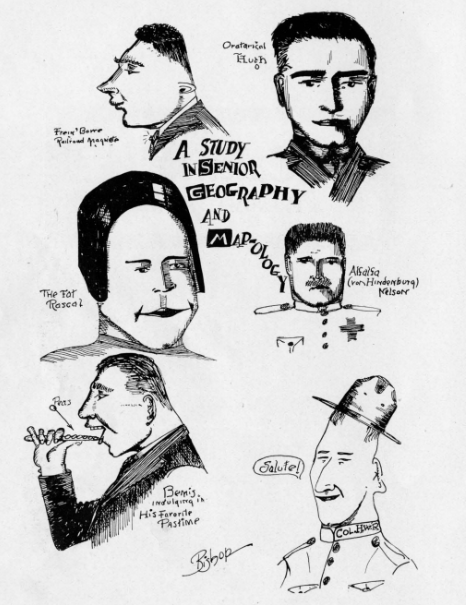

There are no digital archives for 1918-1919.
1920

Louis E. Plummer was Superintendent of Fullerton Union High School in 1920. In 1923, he (along with numerous local residents and leaders, joined the Ku Klux Klan. The primary evidence for this is a 1979 UCLA doctoral dissertation by Christopher Cocoltchos entitled The Invisible Government and the Viable Community: The Ku Klux Klan in Orange County, California During the 1920s.
Plummer is mentioned by name at least two times in this dissertation, stating that he was “a leader a leader in the Myers-led Klan.” Myers refers to the Reverend Leon Myers, who helped organize the KKK in Orange County in the early 1920s.
Elsewhere the dissertation states, “Councilman W.A. Moore, Judge French, and Superintendent of Schools Plummer joined the Klan in the latter part of 1923, and R.A. Mardsen entered in mid-1924. Civic leaders were especially eager to join. Seven of the eighteen councilmen who served on the council between 1918 and 1930 were Klansmen.”
What did it mean for the local high school and college to have a top administrator who was a part of perhaps the most racist group in American history? He was not alone, during the resurgence of the KKK in the 1920s, its membership was in the millions.


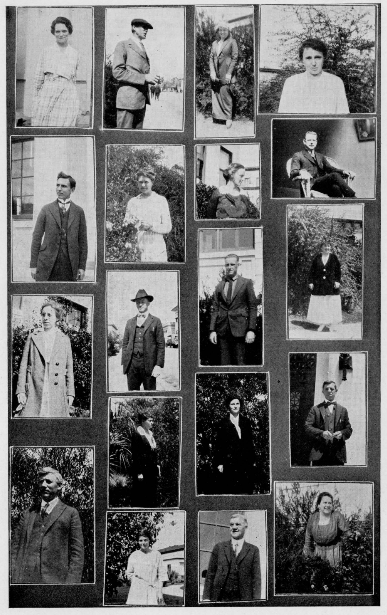

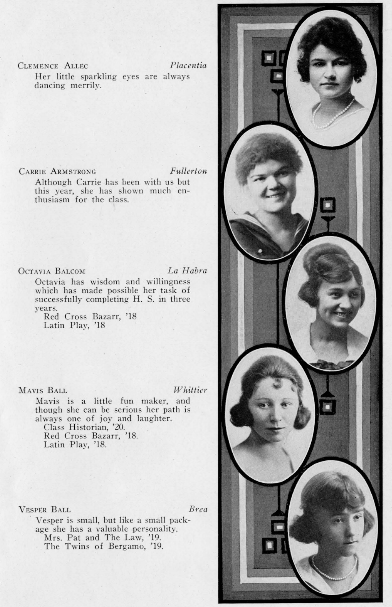
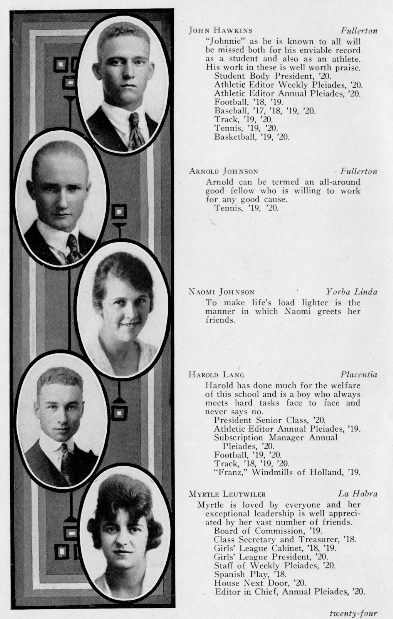







Stay tuned for snapshots from Pleiades yearbooks during the 1920s.
 Fullerton History
Leave a comment